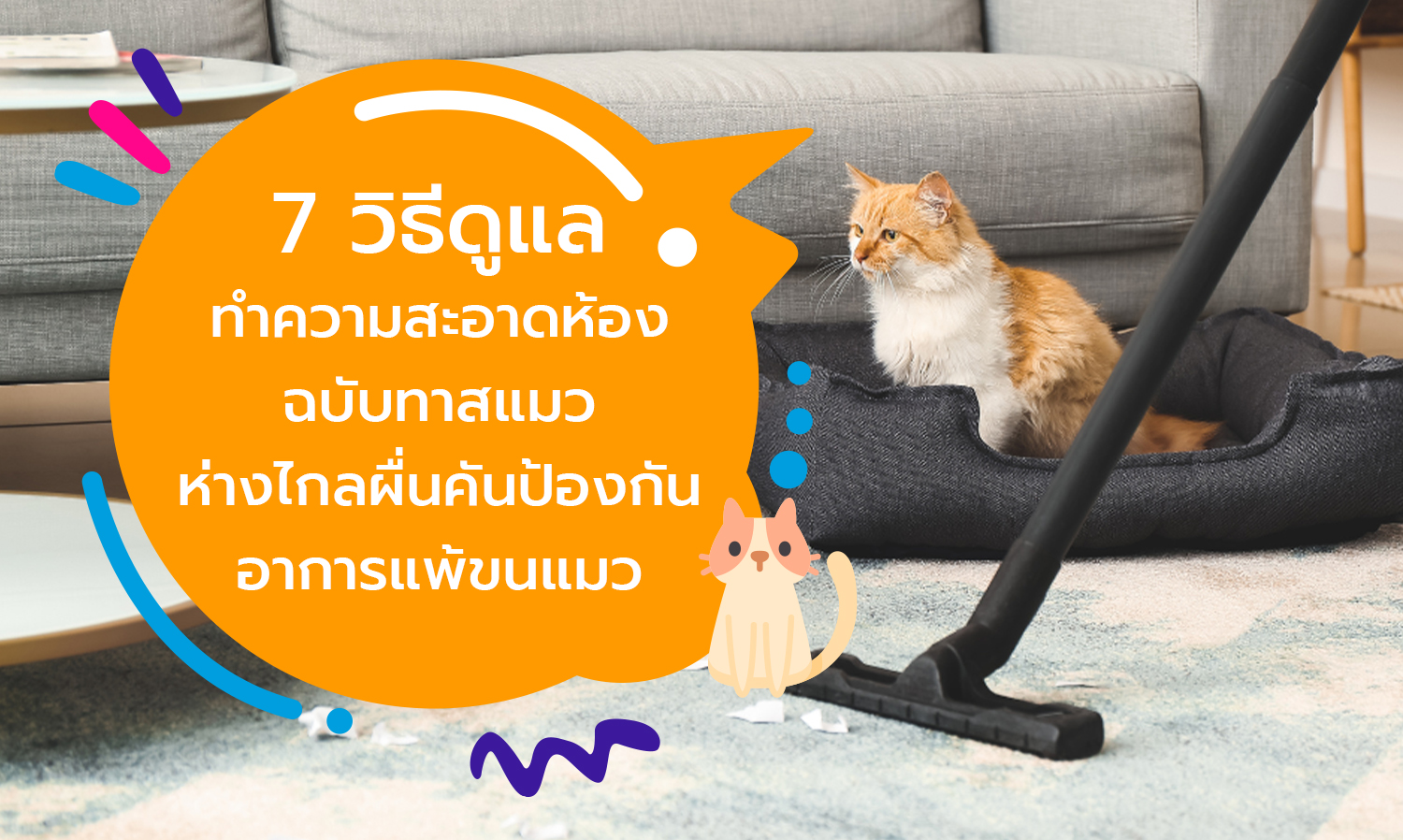
7 Ways to Clean Your Room as a Cat Owner to Prevent Allergies and Skin Irritations
Cat allergies or pet dander allergies are among the biggest challenges for animal lovers, especially for cat owners who, despite their love for their furry friends, often struggle to spend extended time with them. Allergic reactions can significantly impact daily life, as allergens come not only from fur but also from saliva, dust, and mites that cling to the animals. For cat owners or those planning to adopt a cat and wondering if they have cat allergies or looking for ways to prevent them, here are some simple methods to check for symptoms and prevent allergies.
What Are the Symptoms of Cat Allergies?
Common symptoms of pet dander allergies vary depending on the severity of the individual's reaction and can affect the respiratory system, skin, and eyes, including:
● Difficulty breathing
● Coughing, sneezing, nasal congestion, runny nose
● Throat irritation with mucus
● Inflammation, itching, or swelling around the nose and eyes
● Rashes appearing on the face, neck, or upper chest
In some cases, individuals may experience severe reactions immediately after close contact with a cat. Additionally, pet dander allergies can lead to long-term health issues, increasing the risk of asthma, which directly affects breathing and can cause wheezing or chest tightness.
Prevent Cat Allergies with These 7 Simple Room Cleaning Tips
For those who love pets, the desire to keep them often outweighs allergy concerns. This article presents 7 cleaning tips for cat owners that can help prevent allergies and skin irritations, allowing for a happier coexistence with pets.
1. Regularly Clean Your Room
Cat owners should consistently maintain a clean living space by vacuuming, washing fans, changing bed linens, and pillowcases—common dust collectors—at least once a week. Additionally, regularly changing or cleaning air filters and pet toys will help reduce the accumulation of cat hair, bacteria, and allergens in the room.
2. Choose Non-Dust and Non-Hair Collecting Furniture
If your room contains furniture or decor made from fabric, faux fur, or thick carpets, these can be excellent traps for pet hair, dust, and bacteria. It’s advisable for cat owners to select furniture and decor with smooth surfaces that are easy to clean, such as leather, wood, plastic, or stainless steel, to prevent the spread of germs and protect the health of residents.
3. Clearly Define Zones
For those who are allergic or sensitive to cat dander, clearly separating the bedroom or designated cat areas from living spaces can help reduce allergy risks. Areas where cats sleep or play often have shedding fur, bacteria, and dust, which can be inhaled and accumulate in the body, increasing the likelihood of allergic reactions.
4. Bathe Your Cat Regularly
After cleaning the room, cat owners should also regularly brush and bathe their cats to reduce shedding and remove dandruff from their pets. Bathing also allows for closer interaction with the pet and makes it easier to check for any dirt or injuries that may need immediate attention.
5. Wash Your Hands After Playing with Your Cat
Did you know that cat fur, skin, sebaceous glands, and saliva are the most common sources of allergens? After touching or playing with a cat, many people experience sneezing, itchy noses, coughing, or rashes. Therefore, it’s essential to wash hands thoroughly after contact. Those with allergies should avoid hugging or cuddling with cats as much as possible, as allergens can cling to clothing or other body parts, leading to severe allergic reactions.
6. Exercise Regularly
In addition to maintaining a clean living environment and caring for your cat, taking care of your health from within is also important. Regular exercise boosts immunity and strengthens the body. Aim for at least 150 minutes of exercise per week to ensure efficient lung function and improve respiratory health, making it less likely to develop allergies.
7. Use an Air Purifier
Many may not realize that using an air purifier can be a highly beneficial tool, especially for those with cat allergies. Controlling the air quality and environment at home is crucial. Households with pets should consider air purifiers with HEPA filters, which trap allergens and effectively capture small particles from cat hair, dust, bacteria, and unwanted germs. Additionally, air purifiers often have odor filters that help eliminate unpleasant smells from pets.
Caring for your beloved pets brings joy to many, but it’s essential not to neglect cleanliness in your living space and your health. We hope these 7 tips will help cat owners stay allergy-free and enjoy a happy, healthy life with their furry companions.