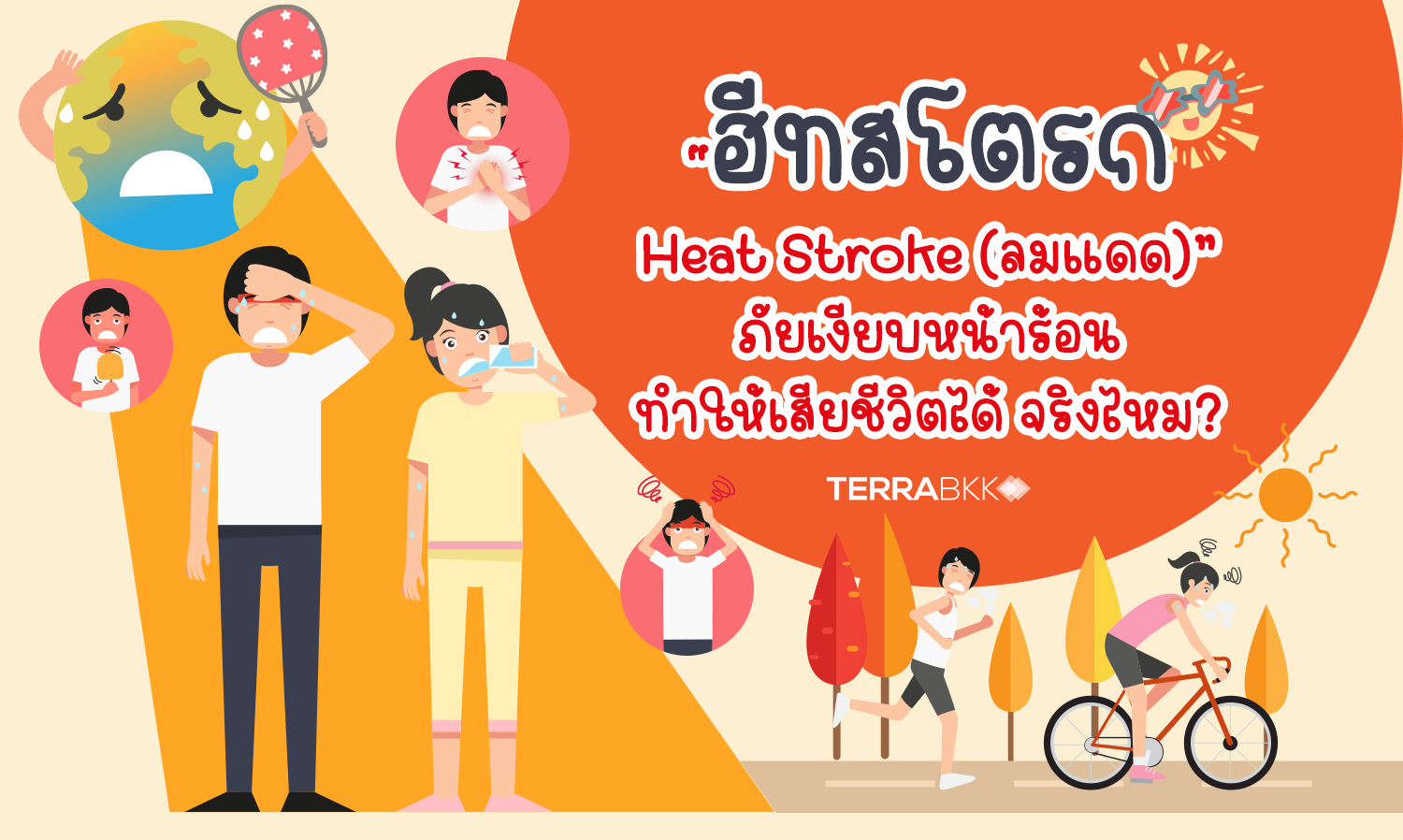
Heat Stroke: A Silent Danger in Summer That Can Be Fatal - Is It True?
As Thailand officially enters the summer season, extreme heat can prevent the body from dissipating heat, leading to a condition known as "heat stroke" or heat stroke (Heat Stroke), which can be severe enough to cause death. This is particularly true for individuals with pre-existing health conditions or vulnerable groups such as children and the elderly, especially if they do not receive timely assistance.

Dr. Annach Chiarakorn, a cardiologist at Rama 9 Hospital, explains that heat stroke occurs when the body is exposed to excessively high temperatures, which can affect the brain, potentially causing seizures or loss of consciousness. If a person experiences seizures or loses consciousness and does not receive fluids or immediate cooling, it can lead to death.
Individuals at risk for heat stroke are primarily those with heart conditions, children, the elderly, and those with multiple pre-existing conditions requiring various medications. Prolonged exposure to extreme heat increases the risk of heat stroke and the likelihood of death. Additionally, it can affect outdoor workers who are continuously exposed to high temperatures, such as farmers, police officers, and soldiers.

Athletes, such as marathon runners, who encounter high temperatures or humidity may struggle to sweat effectively. Race car drivers may also be at risk due to wearing fire-resistant suits that retain heat, especially in confined spaces. However, even healthy individuals can experience heat stroke if exposed to extreme temperatures for extended periods without adequate ventilation.
Dr. Annach further advises that if you encounter someone exhibiting symptoms of heat stroke, you can provide initial assistance by:
- Moving the person out of the high-temperature environment, such as to a shaded area, and removing as much clothing as possible to facilitate heat dissipation.
- Finding water, cold wet cloths, or ice to apply to the body.
- If the patient is conscious, encourage them to drink plenty of water. If there are first responders nearby, such as an ambulance, they should administer IV fluids to help lower body temperature, as excessively high body temperatures can trigger arrhythmias and lead to death, particularly in those with pre-existing heart conditions.
To prevent heat stroke when in extremely high temperatures, it is essential to stay hydrated, wear breathable clothing, and take breaks in well-ventilated areas every hour if exposed to heat for extended periods.
Regardless of whether one has pre-existing health conditions, it is advisable to avoid prolonged exposure to extreme heat for more than one hour and to refrain from wearing thick clothing that hinders ventilation to minimize the risk of heat-related illnesses,” Dr. Annach concluded.
For more information on various health conditions and to consult with specialized medical professionals, visit our website: www.praram9.com / Line: lin.ee/vR9xrQs or @praram9hospital, and on Facebook: Praram9 Hospital. Call 1270 or consult with a specialist through Praram 9 V for telemedicine services via video call at https://lin.ee/euA1bAc. Rama 9 Hospital - HEALTHCARE YOU CAN TRUST. For health matters... trust us. #Praram9Hospital