Transforming Shipping Containers into Mobile Hotels
By Pusani Sa Kanjanasorn
This article is part of the course RD417 Architectural Theories and Concepts 3
As everyone knows, the primary function of shipping containers is to store goods for transportation, whether by land or sea. Shipping containers are indeed a vital component in the logistics industry. After 20-30 years of use, these containers are often retired, with over 1 million containers discarded each year. If left unused, these containers will simply become scrap metal and be wasted.
Let's explore what can be done with unused shipping containers!
Today, shipping containers have become a popular choice for building homes, offices, coffee shops, resorts, worker accommodations, and even swimming pools. However, shipping containers can be much more than that!
The company Sleeping Around in Belgium has transformed shipping containers into a new type of hotel room known as a “mobile hotel”, catering to travelers who want to explore but cannot find hotels or set up tents. This concept is based on the “Pop up” model, which is commonly used for events, exhibitions, and other temporary setups. By combining this idea with hotels, they have created a “mobile hotel” that offers diverse travel experiences through shipping containers, generating a nightly revenue of €149, or approximately 5,400 THB.
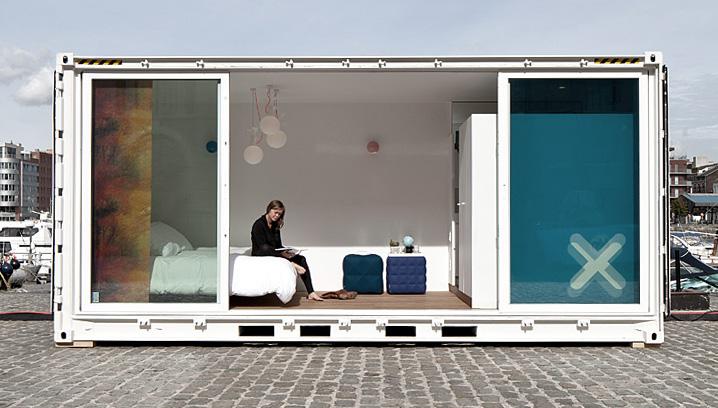
Image from https://www.designboom.com/architecture/sleeping-around-mobile-shipping-container-hotel/
Sleeping Around Hotel consists of seven 20-foot shipping containers, featuring a communal area for breakfast, a lounge, a sauna, a kitchen, and each room is equipped with a bed, an en-suite bathroom, and other amenities similar to a standard hotel. Additionally, Sleeping Around Hotel has its own water system and utilizes solar or wind energy, making it an environmentally friendly and sustainable building.
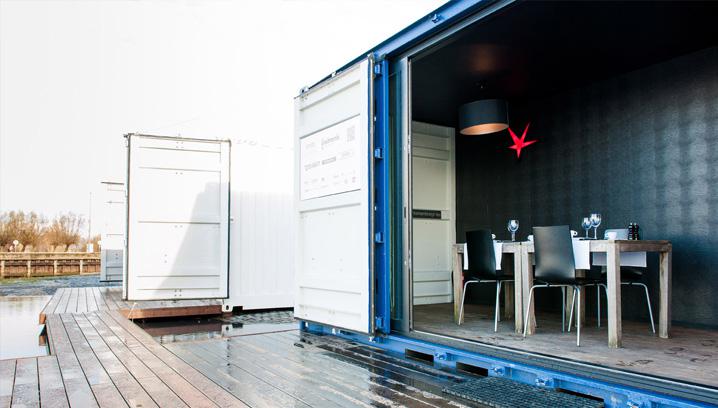
Image from https://www.designboom.com/architecture/sleeping-around-mobile-shipping-container-hotel/
At night, this container transforms into a lounge area
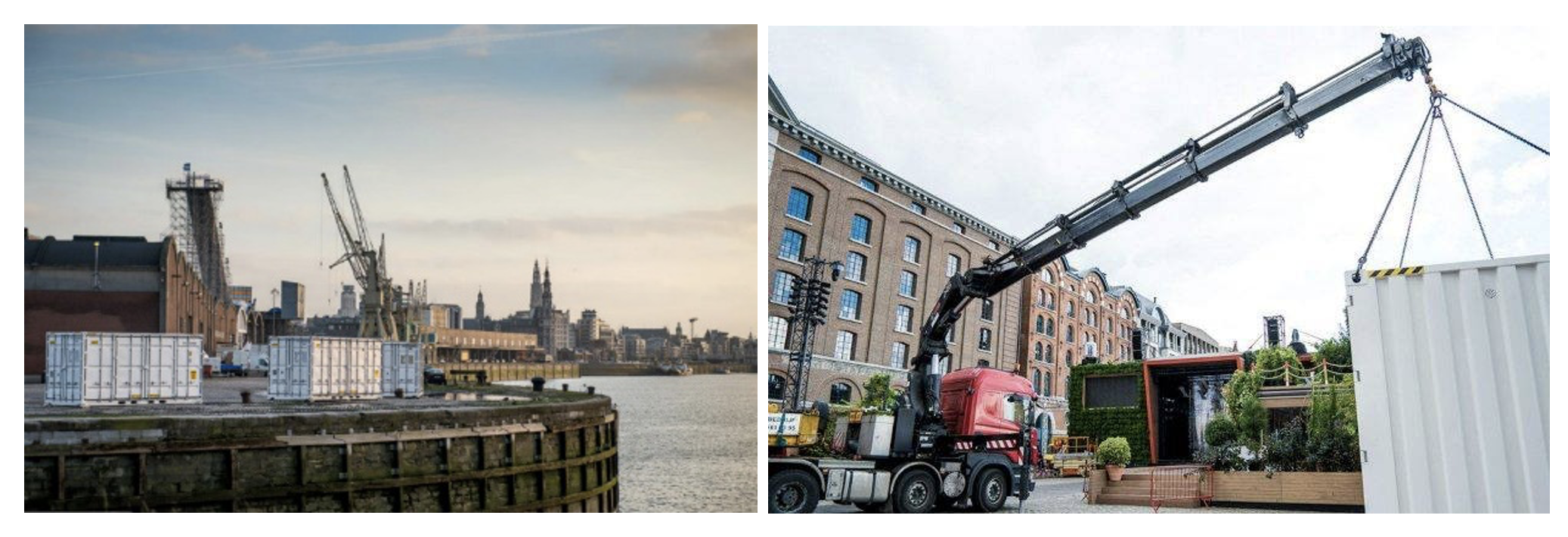
Image from https://www.designboom.com/architecture/sleeping-around-mobile-shipping-container-hotel/
Guests can access the interior within 5 hours after the container arrives
Another example is Scandic To Go, a mobile hotel from Sweden that adapts shipping containers into hotels that can be relocated to various locations as per customer requests throughout Sweden and southern Norway. Scandic "To Go" also assists customers in selecting suitable locations for relaxation. However, there is a limitation that the site must be accessible by car or boat, generating a nightly revenue of 1,400 - 1,700 Swedish Krona, or approximately 4,600-5,600 THB.
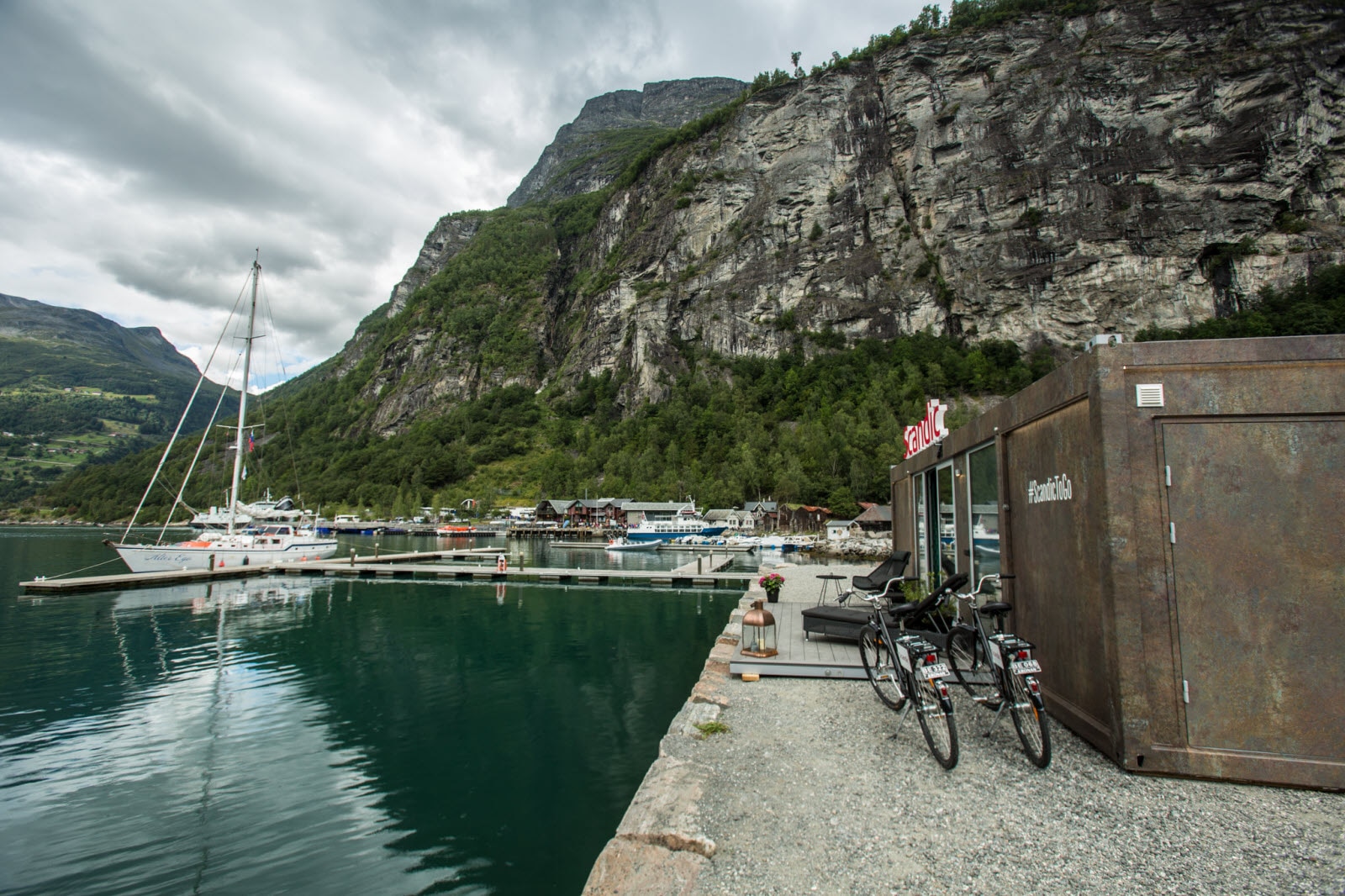
Image from https://www.scandichotels.com/landing-pages/scandic-to-go?_ga=1.161536380.1599622971.1464091463
Geiranger, Norway
Inside a 20-foot shipping container, a room of 18 square meters can be created, equipped with all necessary amenities including a large bed, an en-suite bathroom, waste separation bins, a viewing balcony, a generator, free WiFi, and breakfast every morning.
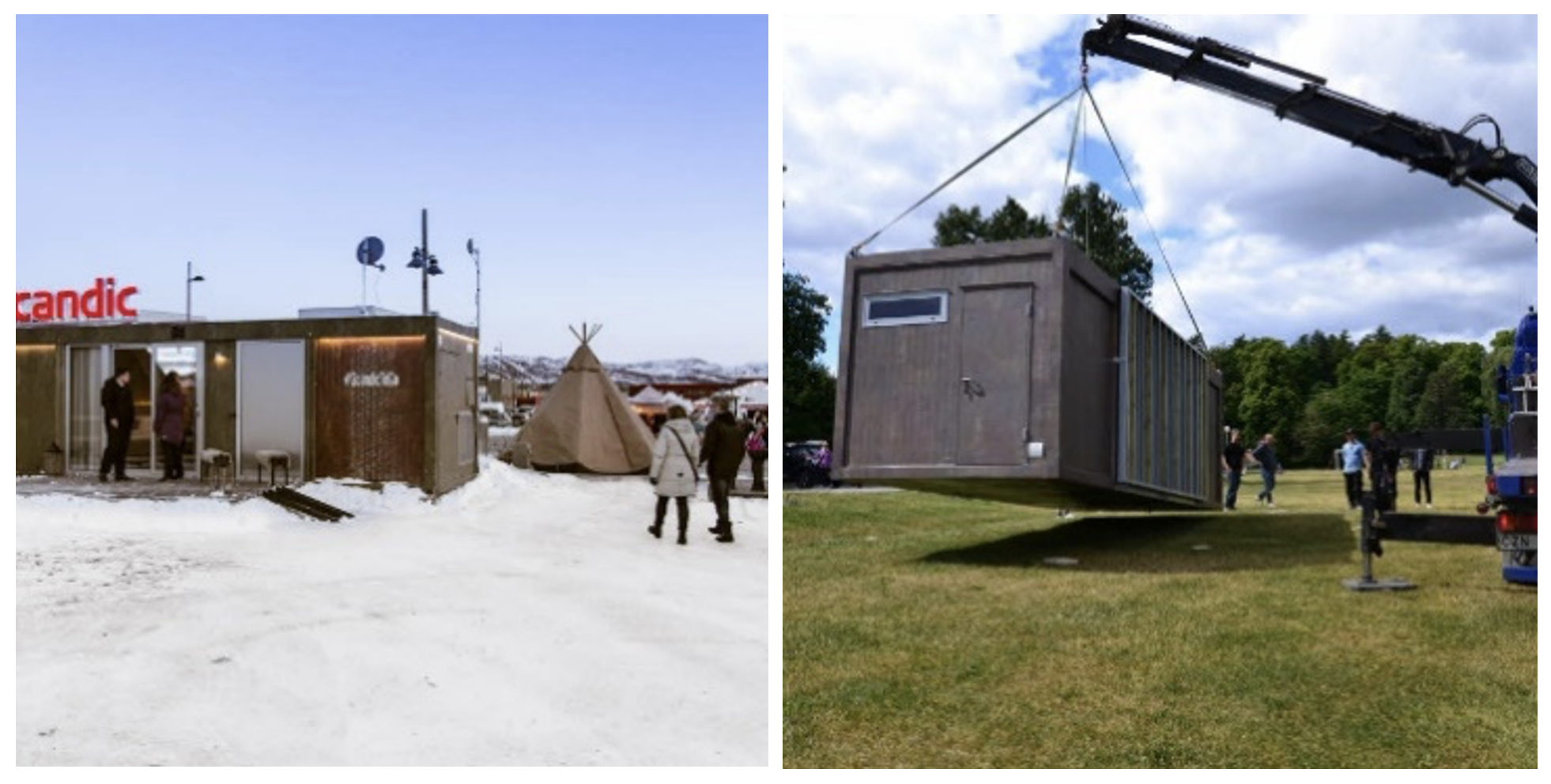
Image from https://www.scandichotels.com/landing-pages/scandic-to-go/previous-destinations2
Alta, Norway Hangaparken, Sweden
What if Thailand had mobile hotel services like this?
When thinking of mobile hotels in Thailand, one might consider the popular “motorhomes” that are currently in vogue. The clear advantage of motorhomes over shipping containers is that we can drive them to various locations ourselves, with many types and sizes available. However, before use, we must check the vehicle's condition, and certain types may require specific driving licenses. In contrast, a mobile hotel made from shipping containers provides the feeling of staying in a hotel, with high safety and no worries about running out of fuel. However, there are limitations regarding transportation and installation.
The issue of insufficient accommodation is a common challenge faced by hotel or resort operators in Thailand, especially during peak tourist seasons or significant events such as major music festivals like Big Mountain, which attracts over 80,000 attendees, or the Moto GP, which sees an average of 75,000 spectators daily. However, local accommodations may not be sufficient. Having mobile hotels available during such times not only ensures that event attendees have adequate lodging but also opens opportunities for hotel businesses or those with vacant spaces near events to generate income from these occurrences. This elevates the hotel experience to another level.
Source: https://www.designboom.com/architecture/sleeping-around-mobile-shipping-container-hotel/
https://www.scandichotels.com/landing-pages/scandic-to-go?_ga=1.161536380.1599622971.1464091463