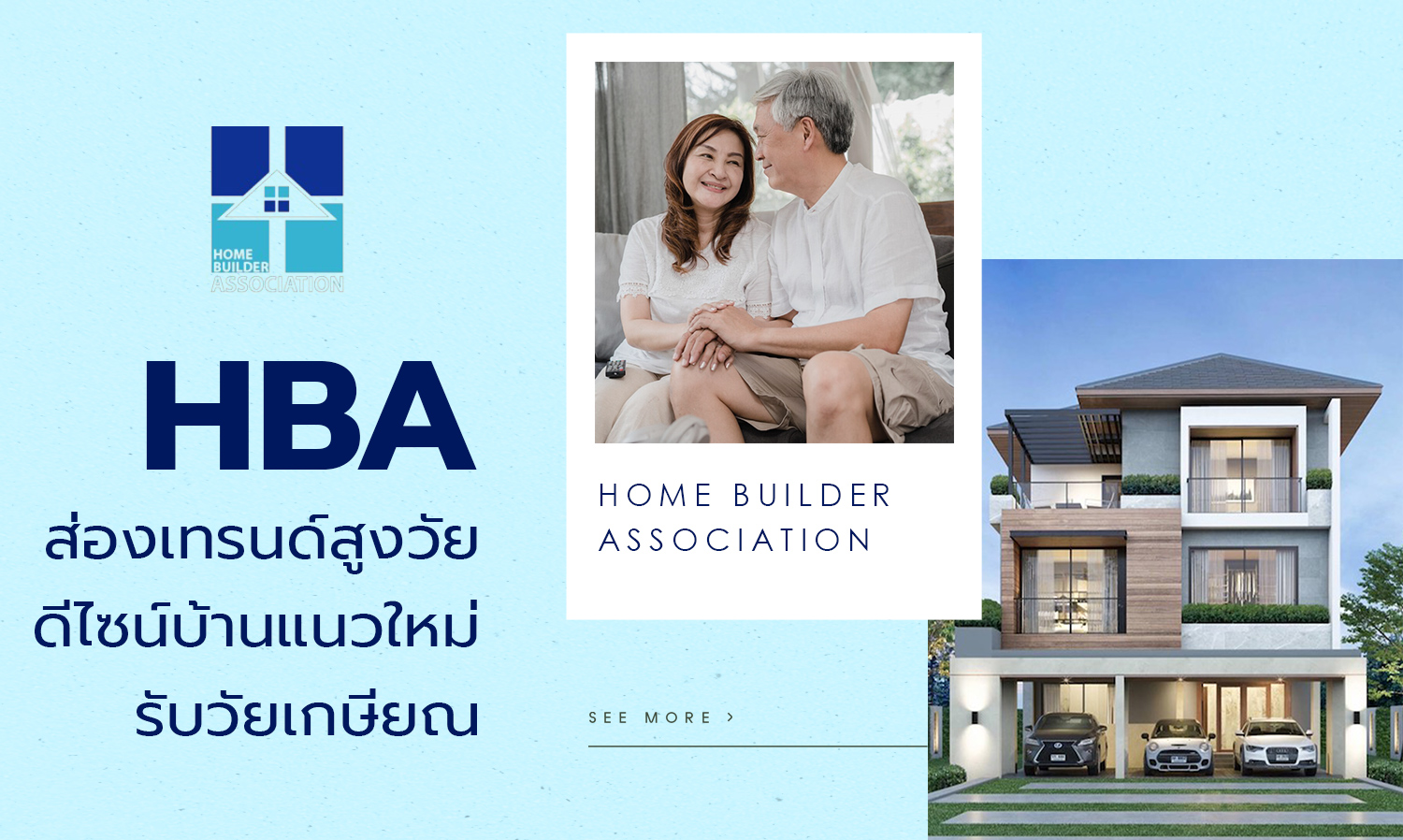
HBA Highlights Trends for the Elderly: New Home Designs for Retirement
Did you know that Thailand officially entered an aging society in 2022, and by 2030, it is projected that the elderly population will account for 26.9% of the total population?
With the global birth rate declining and life expectancy increasing due to health trends and medical advancements, individuals born during the Baby Boom era (1946-1964) are now entering old age. On a national level, preparations are being made in various sectors, such as public health, while at the family level, what grandchildren can do best is to ensure a healthy diet and provide living spaces that are truly suitable for their elderly family members.
What kind of home creates a good quality of life for the elderly and brings happiness? The Home Builder Association (HBA) will share experiences and positive stories with every family. The needs of grandparents are simple; they desire to be with their grandchildren, surrounded by nature, breathing fresh air in the morning, and enjoying shaded areas to relax in the afternoon.
“Having a good quality of life involves not only the environment but also designing living spaces that prioritize safety and happiness. This is crucial, especially since elderly individuals aged 65 and above face a higher risk of falls and accidents as they age. Common areas where falls occur include bedrooms and bathrooms. Therefore, the new trend in elderly living must consider both the physical and mental well-being of seniors to ensure their happiness, such as creating spaces for pet activities,” said Mr. Worawut Kanjanakul, President of the Home Builder Association.
To prevent accidents at home among the elderly, every household can adapt their spaces using the principle of Universal Design, which focuses on five key areas that can be implemented to modify living spaces for beloved seniors.
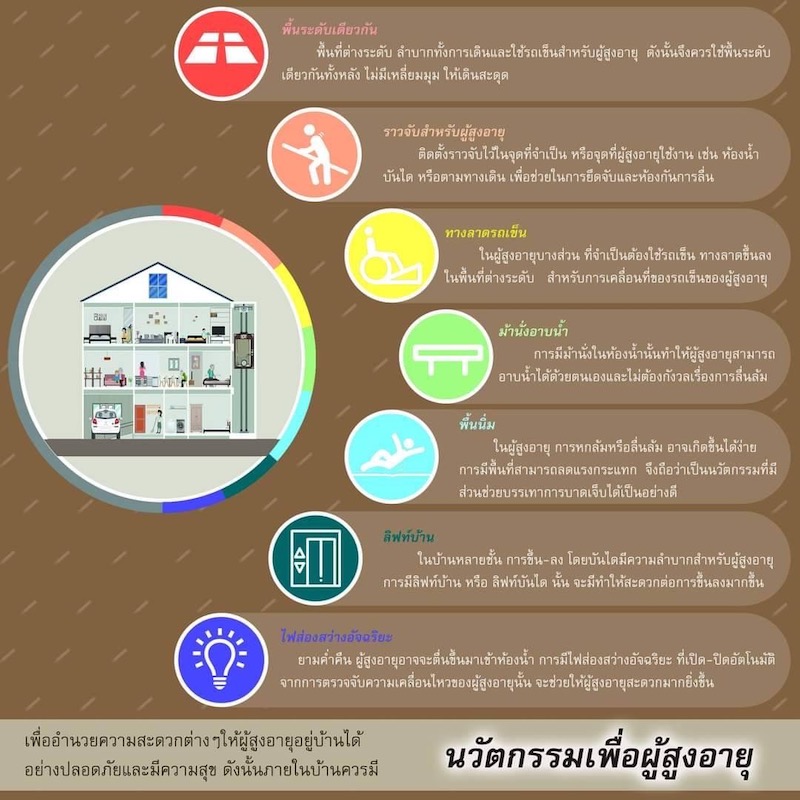
1. Safety: Ensuring safety to reduce the risk of falls.
2. Ease of Use: Equipment should be easy to use, convenient, and require minimal effort.
3. Eligibility: Design should be appropriate for the physical condition and limitations of each individual.
4. Accessibility: Organizing spaces and equipment to facilitate movement or walking.
5. Stimulation: Revitalizing life through environmental design.
Bedroom
When designing a bedroom for the elderly, use materials that reduce impact on the floor and avoid uneven surfaces to prevent tripping and falling.
Choose a bed size suitable for the elderly, adjustable in height, with side rails. The mattress should not be too hard or too soft, and ensure there is space beside the bed for wheelchair access. Furniture should include a bedside table for easy access, and wardrobes and shelves should be at a height appropriate for the user.
In the bedroom, install grab bars in areas where the elderly may sit or stand, along with smart lighting that can turn on and off automatically. A motion detection system should be in place from the bed to the bathroom, and sliding doors with an overhead track system should be used for ease of use.
Bathroom
The bathroom should be at least 200 centimeters wide to accommodate a wheelchair, with designated areas for safety. In the dry zone, use wall-mounted sinks that can support the weight of the elderly. The toilet should be a standard height for easy sitting and standing, with grab bars installed beside it.
In the wet zone, choose a shower seat that is appropriately sized and sturdy enough to support weight. The showerhead should be adjustable in height, and a temperature control valve should be installed, along with grab bars in the shower area to prevent slipping.
It is essential to use floor tiles with a slip resistance rating of R10 or higher to prevent falls, including the installation of grab bars, especially in the shower area.
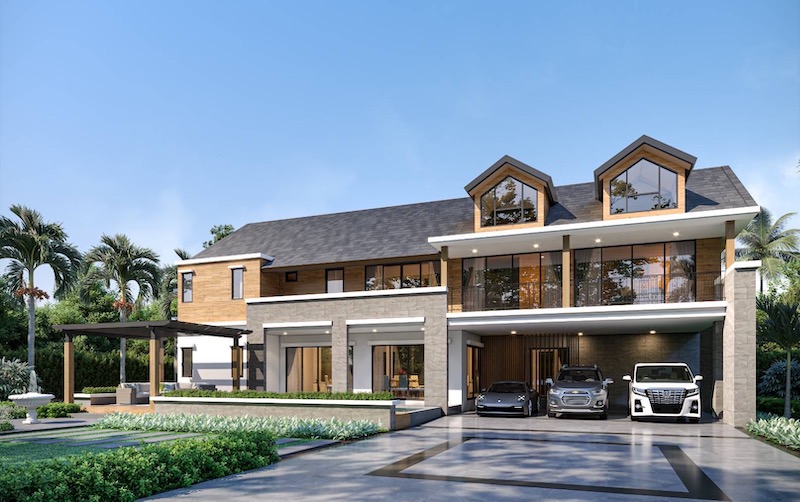
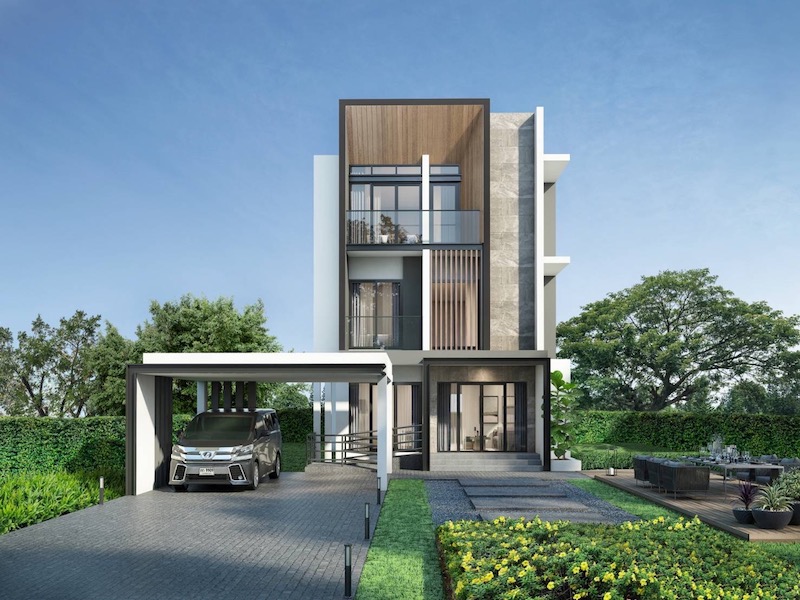
Moreover, when building and designing homes with new concepts for your loved ones, attention must be paid to various aspects, including minimizing obstacles on the floor, designing wider entrance doors to accommodate wheelchair use during regular and emergency situations, ensuring adequate lighting both day and night, and installing grab bars for the safety of elderly individuals.
References
National Statistical Office
SCG