Essential Checklist for Building a New Home: How to Choose Wisely to Keep Your Home Cool, Comfortable, and Cost-Effective in the Long Run
Have you ever thought about where to start when building a new house? Some people might begin by searching for their dream home design on design websites or home decor magazines for inspiration, then imagine whether it aligns with what they truly want.
It's undeniable that finding your dream home design is crucial because when you're building a house, you want it to be as perfect as possible, beautiful in your preferred style. However, beyond aesthetics, it must also be cost-effective for your budget. Don't forget to consider the overall context and elements of the house that will enhance its livability.
Investing in a new home is a long-term investment that pays off. A house will be with you for many years unless you decide to renovate it. Therefore, making your home comfortable should be a top priority. This means creating a space that is cool and not stiflingly hot, preventing excessive electricity bills. So, what aspects can help solve these issues?
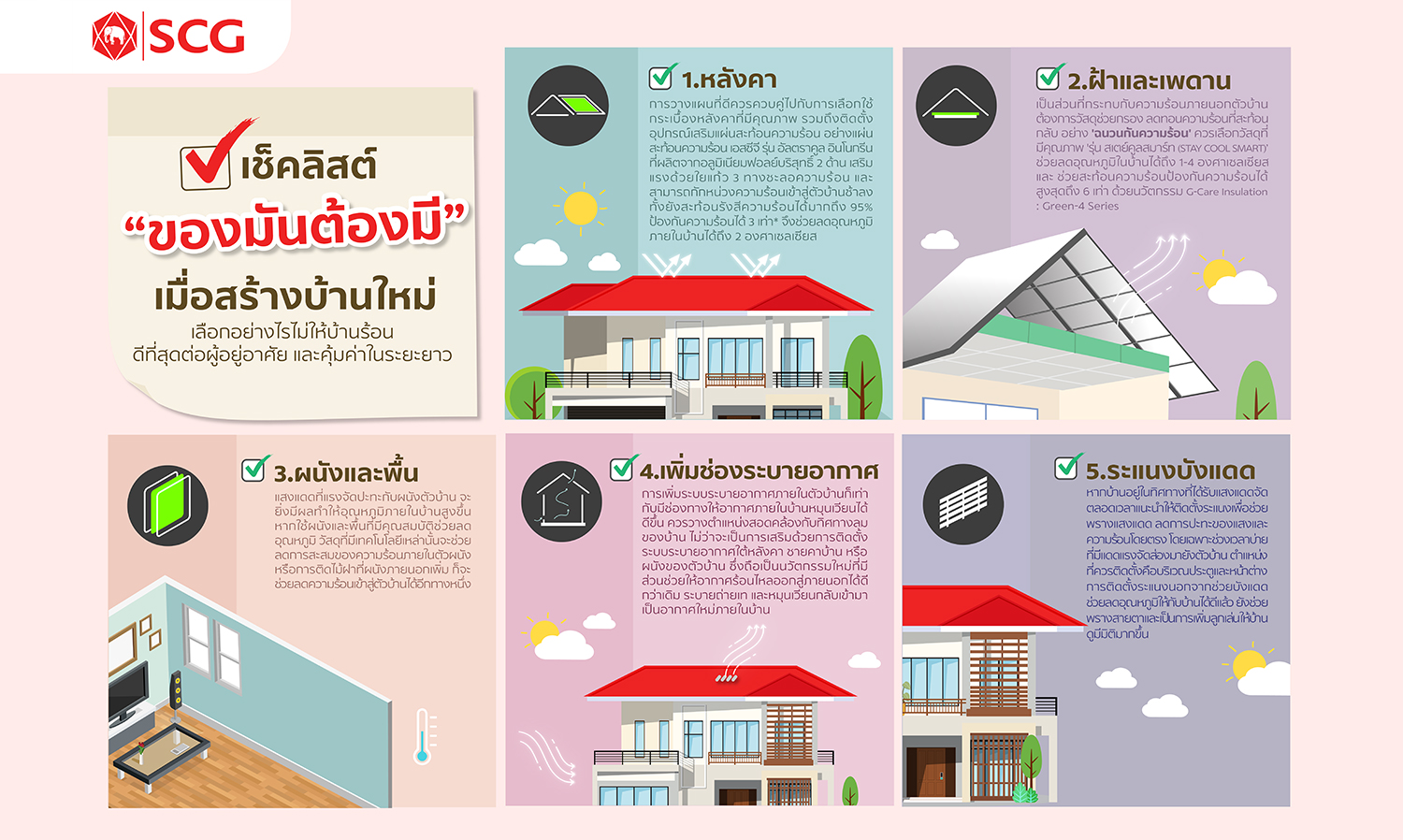
1. Roof
The roof is the first barrier against external heat before it enters the house. It acts like a large umbrella, shielding the home from sun and rain. Many people might overlook the roof, thinking it’s not as important as other parts of the house. However, the roof is where heat accumulates the most, so it’s essential to pay attention and plan well from the start. Choosing the right roofing materials and heat-reflective sheets is crucial for reducing temperature and making the home more comfortable.
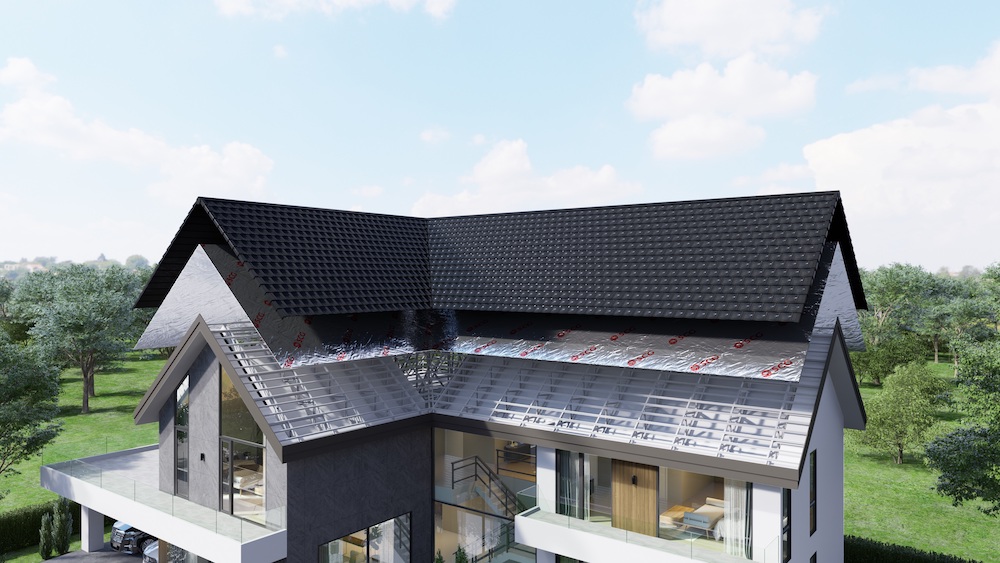
A good plan should go hand in hand with selecting quality roofing tiles and installing effective heat-reflective materials, such as SCG's Ultra Cool Inno Green heat-reflective sheets made from pure aluminum foil on both sides, reinforced with fiberglass. These sheets not only delay heat entering the house through the roof but can also reflect up to 95% of heat radiation, preventing heat by up to three times* (*compared to standard heat-reflective sheets), thus reducing indoor temperatures by up to 2 degrees Celsius. Nowadays, many innovations have been developed to address the hot summer in Thailand, and choosing a qualified contractor is equally important. If you find a contractor lacking expertise or experience in roofing, you may face long-term issues such as sagging roofs, leaks, or damage, leading to endless repair costs.
2. Ceiling
The ceiling acts as a second layer of protection against heat in the house, supporting the roof. Often, we may budget for various parts of the house but forget about this area, which residents typically overlook. In reality, the ceiling significantly impacts the heat from outside, requiring materials that help filter and reduce heat reflecting back into the house. Without heat-filtering solutions in this area, external heat will directly enter the home, raising indoor temperatures significantly.
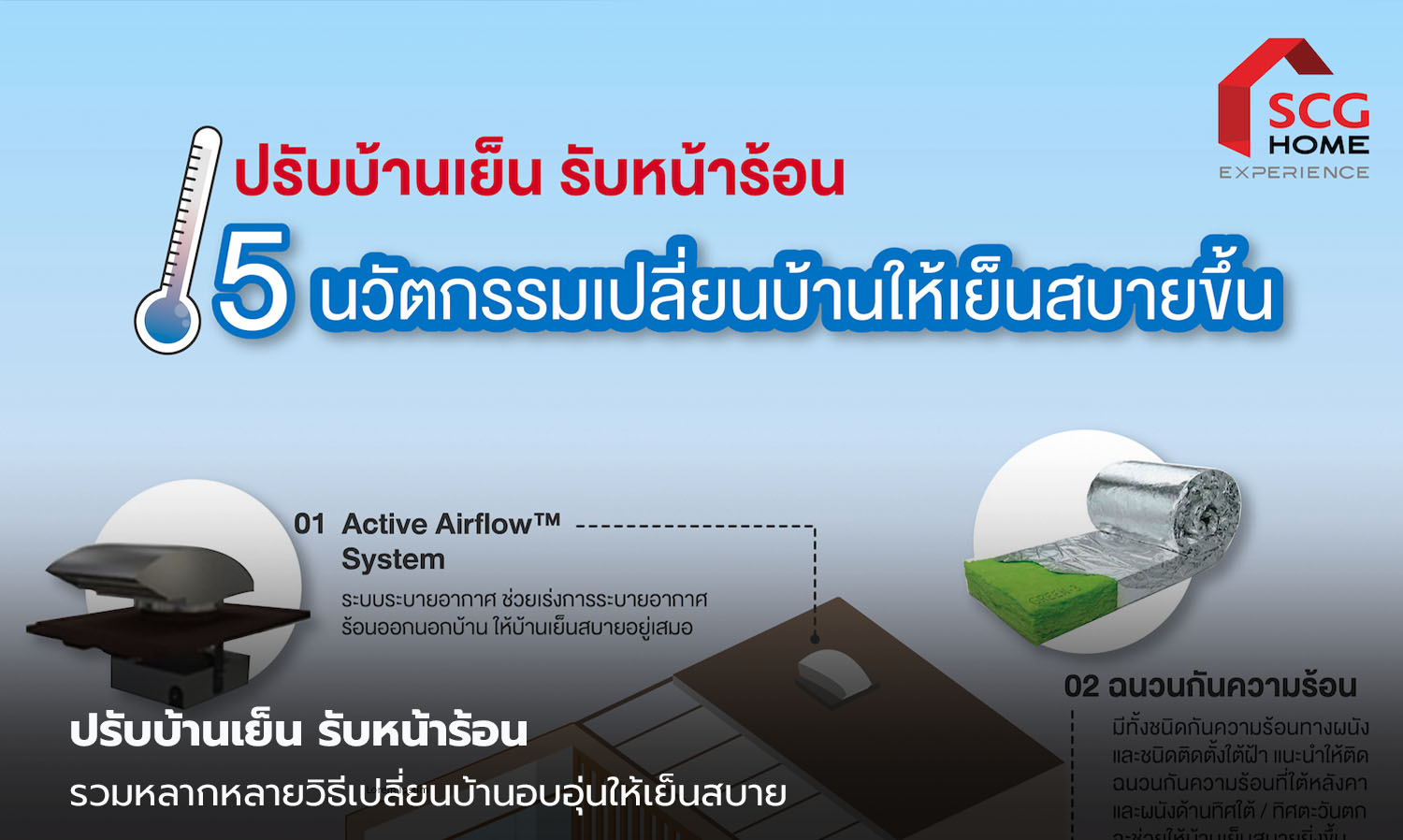
Thus, 'thermal insulation' is a necessary material, acting as a shield against external heat. It can prevent heat from transferring to other parts of the house. When installing thermal insulation, choose quality materials like SCG's Stay Cool Smart, which can reduce indoor temperatures by 1-4 degrees Celsius through dual protection, reflecting heat and providing up to six times the heat resistance with G-Care Insulation: Green-4 Series.
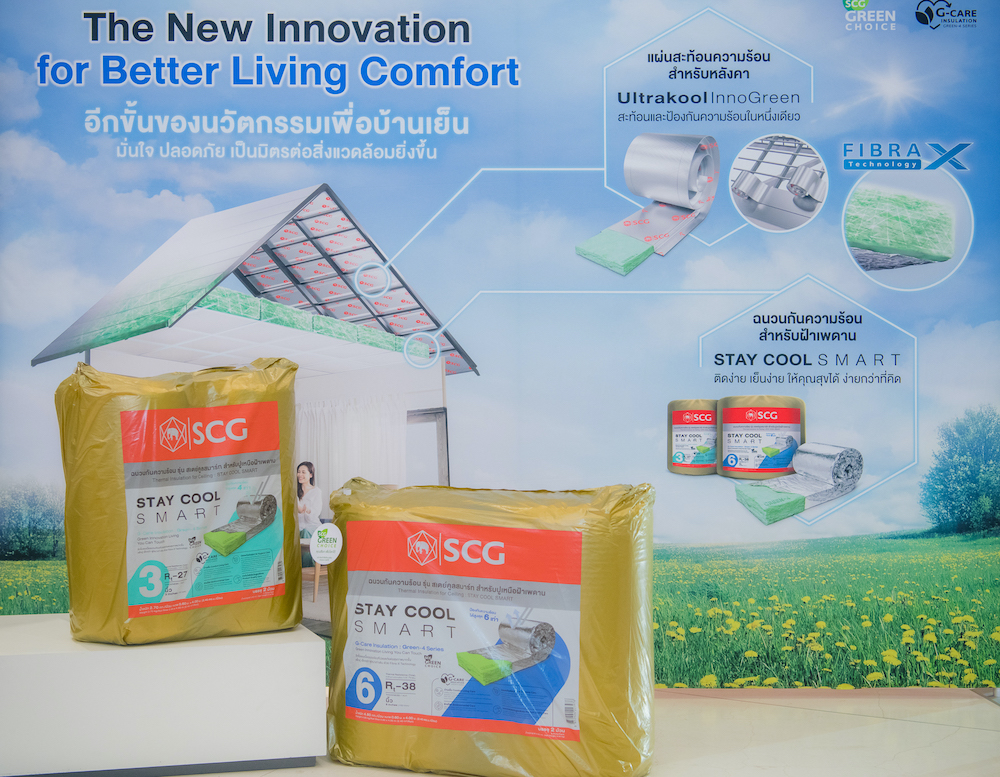
Additionally, the lightweight material is wrapped in durable aluminum foil, making it easy to move and safe for residents' health, as it contains low volatile organic compounds (VOCs) certified by health experts and the International Agency for Research on Cancer (IARC) of the World Health Organization (WHO), along with EUCEB (European Certification Board for Mineral Wool Products) standards for safety regarding fiber types. When entering the body, it can decompose naturally, ensuring health safety.
Moreover, installing thermal insulation is one of the easiest and most convenient solutions for hot homes, designed for easy installation in new builds, providing immediate cooling effects or even for older homes facing heat issues.
3. Walls and Floors
It’s clear that intense sunlight hitting the walls of the house will raise indoor temperatures. Even with air conditioning, the heat stored in the walls forces us to work harder to cool down, inevitably increasing electricity bills.
The more we use walls and floors with heat-reducing properties, the better. Materials with such technology will help reduce heat accumulation within the walls. Adding exterior wall cladding can also help reduce heat entering the house. Even when the sun is strong, and the air conditioning is on, you can maintain normal cooling temperatures without needing to increase cooling, which is a great way to save energy.
Furthermore, choosing materials that can insulate and reflect heat well, such as installing thermal insulation on west or south-facing walls, will help lower wall temperatures and improve the house's ability to combat heat. If the house can maintain a temperature 2-5 degrees cooler than the outside air, it can significantly save energy and reduce electricity costs.
4. Enhance Ventilation Systems
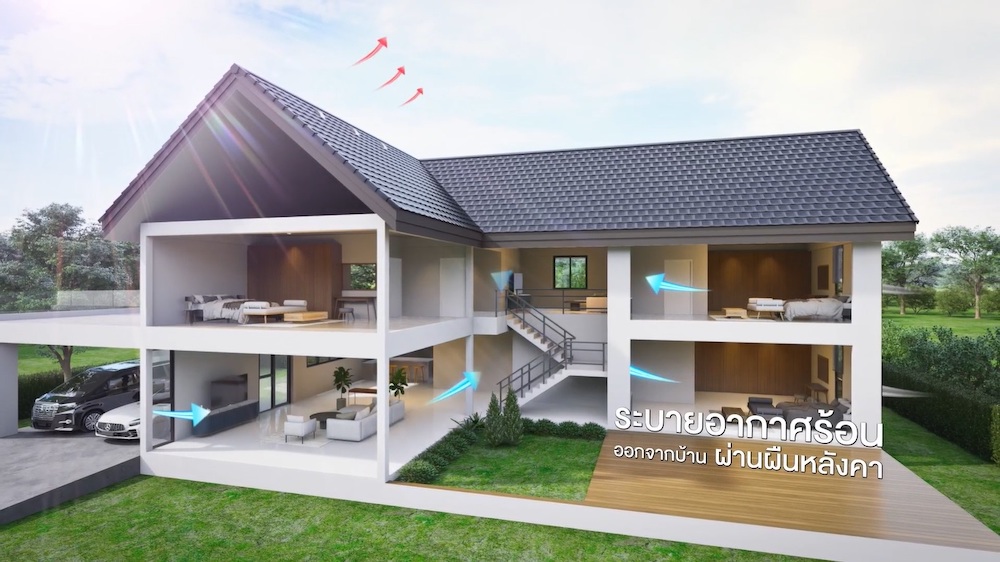
Adding ventilation systems within the house is another interesting solution for hot homes. More ventilation openings mean better air circulation inside the house, especially when strategically placing them according to the house's wind direction. This can include installing ventilation systems under the roof, eaves, or walls, which is an innovative solution to effectively address heat issues, allowing hot air to escape outside more efficiently and bringing in fresh air for residents' comfort.
5. Sunshade Louvers
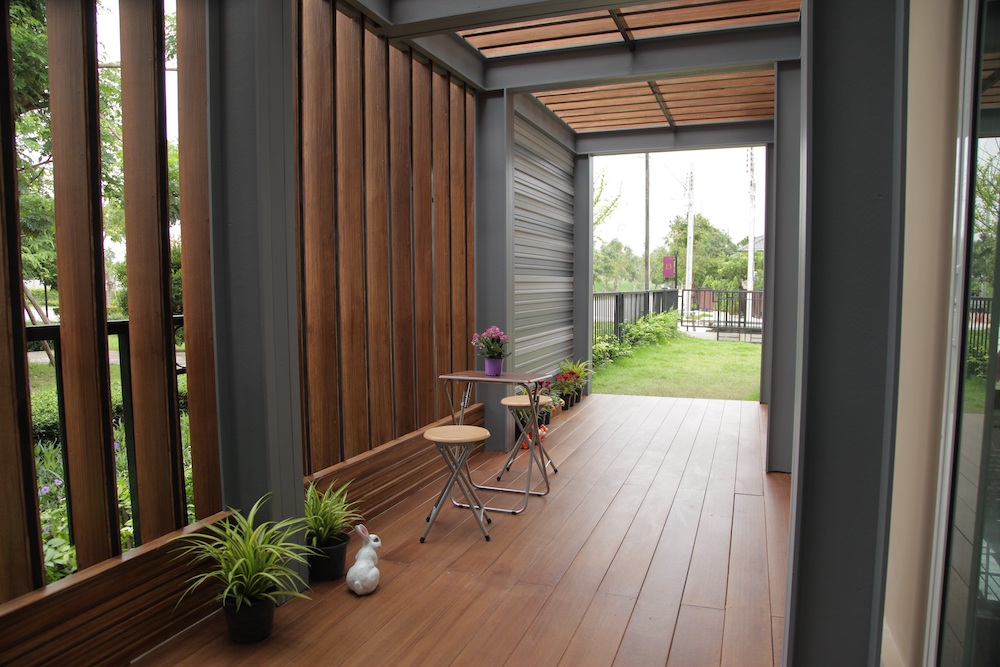
If your house faces direct sunlight all day, it’s advisable to install louvers to help block sunlight, reducing direct light and heat exposure, especially during the afternoon when the sun is strongest. The ideal installation locations are around doors and windows. Besides blocking sunlight and effectively lowering the house's temperature, louvers also provide privacy and add dimension to the house's appearance. There are many materials to choose from, including wood, metal, vinyl, or decorative patterns in beautiful colors, making it a unique design element for your home.
When it comes to 'home,' most people think deeply about various factors, including the quality of living, beautiful styles that reflect taste, and comprehensive functionality. It requires good planning and decision-making to choose quality products that are suitable and cost-effective for long-term use.
Additionally, creating a process for air circulation within the house will ensure a cool and comfortable environment while coping with Thailand's climate, all while prioritizing safety and the health of the residents.
How about that? You must be eager to start listing the essential items that will help keep your home cool and plan for building your new house, right?
For more details about “SCG Thermal Insulation,” click here: https://www.scgbuildingmaterials.com/th/product/thermal-insulation
For inquiries about products and services, contact SCG HOME Contact Center at 02-586-2222.