How to Inspect a Building Before Deciding to Buy
How to Inspect a Building Before Deciding to Buy
The most important aspect of choosing a second-hand home is the "condition of the house". Since it has been lived in, the condition may have deteriorated, especially for houses that have gone through lengthy legal processes. More importantly, we need to assess whether the "structure" is still strong. If there have been improper renovations, it could lead to future problems. There are three key areas to check and repair when inspecting the condition of a second-hand home according to the Academic Services Office of Burapha University.
1. Inspect the Exterior of the House
Check for signs of settling in the house by observing the parking area or washing area. Look for how rainwater from neighboring houses flows into yours during rainfall, the shade from surrounding trees, the size of the trees, and the root penetration system. These factors should be carefully inspected as they can cause damage to the house. The house should be situated at a higher level than the road to avoid flooding issues. Check neighboring buildings for any excavations or ponds that could lead to your house sinking. Inspect for roof leaks by observing any swelling in the ceiling and water stains. Try spraying water on the leaking area to see if it still leaks. Also, check the wall paint for any discoloration or swelling due to rainwater or moisture seeping into the walls.
2. Inspect the Internal Systems
Check for leaks in the plumbing system by inspecting the walls and floors of the bathroom. Turn off the water at all points and check the water meter. If the meter is still running, it may indicate that the components in the toilet tank are worn out and need replacement. If it continues to run, there may be a leak in the plumbing system. Check the electrical system by observing the condition of the wiring. If the insulation is cracked or damaged, the entire set should be replaced, and you might negotiate with the homeowner to assist with this.
3. Inspect the Structural Condition of the Building
Observe the overall structure of the house. Ensure that the floors, columns, and beams are not sagging or leaning to one side. Look for cracks in the beams and columns. If there are cracks in the concrete structure, it is advisable to call an engineer for a safety inspection. Check for cracks on the interior floors to see if they affect the building's structure. If it is a two-story house, it may be necessary to remove the ceiling to inspect thoroughly.
A Deep Dive into Inspecting the Structural Condition of a Second-Hand Home Before Deciding to Buy
1. Look for Signs of Renovation
To understand the history of renovations in the house, find out what changes have been made, such as adding a kitchen, a room, or a loft. Observe whether the renovations were done well or poorly. The easiest way to find signs of renovations is to ask the previous owner. If they are unsure, try to visualize what the original house should look like (you can compare it with neighboring houses) and look for parts that differ. Check the junctions between the old and new structures. Proper renovations should separate the old structure from the new one entirely. For example, if a room is added, it should be constructed as a separate building adjacent to the original, not integrated into it. Merging new structures with old ones can lead to uneven settling, which can cause significant damage. Therefore, pay attention to the junctions between the old and new structures, ensuring there are no cracks caused by tension between the two parts. Cracks resulting from uneven settling may be acceptable if the renovation was done correctly (see images). Ideally, there should be no cracks at all, but if there are, be aware that cracks can have various causes. Acceptable cracks are typically those resulting from material deterioration on the walls, as they can be repaired relatively easily. These cracks tend to be random and not in a continuous straight line. In contrast, cracks in the main structure, such as columns, beams, or long cracks on the walls, indicate potential problems. It is advisable to avoid such houses as they may be at risk of sinking or bearing excessive weight, or they may signal that the building is close to collapsing.
2. Observe the Building's Level Compared to the Road
Check if the ground level of the house is too low for the future, as the road will likely be raised over time. If you overlook this, future road elevation can become a complicated issue. Look for signs of ground elevation or filling. Remember that raising the ground by pouring concrete 10 cm thick will increase the weight on the building by 240 kg per square meter. If it exceeds this, the weight will increase further. Original residential buildings are typically designed to bear around 200 kg per square meter. If you significantly increase the weight on the house, consider the implications. Therefore, filling or raising the ground of the house should be carefully considered. Additionally, observe that second-hand homes in flood-prone areas often have elevated floors. Watch for improper use of the building, such as using it for storage, adding bathrooms on the original rooftop, or extending balconies into bedrooms. These modifications unintentionally add weight to the structure.
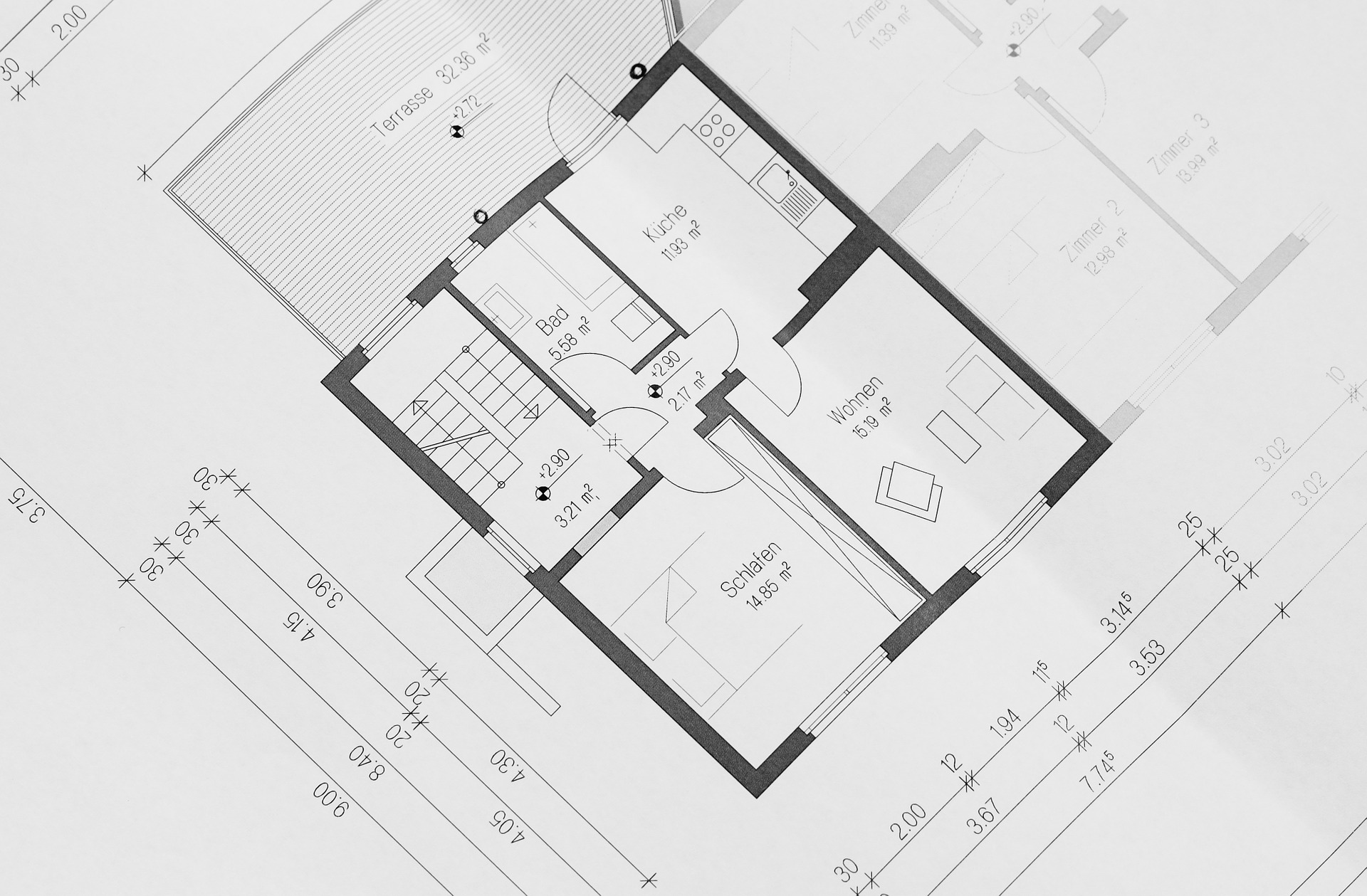
Therefore, if you are not an expert, it is advisable to seek assistance from someone knowledgeable in this area to help you choose a house. This will ensure the stability and strength of the building and aid in evaluating the house's price. Importantly, check the basic utilities within the house to see if they are in working condition or need repairs. Besides preparing cash or applying for a loan for repairs, this is crucial during the "price negotiation" process.