Minister of Loneliness: When Loneliness Needs a Government Official
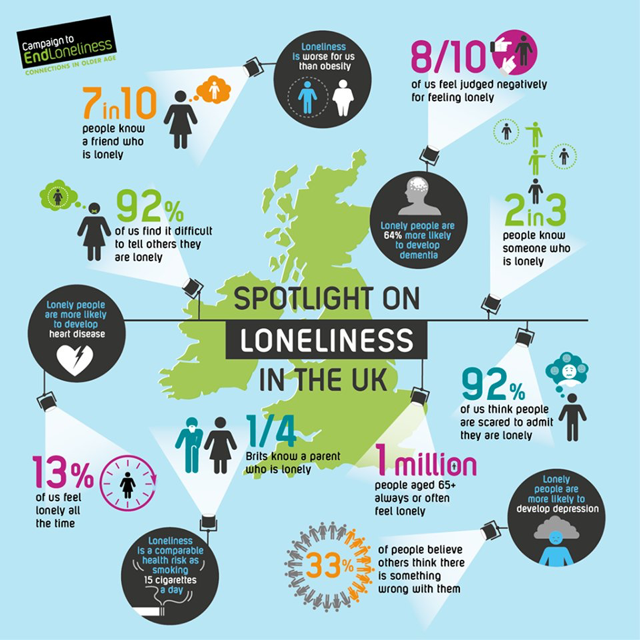
In today's world, social media is widely used, which on one hand makes it seem like we have many friends and followers. However, on the other hand, it has led to a significant number of people feeling isolated and alienated. This loneliness has escalated into a mental health issue, impacting society greatly. A report from the UK in 2017 found that over 9 million people, accounting for 13% of the total population, frequently or always experience feelings of loneliness. The main causes of loneliness in the UK stem from divorce, loss of loved ones, and lack of support. There are also issues of alienation in the workplace, causing some individuals to feel disconnected from their colleagues. As a response to these issues, then-Prime Minister Theresa May added the term 'Loneliness' to the title of the Minister of Sports and Civil Society, appointing Tracey Crouch to oversee the loneliness crisis in the UK. However, after only a few months in office, Tracey Crouch resigned due to disagreements over gambling legislation. The position then passed to Mims Davies, who initiated projects like LetsTalkLoneliness aimed at raising awareness and reducing the stigma associated with living in isolation, investing over one million pounds to support digital technologies that help people connect. Following a cabinet reshuffle in 2019, the role was taken over by Diana Barran.
Source: linkinglives.uk
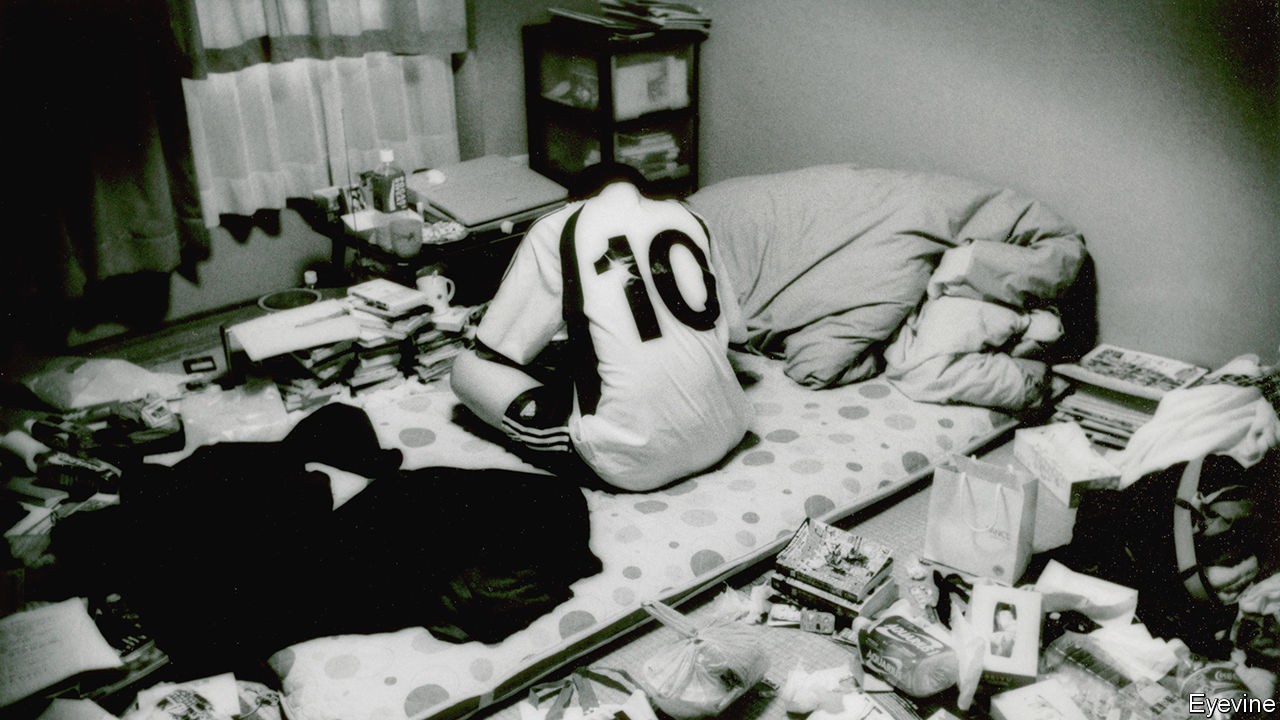
The issue of loneliness is not only significant in the UK. Recently, in February 2021, Japanese Prime Minister Yoshihide Suga announced the appointment of Tetsushi Sakamoto as a temporary Minister of Loneliness to help alleviate the isolation caused by the COVID-19 crisis in Japan. Over the years, Japan has made significant efforts to reduce the suicide rate, but in 2020, the number of suicides increased due to people enduring isolation from the COVID-19 lockdown. In Japanese society, there is a term for those who live in extreme solitude called Hikikomori, referring to individuals who stay confined to their homes and are at high risk of suicide. The primary role of the Minister of Loneliness is to create and promote activities that enhance social interaction.
Source: economist.com
The issue of increasing social interaction also influences the design of various spaces in the post-COVID-19 era. Whether in workplaces, shopping centers, or residential areas, there should be a greater emphasis on social spaces and activities. During the lockdown, many people had to stay at home, and going out to a mall became a way to meet others. Therefore, designing retail spaces to encourage social interaction not only provides opportunities for people to connect and relieve the stress of isolation but also allows them to create shared experiences both within their groups and with different areas of the venue. This can lead to increased time spent in stores or shopping centers, ultimately boosting spending within those establishments.
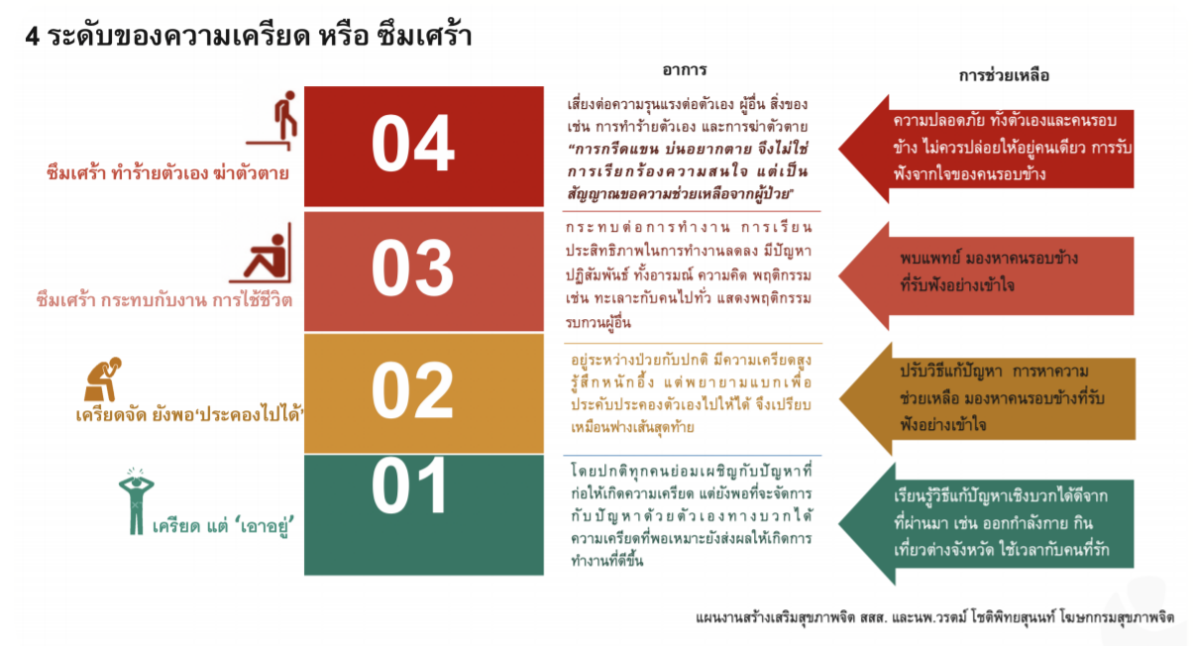
The number of patients suffering from loneliness-related illnesses continues to rise, regardless of the presence of COVID-19. The pandemic has merely accelerated the increase in cases. The Department of Mental Health and WHO estimated in 2017 that in Thailand, there are approximately 1.5 to 2.9 million people suffering from depression, which accounts for about 2-4% of the population. While this is relatively low compared to the figures in the UK or Japan, loneliness and depression are issues that cannot be overlooked, as they can affect both ourselves and those close to us. The COVID-19 crisis has also led to an increased likelihood of more cases. Therefore, we can help those suffering from depression by fostering relationships, communicating positively to encourage openness, and actively listening to what they have to say. Always thinking positively aligns with the principles of “3S” for preventing issues, as advised by the Department of Mental Health: Observe, Listen, and Connect. At the very least, we can help alleviate the symptoms for those feeling lonely, reducing the severity of their condition and building a stronger resilience against depression.