
Designing Buildings to Reduce Carbon Impact
It is undeniable that environmental pollution is a matter of great concern for many parties, and the issue of pollution is being integrated into operational and management strategies to minimize its impact, ideally to zero. When constructing buildings today, the amount of carbon emissions must be considered at every stage, starting from the design process. This has led to the concept of designing buildings to have the least possible Carbon Impact. In the article Impact by Design 2020 by Gensler, five design concepts for reducing Carbon Impact are proposed.
[1] Reuse
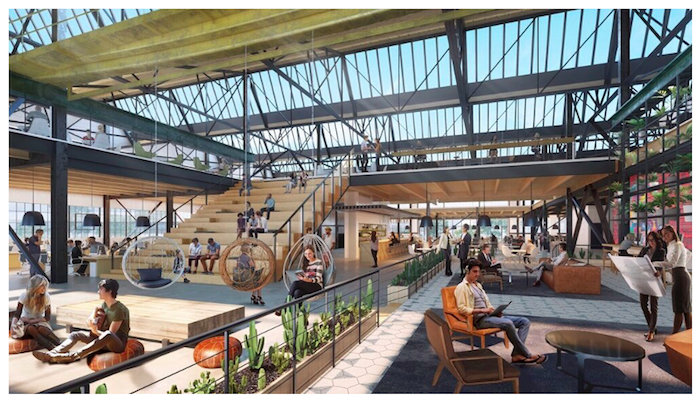
If the construction process of a building results in carbon emissions, the first concept for reducing Carbon Impact is to reuse existing buildings. This can significantly reduce carbon emissions from various construction processes, especially from demolishing buildings, which generates a lot of waste. Reusing existing buildings can extend their lifespan and preserve their historical significance. An example of this idea is the 888 North Douglas building in El Segundo, California, which transformed a warehouse and factory into office space while retaining the original structure.
Source: 888doughlas.com
[2] Size and Shape
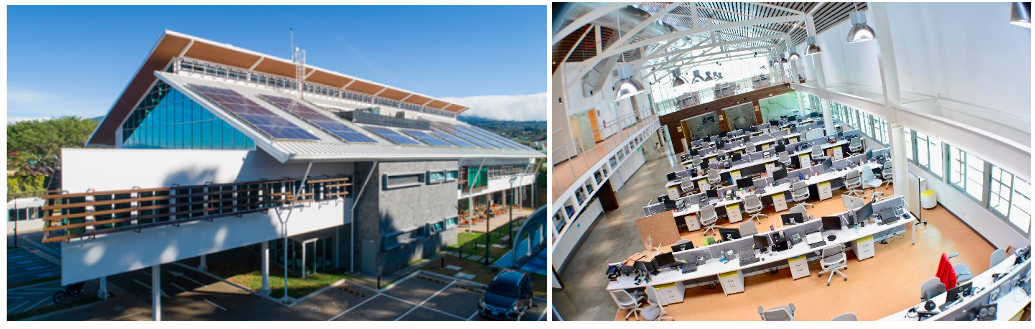
The size and shape of a building also affect its Carbon Impact. Proper building design can not only reduce Carbon Impact but also lower costs and enhance the building's efficiency. For instance, orienting a building to face south instead of west can reduce internal heat by up to 20%, thereby lowering other construction costs. One example is the headquarters of Britt Coffee in Costa Rica, which features a roof designed to maximize solar panel efficiency and provide shade, while the building's narrow design enhances natural ventilation and incorporates local plants, reducing water usage by 78%.
Source: Morpho Travel Retail
[3] Materials
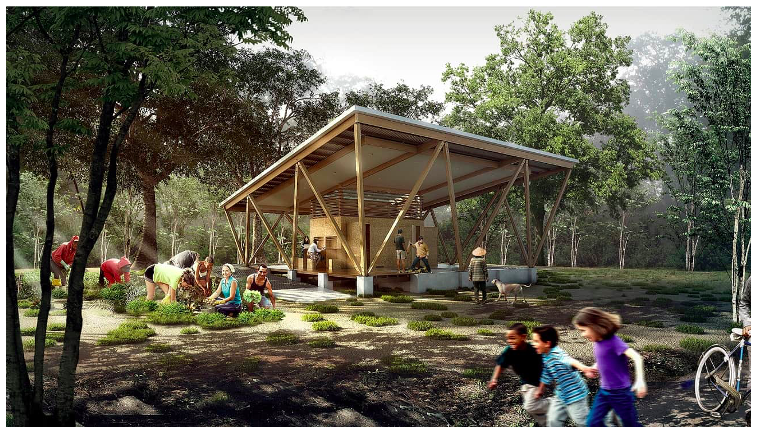
Regarding materials, most carbon emissions occur during the production processes, such as processing and transportation. For example, cement contributes to 10% of global carbon emissions, while wood has a much lower carbon footprint because it absorbs carbon dioxide. Using recycled materials is another option to reduce Carbon Impact. An example is the community center on Chira Island in Costa Rica, which features a roof designed to collect rainwater, made from recycled cardboard, and windows made from recycled plastic bottles, with a structure built from locally sourced wood.
Source: ticotimes.net
[4] Water
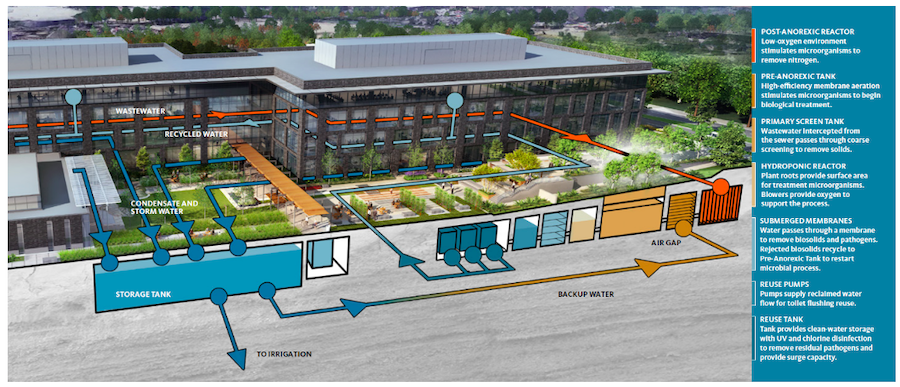
Water is essential for life, but many areas around the world face water scarcity. Designing buildings to use less water and incorporating water circulation systems is crucial for reducing Carbon Impact. Buildings can be designed to collect rainwater and reuse wastewater from sinks and washing machines for irrigation or toilet flushing.
Source: Gensler.com
[5] Energy
The final concept focuses on energy use, emphasizing efficient energy design. This includes installing solar panels to generate electricity for the building, energy storage systems, designing windows with shades to control light levels, and using high ceilings in lobbies to ensure adequate natural light.
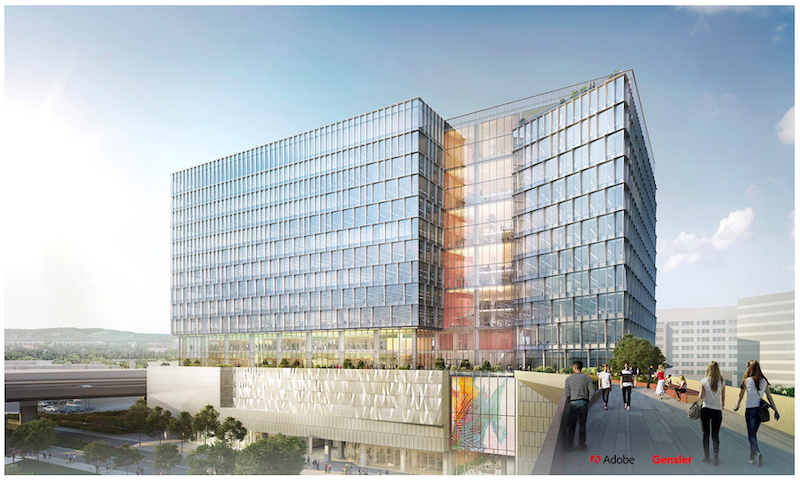
Source: Adobe.com
These are design concepts for reducing Carbon Impact, aligning with the campaign to reduce pollution for our planet. However, reducing pollution requires collaboration from all parties and professionals from various fields to work together towards a common goal of minimizing carbon emissions and maximizing the use of limited resources.