Ancient Discovery 2020
The COVID-19 pandemic in 2020 caused many activities to come to a halt, but in the field of archaeology, the search continued. That year saw numerous fascinating archaeological discoveries around the world.
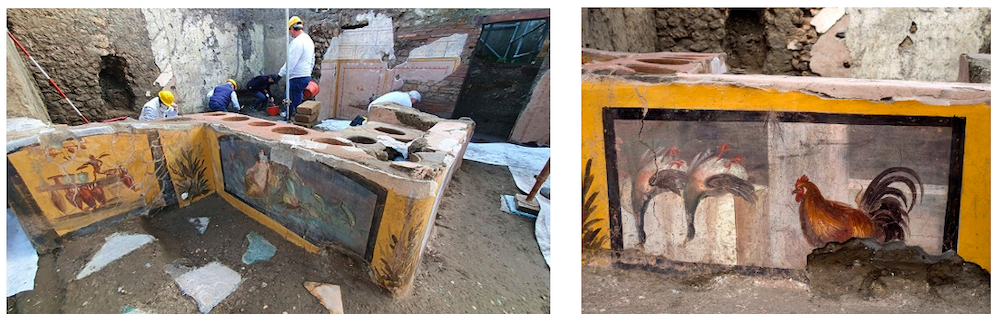
Food Stall in Pompeii, Italy
The city of Pompeii, located in southern Italy, is known for being affected by the eruption of Mount Vesuvius, which buried the city in ash for over 2,000 years. Discoveries in Pompeii range from jewelry to human skulls. In 2020, a food stall known as a Thermopolium was uncovered, considered a fast-food outlet of its time. This food stall featured paintings of various animals and revealed numerous animal bones, including those of pigs, goats, fish, chickens, and snails, indicating a diverse range of food available at this stall.
Source: lonelyplanet.com, npr.org
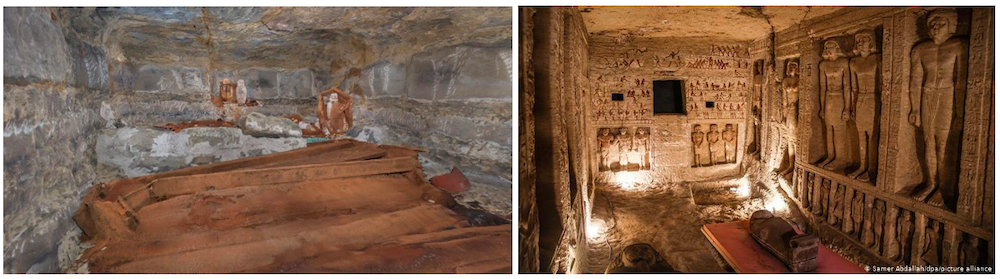
Ancient Funeral Home in Saqqara, Egypt
One of the most famous archaeological discoveries worldwide in July 2020 was the discovery of the Saqqara necropolis, the main burial site of the ancient capital Memphis in Egypt, located about 30 kilometers south of Cairo. Numerous tombs were found in this area, both of kings and commoners. The discovery of a funeral home revealed that mummification was a business in that era.
Generally, we understand that mummification was reserved for royalty and those of high status, who were placed in coffins adorned with gold and jewels. However, this discovery showed that even those of lesser means could also be mummified, albeit with less expensive materials for their coffins.
Source: smithsonianmag.com, dw.com
Cat Figure on the Nazca Plateau, Peru
The Nazca Plateau in Peru is home to the Nazca Lines, large geoglyphs of various animals created on the ground between 200-700 AD. These figures can only be clearly seen from the air, with lengths ranging from 400 meters to 1.1 kilometers. Notable images include the condor, spider, and monkey.
In 2020, a cat figure was discovered on this plateau, which had previously gone unnoticed due to its faded appearance from being on a sloped hill prone to erosion. The creation of a viewing path led to its rediscovery. Evidence suggests that this cat figure was made between 500 BC and 200 AD, predating other figures on the Nazca Plateau.
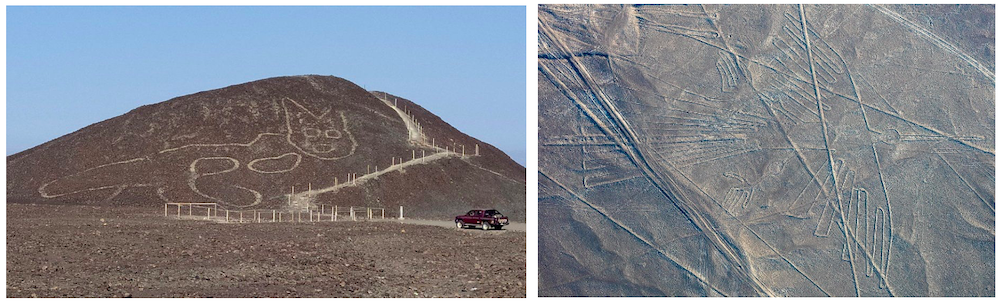
Source: bbc.com, Wikipedia.org
Tomb of Romulus in Rome, Italy
In early 2020, reports emerged of the discovery of the tomb of Romulus, one of the legendary founders of Rome. According to legend, Romulus and his brother Remus were ordered by their father, a king, to be killed by being left by the Tiber River. However, they were raised by a she-wolf and grew up to found Rome. Statues depict the two brothers being suckled by the she-wolf, and they even appear on the emblem of the AS Roma football club.
This tomb is located within the Roman Forum, and its location has sparked debates about whether it is indeed Romulus's tomb or merely a symbolic temple for those who worshipped him. The discussions extend to the historical existence of the legendary figures Romulus and Remus.
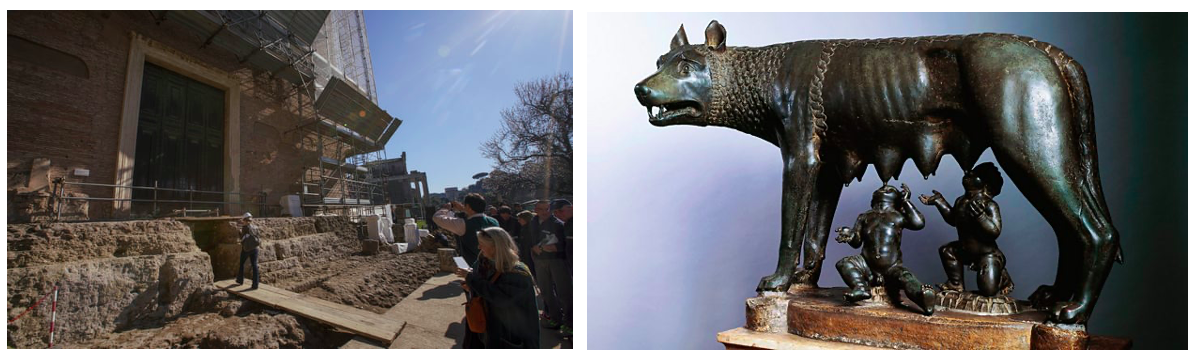
Source: theguardian.com, bbc.co.uk
Carved Stone in Faydah, Iraq
In northern Iraq, a carved stone dating back over 3,000 years was discovered along an ancient canal in the Faydah district, located 480 kilometers north of Baghdad. This carving depicts the reverence that King Sargon II of Assyria had for the seven Assyrian gods.
The Assyrians have long inhabited the Middle East, with their ancient kingdom centered around Assur in northern Iraq. The search for Assyrian artifacts and sites was interrupted in 2014 when northern Iraq was occupied by ISIS, but exploration resumed in 2019 after ISIS was driven out.
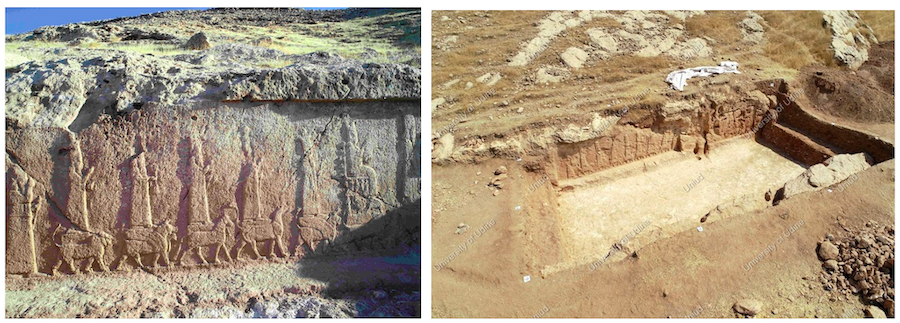
Source: mirror.co.uk, qui.uniud.it
In our world, there are still many archaeological sites and artifacts waiting to be discovered. Each discovery enhances our understanding of human history and lifestyles across different eras, leading to increased tourism in those regions. The search for artifacts continues, so that once the COVID-19 crisis passes and travel resumes, everyone can visit these ancient sites and artifacts.