“Stimulating Foreign Purchasing Power – Restructuring Public Infrastructure” Reveals 2 Key Strategies to Revive the Real Estate Market in 2021
Following the announcement by Prime Minister and Minister of Defense General Prayuth Chan-o-cha to extend the land and property tax reduction policy from last year to assist citizens and businesses affected by COVID-19, which has led to a burden of tax payments that has been interrupted for some time, the government has a policy to alleviate the financial burden on citizens during the COVID-19 pandemic.
In summary, the land and property tax will be reduced by 90%, meaning only 10% will need to be paid. Additionally, the transfer fee will be reduced to 0.01%, which will be proposed to the Cabinet within the next two weeks.
“Since the first outbreak of COVID-19, the Ministry of Finance and the Ministry of Interior have announced a 90% reduction in land and property tax for the entire tax burden in 2020 for agricultural land, residential land, and land used for other purposes besides agriculture and housing, including vacant or unused land.”
This allows landowners or holders to pay only 10% of the total tax burden to alleviate the tax burden for citizens in 2020 and postpones the tax payment deadline from March of each year to August instead.”

Real Estate Experts Propose 2 Strategies to Stimulate the Economy and Support the Real Estate Business During COVID-19
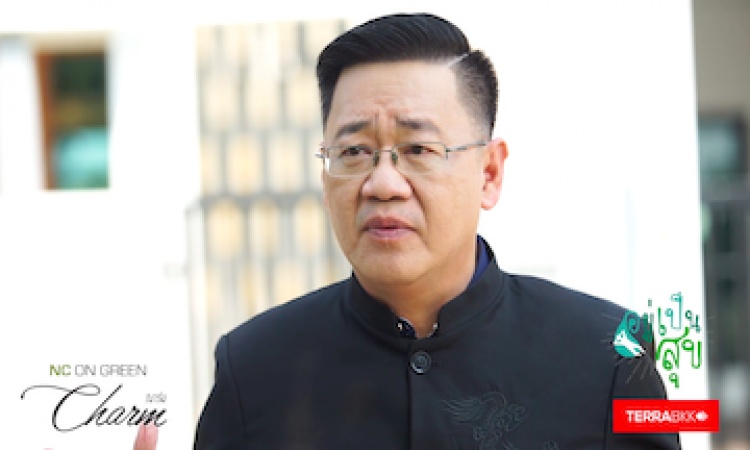
Ms. Sumitra Wongphakdee, Managing Director of Terra Media and Consulting Co., Ltd. stated that from the perspective of real estate development consultants, the 90% reduction in land and property tax is a good approach that can directly assist real estate operators. The continued tax reduction from last year will enable operators to plan their business quickly this year, especially for medium and small operators who need to increase cash flow to enhance business liquidity. This may involve mergers, asset transfers, and launching new projects that were postponed from 2020 and may need to be delayed again this year.
Meanwhile, large operators or companies ready to invest may find this a golden opportunity to adjust their asset portfolios by acquiring new land for future development.
The transfer fee reduction to 0.01% will directly assist consumers or home buyers. It is suggested that the government should unlock the transfer fee for both new and second-hand homes at all price levels, rather than limiting it to new homes priced below 3 million baht, and propose to the state to implement a “mortgage fee reduction” to 0.01% from the previous 1%.
For example, previously, purchasing a condominium priced at 2 million baht required a transfer fee of 1%, amounting to 20,000 baht. If reduced to 0.01%, the fee would only be 200 baht.
The reduction of both the transfer and mortgage fees to 0.01% will be beneficial in attracting potential home buyers with purchasing power to make quicker decisions. The government should also promote this policy to reach the public to build confidence in real estate purchases during this period.
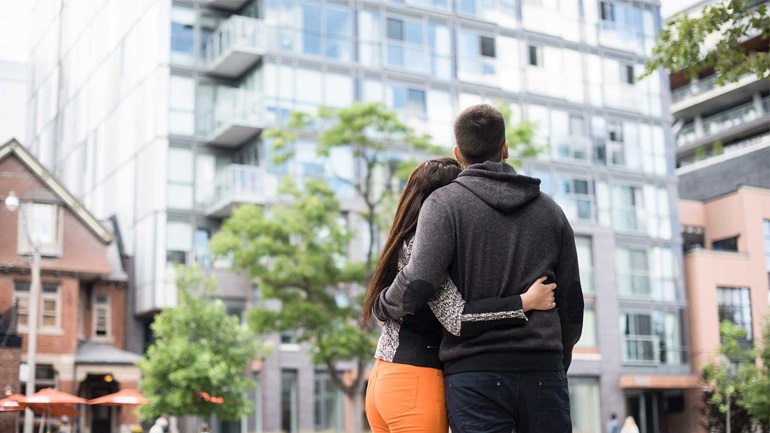
“Stimulating Foreign Purchasing Power – Restructuring Public Infrastructure”
In the past, Thai real estate has been popular among foreign investors who continuously invested in purchasing properties. However, after the COVID-19 outbreak, foreign customers have nearly disappeared.
Domestic purchasing power stimulation measures may only “alleviate” stock levels somewhat, but they are unlikely to be sufficient to assist Thai real estate developers, especially medium and small ones who may still be struggling to find solutions. Therefore, “stimulating foreign purchasing power” is another matter that should be reconsidered by the government, including extending free visas for foreigners purchasing properties to stay in Thailand longer to encourage domestic spending, as well as facilitating or reducing international transfer fees to expedite foreign property purchases and extending lease rights from 30 years to long-term leases of 50-90 years with a single contract without the need for renewal.
It is believed that these factors will be crucial in stimulating foreign demand for housing in Thailand as a second home or for retirement living.
After the COVID-19 crisis, assistance or development strategies must be adjusted accordingly. Another aspect that the government should prioritize is “rethinking for the city,” beyond just accelerating the expansion of the subway and road networks. The government should focus on improving infrastructure, enhancing public utility systems, and addressing pollution issues harmful to urban residents, such as improving sidewalks, crosswalks, adding skywalks, and increasing green spaces.
This aims to create a “walking society and reduce energy consumption that harms the environment,” while establishing a new stance for Thailand to become one of the most livable countries in the world (Safe Haven) instead of merely being a tourist destination.
However, we must closely monitor the land and property tax reduction measures that the government will announce within the next two weeks to see which direction they will take. Will there be an unlocking of homes at all price levels as hoped, or will they maintain the existing measures and only extend the tax reduction period?