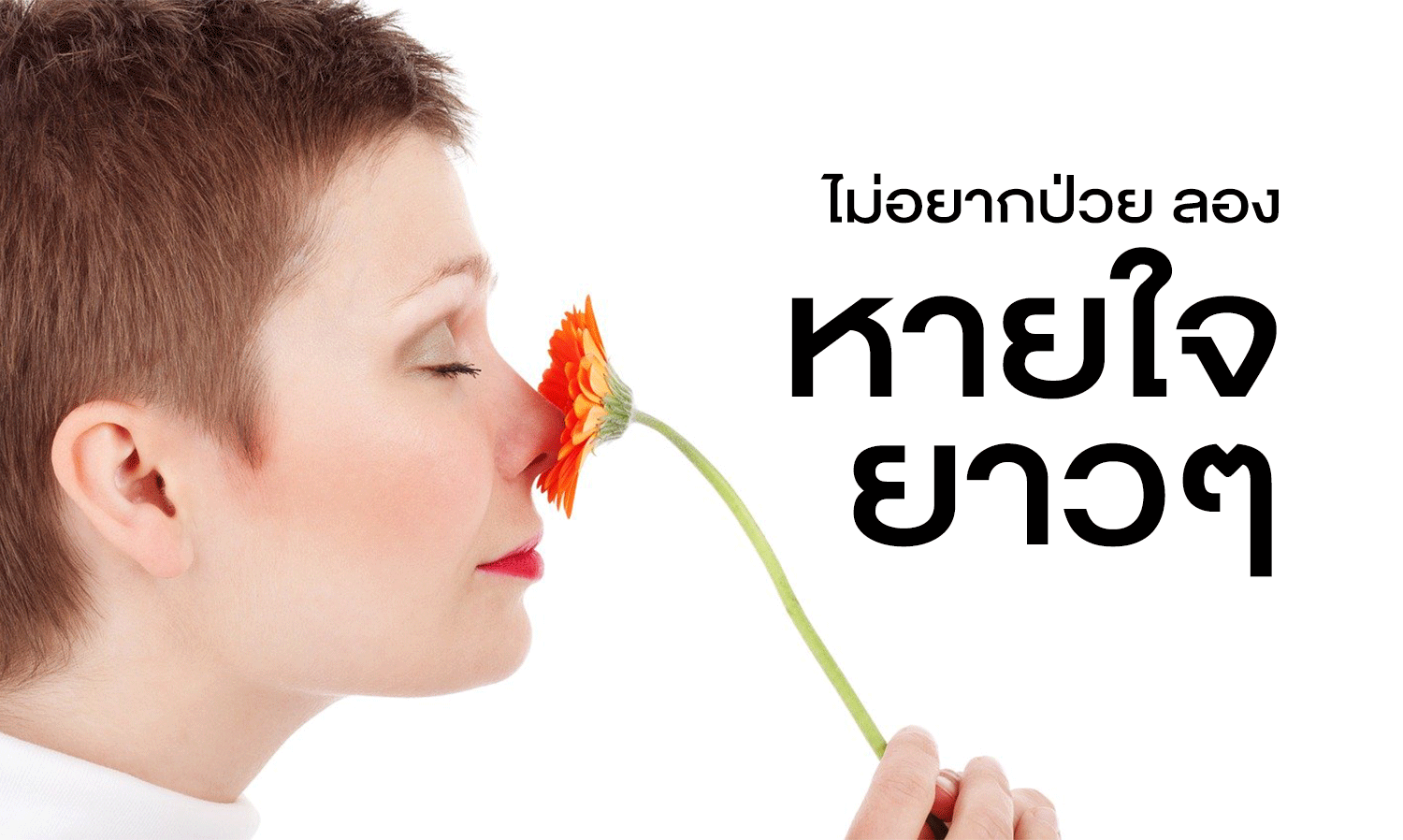
Don't Want to Get Sick? Try 'Deep Breathing'
Breathing is undoubtedly connected to various systems in the body. If you want to stay healthy, let's practice deep breathing.
Some people hardly pay attention to their breath, thinking that just breathing through the day is enough. However, proper breathing can help heal diseases and boost vitality, which is emphasized by both modern medicine and Eastern practices.
Notice how we feel refreshed when we are by the sea or in the mountains, as if our bodies are recharging. This contrasts with walking along a crowded sidewalk, where we often feel tired and drained.
Breathing is extremely important; it is essential to breathe deeply and fully.
Both Eastern sciences and modern medicine provide evidence that deep and long breathing is more beneficial for the body and mind than normal breathing. Think about when we are very stressed; our hearts race and we feel pressured. But if we take slow, deep breaths, it helps improve our body's metabolic processes.
Breathe Correctly
Breathing is the process of taking oxygen from the external atmosphere into the body. After metabolism, carbon dioxide is produced and expelled. Gas transport occurs through the circulatory system, with gas exchange between blood and tissues happening at the cellular level, known as internal respiration. The exchange of gases between blood and external air, which occurs in the lungs, is called external respiration.
The respiratory system is divided into two parts: 1. The airways for air to enter and exit, and 2. The respiratory parts, including the lungs, where gas exchange occurs between blood and air.
The respiratory pathway operates semi-autonomously, functioning rhythmically on its own. The automatic control mechanism sends signals via the phrenic nerve to the respiratory muscles, including the diaphragm and intercostal muscles. The phrenic nerves branch from the upper cervical spine between the 3rd and 4th, and 4th and 5th vertebrae to the diaphragm. Eleven pairs of nerves branch from the joints between the thoracic vertebrae 1-11 to the intercostal muscles, with separate nerves responsible for inhalation and exhalation.
However, emotional states affect the respiratory system. Shock, fear, and excitement can cause faster breathing, while emotional expressions like laughing or crying require proper breathing mechanisms. The upper brain reduces control, allowing the central respiratory center in the midbrain to take over, similar to how various emotional states affect breathing.
By adjusting our breathing correctly, we can manage our emotions. For instance, taking a long sigh can help release emotional tension, while deep inhalation can invigorate us and fill our lungs.
Nonetheless, various breathing patterns undoubtedly influence mental states, such as the speed and depth of breaths, the ratio of lung to abdominal movement, breath-holding, and the ratio of inhalation to exhalation.
Today, scientists are increasingly focusing on how breathing patterns affect the nervous system and studying the impact of breath on bodily functions, both physical and mental.
Deep Breathing Helps Heal
Every cell in our body requires oxygen to repair worn-out parts. However, some people have very little oxygen left in their bodies due to the accumulation of waste and harmful gases.
It is crucial for us to expel as much waste from our bodies as possible by inhaling pure air. Normally, oxygen is only about 21 percent in the air, and even with regular breathing, we may not fully utilize the oxygen in our bodies.
Oxygen therapy experts recommend practicing slow, deep breathing by inhaling fully, then holding the breath for as long as possible. Fresh air will nourish various parts of the body, purifying our blood, and then we exhale through the mouth to expel waste.
While breathing calmly, our minds will also settle with the breath, reducing free radicals, which in turn decreases cancer-causing agents. Free radicals can lead to dull skin and premature aging.
Moreover, several research studies confirm that this type of breathing reduces free radicals, similar to yoga or meditation breathing, as our mental state calms and stress hormones decrease.
Yoga Breathing
Eastern practices prioritize proper breathing techniques, whether in Qigong, yoga, Tai Chi, Aikido, meditation, or certain body therapies that require long and deep breathing.
For instance, pranayama, which stretches the breath to increase energy, is a form of breath control. The body's mechanisms connect with the autonomic nervous system to regulate mental functions and prepare for meditation. Yoga breathing is not about increasing oxygen intake but rather reducing air to decrease breathing, leading practitioners to inner tranquility.
During pranayama practice, the amount of air entering the body is reduced, increasing carbon dioxide concentration. This practice helps the body tolerate higher levels of carbon dioxide, leading practitioners to breathe less and slower, calming their minds.
Kavi Kongphakdeephong, a pioneering yoga instructor and director of the Yoga Academic Institute, once noted that breath serves as a bridge between body and mind, with an autonomic nervous system. It is evident that when we are angry or happy, our breathing changes, and yoga places greater importance on breath than on asana practice.
Breath training is about controlling the original automatic state. If one can master breath control, they can also learn to control their mind. Although yoga breathing techniques vary, they share a common goal of mental development. Practitioners are advised to practice yoga breathing no more than four times a day: at sunrise, noon, sunset, and midnight.
Did you know that in the 21st century, as lifestyles change and medical advancements increase, humans face mental challenges due to constant stress?
Many are aware that stress causes imbalances in the body, which can arise from various factors, both external and internal. Stress stimulates the hypothalamus, triggering the sympathetic nervous system and further activating the adrenal glands, leading to internal changes such as increased heart rate, elevated blood pressure, and higher blood sugar levels.
If the body cannot manage stress, various systems will malfunction, leading to conditions like diabetes, high blood pressure, insomnia, and excessive acidity.
Yoga practice thus serves as holistic care for the body, including the nervous system, hormonal system, muscular system, and mental health. Long, deep breathing helps calm the mind and reduces stress hormone release.
.............................
Note: Some information is sourced from the Health Yoga Promotion Project, the People's Doctor Foundation.
SOURCE: www.bangkokbiznews.com