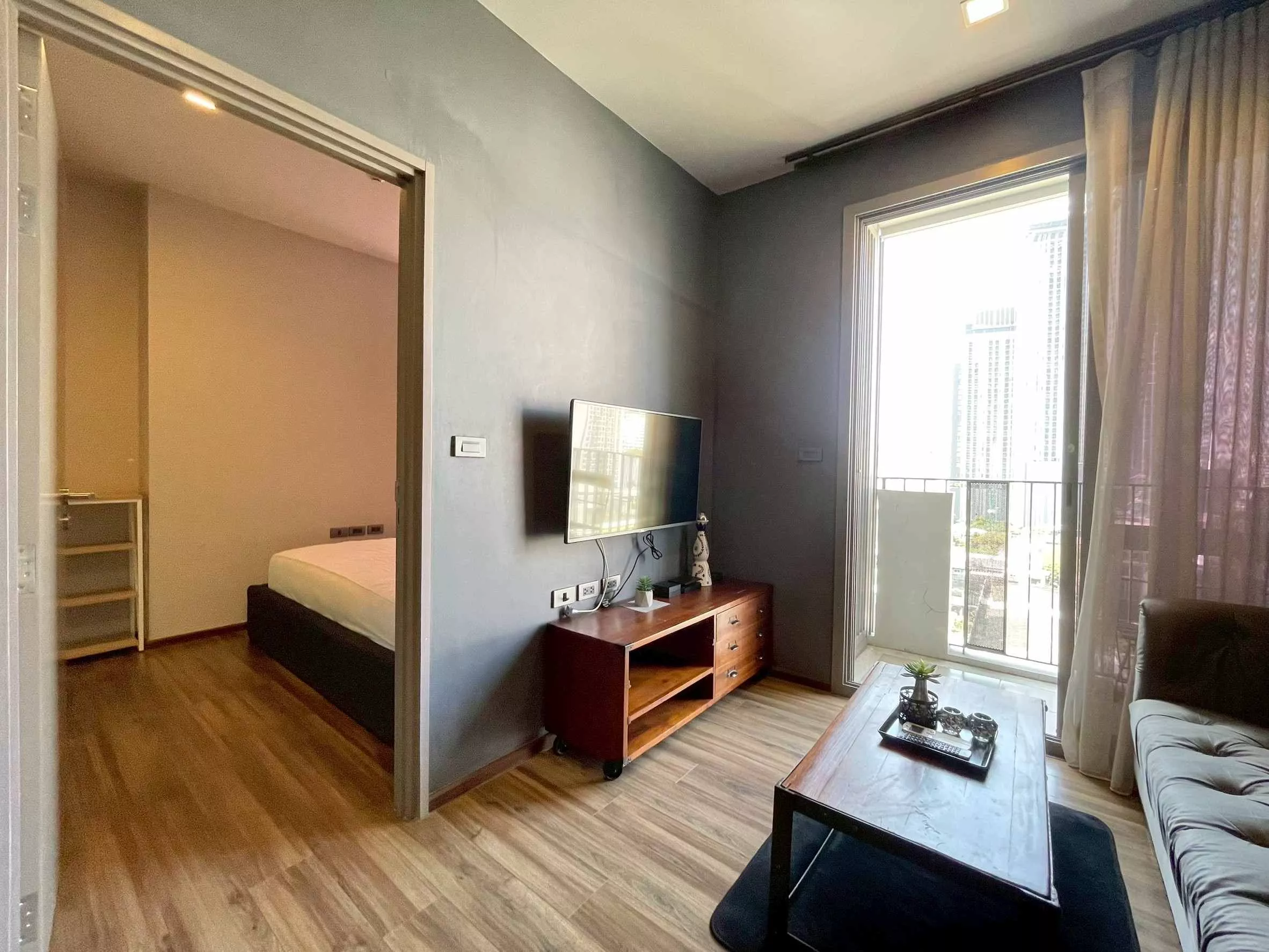
Clearing Up Doubts: Preparing for 'Renovating a Second-Hand House'
Many people decide to buy a 'second-hand house' based on the location and size of the property. This leads many homeowners with sufficient funds to choose to demolish and renovate the existing structure into a new style they love, while also expanding the usable space to suit their family members.
Renovating a second-hand house into a new design to make it more appealing and livable is often perceived as an easy task that requires a smaller budget than buying a new house. However, if homeowners lack good planning, they may encounter numerous problems. Therefore, TerraBKK has compiled information from SCG, a leader in comprehensive construction materials, to provide tips for preparing before you 'renovate a second-hand house.'
“SCG has selected 5 common questions that homeowners seeking to renovate often consult about:
1. How do I start renovating my house? 2. It's hard to find a good contractor; how can I find a reliable one who won't abandon the job? 3. With a limited budget, can I still renovate, and how should I allocate my budget? 4. How should I choose construction materials to ensure good quality? 5. Should I choose materials that come with a warranty or after-sales service?”
These issues are important problems that homeowners should have information on to plan their 'renovation of a second-hand house' successfully and easily.
Question: How do I start renovating my house?
Answer: The first thing homeowners should always consider when wanting to renovate is to clearly define their objectives, whether they want to improve the entire house, reorganize the space, or repair certain areas. After that, gather more information and, crucially, consult with experts.
Professionals should be consulted alongside, as modifying an existing space has more limitations than building anew, and there are many details to consider, such as the original structure of the house, the design of the renovation, selecting and purchasing construction materials, calculating the materials needed to plan an appropriate budget, and demolishing existing materials while ensuring no impact on the structural integrity or other areas of the house.
Currently, there are many consulting and planning services available for homeowners. Before consulting with experts, don't forget to prepare essential basic information, such as the original floor plan, photographs of the house and surrounding areas, and the objectives for improvement, to ensure the renovation planning is as comprehensive as possible.
Question: It's hard to find a good contractor; how can I find a reliable one who won't abandon the job?
Answer: This is one of the most common problems and a significant concern for homeowners. Whether it's difficulty finding a contractor or hiring one who does not complete the work properly, abandons the job midway, or fails to meet deadlines, SCG would like to recommend some factors to consider when choosing a contractor or subcontractor: choose a reputable company; if hiring an independent contractor, review their past work; ensure the pricing is reasonable; for repairs or specific improvements, select contractors who specialize in each type of work, such as roofing, masonry, or carpentry, or use comprehensive service contractors from material manufacturers who provide installation services.
Question: With a limited budget, can I still renovate, and how should I allocate my budget?
Answer: Renovating a house can be done within a limited budget by prioritizing renovations for essential areas first. If there is leftover budget, it can be allocated to other important areas. Importantly, homeowners should consult with experts and plan their budget carefully to allocate and control expenses according to the plan. The following should be calculated:
1. Design fees for architects, interior designers, or engineers if new space design is required.
2. Construction or renovation costs, which include material costs calculated based on selected materials and quantities needed, labor costs, contractor fees, and utility costs.
3. Other expenses and potential costs that may arise from budget overruns, such as temporary housing rental during renovations, additional repair costs due to accidents during demolition, changes to higher-priced materials, or contractors abandoning the job midway, etc.

Question: How should I choose construction materials to ensure good quality?
Answer: Homeowners should collaborate with architects or experts to choose construction materials. The key factors in selecting materials are quality and durability. Nowadays, various innovations are integrated to enhance performance and extend lifespan. Additionally, homeowners should select materials that meet various factors to ensure cost-effectiveness and maximum efficiency, such as fitting within the set budget, having an appealing design, functional use, being environmentally friendly, and having certifications that meet standards such as TIS, energy-saving labels, environmental labels, and ISO criteria, etc.
When renovating a house, it should be designed for long-term use and value, rather than facing headaches from repairs due to poor-quality materials. Furthermore, once materials are selected, homeowners should specify details in the renovation plans, including brand names, models, colors, and sizes, to ensure contractors can purchase the correct materials as desired.
Question: Should I choose materials that come with a warranty or after-sales service?
Answer: Warranties and after-sales services are often overlooked by many people, as they assume that new purchases won't have issues. However, remember that a house is a long-term investment, and the materials used should also have a long lifespan. Renovating a house can also lead to unexpected problems at any time. Therefore, warranties and after-sales services can significantly enhance homeowners' confidence. When considering after-sales service, the brand should have multiple contact channels for immediate consultation, a quality inspection team after installation, and a team ready to address issues quickly. Regarding product warranties, consider the warranty duration and return policies in case of problems.
Click to find a second-hand house
Click to find a second-hand condo
Click to sell a second-hand house
Click to sell a second-hand condo
Click for assistance in buying a house, condo, or other properties
Thank you for the information: SCG