Global Aviation Industry Crumbles Under COVID-19; National Airlines Rush for Emergency Loans
<\/p>
The "aviation industry" has been severely and clearly impacted by the COVID-19 pandemic, as governments worldwide enforce measures to control the virus's spread, preventing people from traveling normally.<\/strong><\/p>
<\/p>
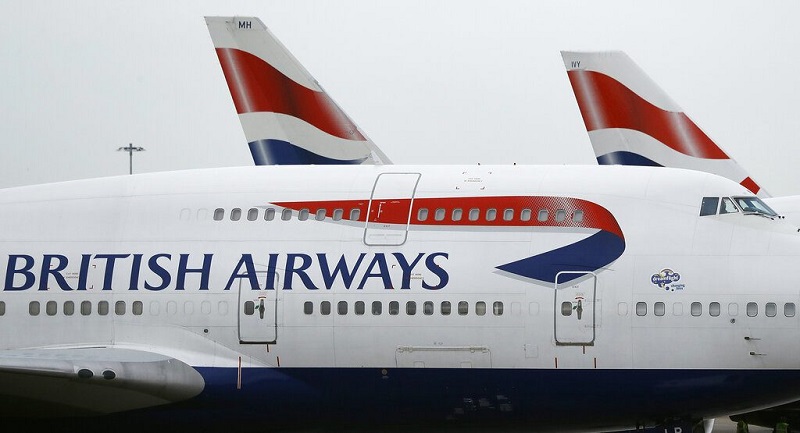
According to the International Air Transport Association (IATA), nearly two-thirds of the approximately 26,000 passenger aircraft worldwide have ceased operations, putting around 25 million airline employees at risk. Global airlines are expected to see a total revenue drop of about $314 billion from ticket sales, which could lead to more than half of the airlines worldwide facing bankruptcy within the next 2-3 months if they do not receive urgent government assistance. In recent weeks, many airlines have been struggling, seeking government bailouts while also implementing cost-cutting restructuring plans to maintain cash flow for their operations. For instance, Virgin Australia, the second-largest airline in Australia, filed for bankruptcy after the government denied its loan request. Similarly, national airlines in many countries are in dire straits as global travel comes to a halt. British Airways, a major UK airline, reported a loss of up to €535 million in the first quarter of this year, prompting the company to prepare for a workforce reduction of 12,000 employees and to place over 30,000 employees on furlough with 80% pay. Although the airline received support from the UK government in the form of wage subsidies of up to £2,500 per month per employee to prevent layoffs, British Airways management stated that this assistance is insufficient to retain all jobs. Scandinavian Airlines System has reduced its workforce by 5,000 employees, while Ryanair in Ireland cut 3,000 jobs, and Norwegian Air Shuttle plans to lay off 4,700 employees. Meanwhile, Lufthansa, Germany's major airline, is preparing to implement reduced working hours for two-thirds of its workforce. <\/p>
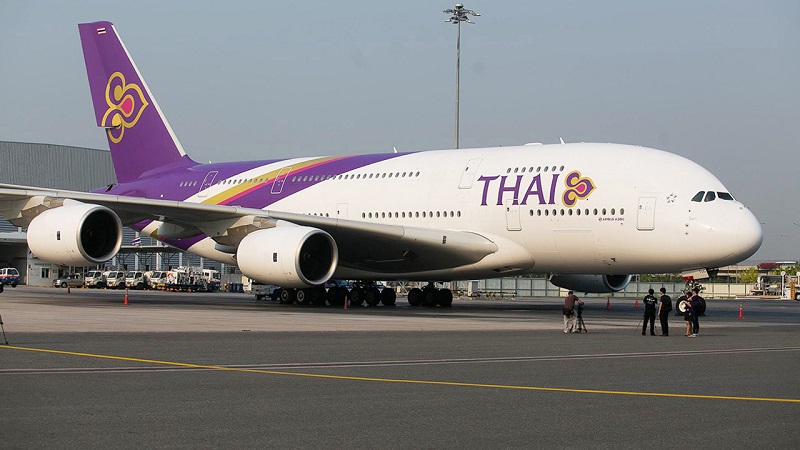
Meanwhile, Thai Airways, Thailand's national airline, has also been heavily impacted. It is preparing to propose to the Cabinet for approval of immediate liquidity solutions for Thai Airways and to agree in principle on a five-year rehabilitation plan (2020-2024). Thai Airways has reported continuous losses for three years and is seeking Cabinet approval to adjust its debt management plan for the fiscal year 2020. The guarantee amount is expected to be between 50-70 billion baht. Once the Ministry of Finance guarantees the loan for Thai Airways, there will be no issues regarding maturing bonds, as the airline can switch to borrowing from the Government Savings Bank to redeem the bonds. However, Thai Airways needs a major organizational overhaul due to significant issues with employee wage costs and maintenance costs, as over half of its approximately 70 aircraft are leased. The proposal discussed in the Cabinet will restructure Thai Airways to operate as a "holding company," with only Thai Airways Public Company Limited as the parent company registered on the Stock Exchange of Thailand (SET). The subsidiaries will include five companies: 1. Catering Services, 2. Ground Services, 3. Cargo Services, 4. Engineering Services, and 5. Thai Smile Airways. At the same time, the Ministry of Finance will reduce its shareholding to below 50%, which will change Thai Airways' status to a state enterprise in group 3 from group 1, effectively dissolving the status of the Thai Airways labor union. The core of Thai Airways' recovery lies in money, people, routes, aircraft, and ticket sales, all of which need to be integrated anew to generate revenue and reduce losses. The proposed recovery plan for immediate issues includes requesting an emergency short-term loan of 50-70 billion baht, with the Ministry of Finance as the guarantor, to maintain cash liquidity and cover various expenses for five months from May to September 2020, borrowing monthly according to expenses to enhance liquidity, which is estimated to average 10 billion baht per month. In May, they plan to request about 9 billion baht for internal organizational expenses. Concurrently, there will be a retirement and resizing of aircraft to meet travel demands, such as retiring older aircraft or those on unprofitable routes sooner. Larger aircraft will no longer be necessary for travel, and the plan to purchase 38 new aircraft worth over 150 billion baht will be postponed in favor of leasing instead. For the long-term plan, Thai Airways will seek to raise approximately 80 billion baht to repay the emergency loan of 50 billion baht and use the remaining 30 billion baht for internal management adjustments to continue operations after the COVID-19 situation ends. This capital increase will require time as it needs approval from the shareholders' meeting. Similarly, the plan to transform Thai Airways into a "holding company" will separate the subsidiary shareholding from the company's restructuring, focusing primarily on profitable businesses such as catering and cargo services. <\/p>
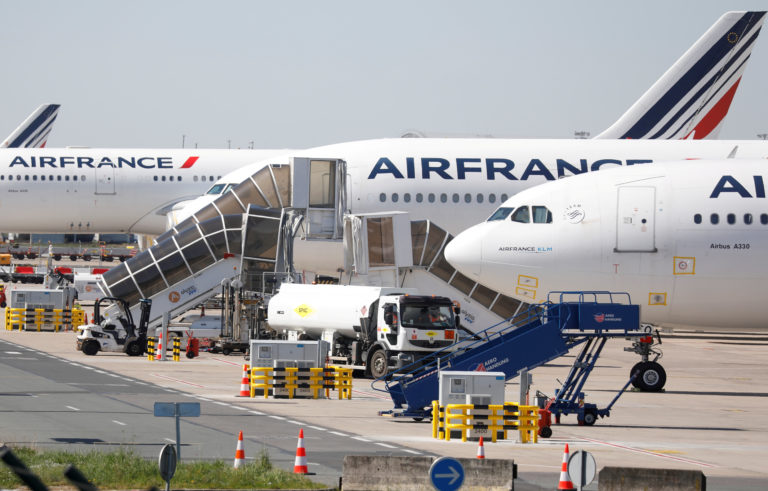
This aligns with the situation of the aviation business in France, where the French government approved a €7 billion loan to assist Air France, the national airline of France, under the condition that the airline reduces domestic flights. Bruno Le Maire, the French Minister of Economy and Finance, stated that the COVID-19 crisis is opening new opportunities for "presenting a model of economic development that respects the environment more." He also mentioned that Air France "should be the most environmentally friendly airline."
It is clear that many domestic flight routes are no longer necessary when you can travel by train in less than two hours, making air travel unreasonable. Currently, Air France is operating only 5% of its usual flights. Air France is part of the Air France-KLM group, which merged the French and Dutch aviation businesses in 2004. In April, the company received no less than €9 billion in assistance from the French government. For this loan assistance, French government officials stated that Air France will receive a €3 billion loan, while the remaining €4 billion will be state-backed guarantees. Meanwhile, the Dutch government is preparing to assist KLM with between €2 billion and €4 billion. Earlier this year, Air France-KLM projected that the COVID-19 outbreak would cost the company approximately €150-200 million from February to April. This aviation crisis has also created significant tremors for major aircraft manufacturers, such as Boeing, the American aircraft manufacturer, which announced plans to reduce its workforce by about 10%, or approximately 16,000 employees, and cut production of its main aircraft models like the Boeing 787 and 777 due to declining orders. In the first quarter of 2020, the company reported a loss of $641 million. Meanwhile, Airbus, the major European aircraft manufacturer, has also been affected by reduced demand for aircraft, especially due to the dire situation of British Airways, a major customer. In the first quarter, Airbus's profits dropped by 49% to €281 million, as it was unable to deliver over 60 aircraft to customers due to travel restrictions imposed by many countries worldwide, and airlines have been negotiating to extend their orders. Executives from both major aircraft manufacturers indicated that the aviation industry may take 3-5 years to regain passenger confidence to travel by air at levels comparable to those before the COVID-19 outbreak. We must prepare for this situation, and austerity measures are essential to maintain sufficient liquidity during times of low revenue. Although Airbus currently has no plans to reduce its workforce of approximately 135,000 employees worldwide, it acknowledged that it is considering this issue in mid-June. <\/p>
COVID-19 will have economic impacts but will also transform the aviation business like never before, including requiring passengers to wear masks and protective gear, leaving the middle seat empty, and providing services with strict social distancing. According to an IATA survey, about 40% of people currently state that even if the virus situation is under control, they will wait at least six more months before feeling confident enough to use airline services again. <\/p>
<\/p> 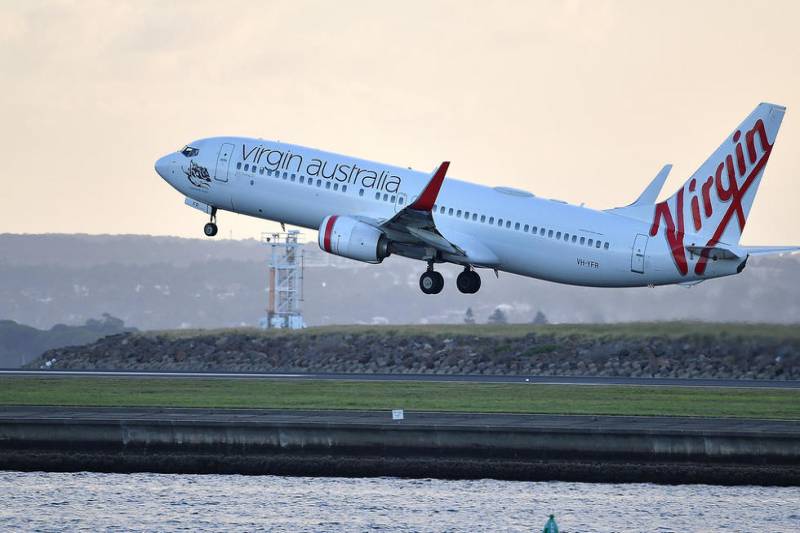 <\/p>
<\/p>
 <\/p>
<\/p>
 <\/p>
<\/p>
 <\/p>
<\/p>