Critical Thinking: A Skill Everyone Must Have to Survive a Crisis
The World Economic Forum has ranked the global competitiveness of 141 countries, revealing that in 2019, Thailand's competitiveness dropped from 38th to 40th place. One of the factors contributing to this decline is the low score in education, particularly in Critical Thinking, where Thailand scored only 37 out of 100.
How Important is Critical Thinking in Today's Job Market?
In Australia, a survey conducted by the Foundation for Young Australians found that between 2012 and 2015, new graduates were expected to possess Critical Thinking skills by 158%. Additionally, employers were willing to pay an extra AUD 7,745 for hiring workers with Critical Thinking skills, which is higher than the premium for skills in Creativity or Financial Literacy. The next question is: what exactly is Critical Thinking, and how crucial is it in today's era?
The World Economic Forum has identified it as one of the most important skills of the 21st century among 16 skills, which include Foundation Literacies (6 areas), Competencies (4 areas), and Character Qualities (6 areas).
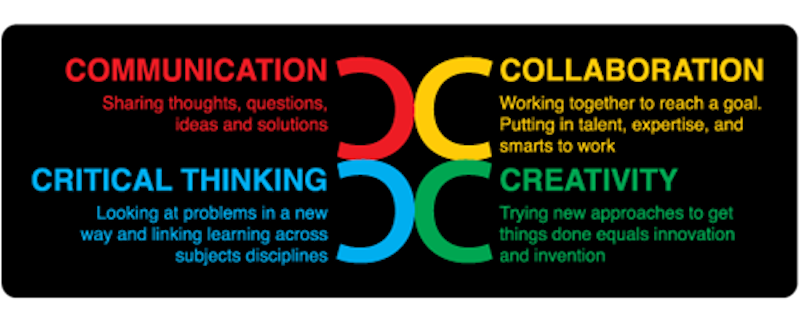
Critical Thinking is categorized under problem-solving skills, alongside Creativity, Communication, and Collaboration, collectively referred to as the 4Cs 21st Century Skill, which are fundamental skills desired by all organizations.
Critical Thinking or Critical Thinking is the ability to think, analyze, evaluate, and make decisions based on received information logically. This concept is rooted in the work of Benjamin Bloom (1956), who categorized cognitive learning behaviors into six levels: Knowledge, Comprehension, Application, Analysis, Synthesis, and Evaluation. Overall, Critical Thinking is a systematic process of analyzing and distinguishing information without letting personal feelings or beliefs interfere, making it a crucial skill for decision-making, especially in an era where vast amounts of information are easily accessible.
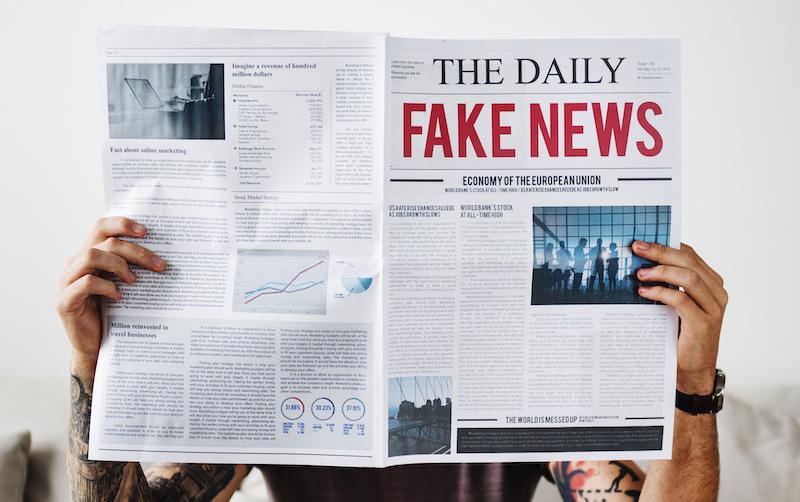
Thai Society: Having Critical Thinking Will Help You Avoid Fake News
In an age where an overwhelming amount of information is presented to us, how can we effectively process unfiltered data to ensure it aligns with reality? Critical Thinking is the skill that assists in this regard.
A survey by the Massachusetts Institute of Technology (MIT) indicated that 70% of fake news is retweeted (similar to reposting) on Twitter, based on 126,000 news items and 4.5 million instances from over 3 million Twitter accounts. Furthermore, the survey revealed that real news takes six times longer to reach 1,500 accounts.
In Thailand, the Health Promotion Foundation (HPF) has previously disclosed statistics on hate speech and fake news, revealing that the severity of such communications on various platforms, including YouTube (78.5%), forums (53%), and Facebook (37.6%), significantly impacts youth by 42%.
How to Train Yourself to Be a Critical Thinker
Developing Critical Thinking skills is similar to Scientific Thinking, which involves not accepting beliefs without evidence or seeking facts to refute hypotheses. The commonality of both skills lies in observation and questioning, which lead to analysis, data evaluation, comparison, summarization, and accurate decision-making.
- Questioning – Start by examining the origin of the information and the problem that requires a conclusion.
- Gathering Information – Seek evidence to refute hypotheses and compile information from other areas to uncover the truth.
- Interpreting and Analyzing Data – Consider all aspects of the available data and look for tangible evidence rather than relying on assumptions.
- Considering Other Relevant Factors – Identify potential effects beyond the data at hand to evaluate their impact.
Ultimately, Critical Thinking is akin to the critical thinking of the past, but in the digital age, where information may be exaggerated, honing Critical Thinking skills will prevent us from easily believing everything, encourage questioning, and lead to accessing accurate information, resulting in better evaluation, problem-solving, and precise decision-making.