100% Plant-Based Steak: A Revolutionary Food
Plant-based Meat refers to meat made from plants, processed to closely resemble the texture and taste of animal meat. This new food trend has gained significant popularity over the past 2-3 years, particularly in the United States, Europe, and Israel, leading to increased competition and a decrease in production costs, bringing them closer to the prices of real meat.
According to Euromonitor, from 2013 to 2018, sales of plant-based meat products in the United States grew at an average rate of 15.4% per year, compared to just 1.2% for processed meat. Data from burger and sandwich shops in the U.S. from April 2018 to March 2019 showed a 7.8% increase in plant-based options.

Plant-based Meat uses a combination of plant ingredients and various types of protein from legumes, mixed with coconut oil and sunflower oil, and processed to achieve color, juiciness, aroma, and flavor that closely mimic real meat. A key aspect is the modification of a molecule called heme, which is rich in iron and found in soybeans, to resemble that in beef. This is achieved by using the roots of leguminous plants and a genetic modification process that inserts soybean DNA into modified yeast, resulting in a red color similar to meat, giving the impression of blood, which contributes to the delicious flavor and texture akin to chewing meat.
Plant-based Meat has calorie, fat, and protein content comparable to turkey or beef burgers, making them nearly interchangeable as advertised. For instance, one plant-based burger contains 240 calories and 8 grams of saturated fat (from coconut oil), while a lean beef burger has 280 calories and 9 grams of saturated fat. Thus, the difference is minimal (except that plant-based burgers contain no cholesterol).
It is clear that consuming plant-based meat is not just a passing trend but is expected to continue growing. Plant-based options cater to health-conscious consumers who believe that eating vegetables is healthier than consuming meat, especially processed or flavored meats like sausages and hams, which the World Health Organization (WHO) has indicated may increase cancer risk. This has led health enthusiasts to avoid meat or processed meats, particularly fast food, making plant-based options an appealing alternative as they still provide essential nutrients like protein.
Additionally, they appeal to those concerned about the environment, as producing plant-based meat requires 47% to 99% less land and 72% to 99% less water than real meat. Thus, producing and consuming plant-based meat also helps reduce global warming. Approximately one-quarter of greenhouse gas emissions come from food, with 58% of those emissions originating from animal products (especially beef and lamb). The production of plant-based meat emits 30%-90% less greenhouse gas than that of real meat.
At the same time, manufacturers are competing to develop products and introduce new menu items, resulting in a diverse and appealing range of plant-based products. A report from Forbes indicates that by 2050, plant-based meat could capture up to 50% of the real meat market.
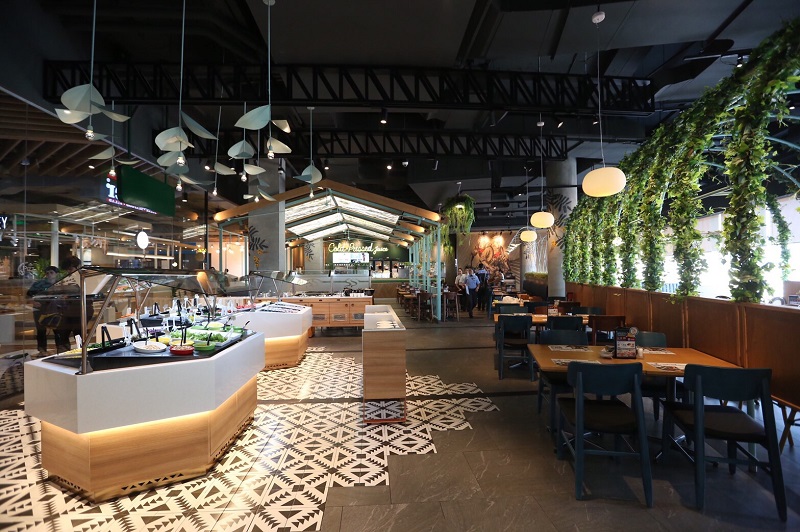
Undoubtedly, plant-based meat will be a new trend that meets the demands of the food industry, including in Thailand. Recently, Sizzler, a restaurant chain specializing in steak, seafood, and salads with locations worldwide, has created a new phenomenon in Thailand by launching “Healthy Vegan Choice” in the “Plant-Based” category, which is a 100% grain-based meat steak certified by the Food and Agriculture Organization of the United Nations (FAO) as a food of the future.
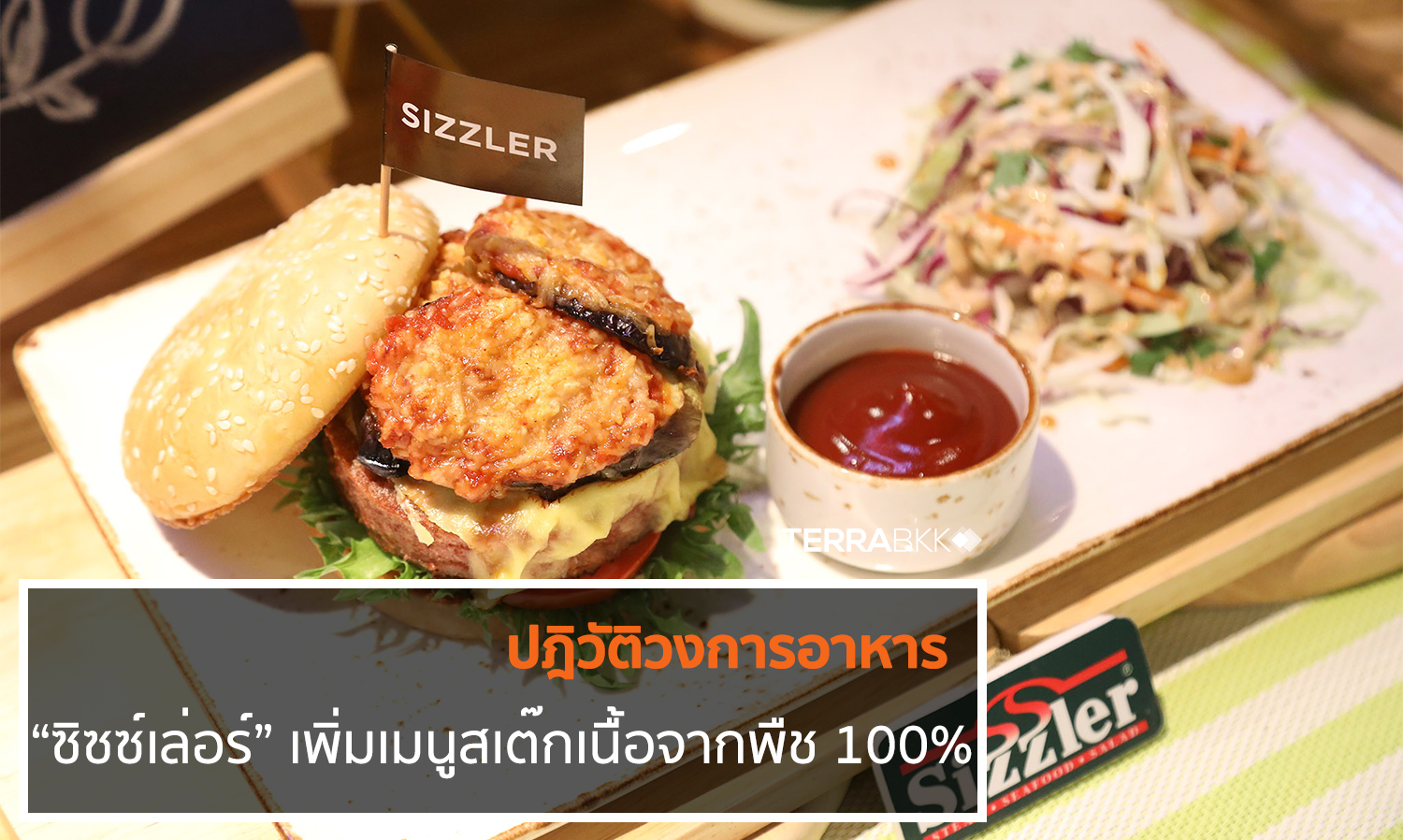
The new menu includes OmniCherry Steak with Basil Spaghetti and Bjorn Caramelized Onion Burger with Spicy Coleslaw, priced starting at 329 baht and 399 baht, respectively.
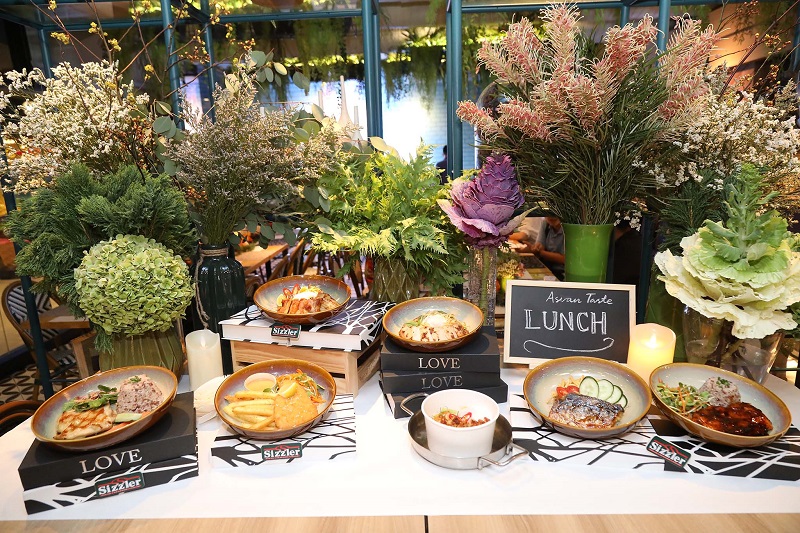
These Plant-Based menu items have garnered interest from vegetarians and health enthusiasts, while also addressing potential future meat shortages, as meat may be scarce in the next 30 years. They are available from today until March 31, 2020, at participating locations for dine-in only.
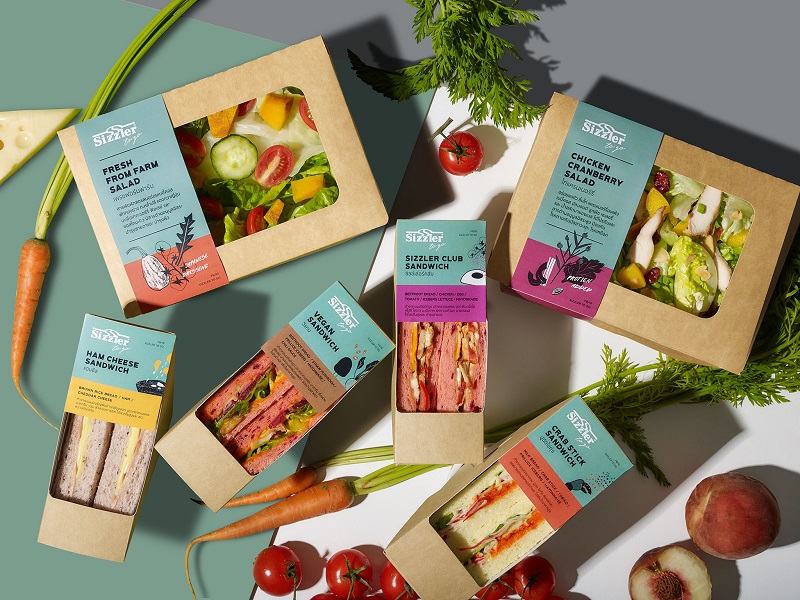
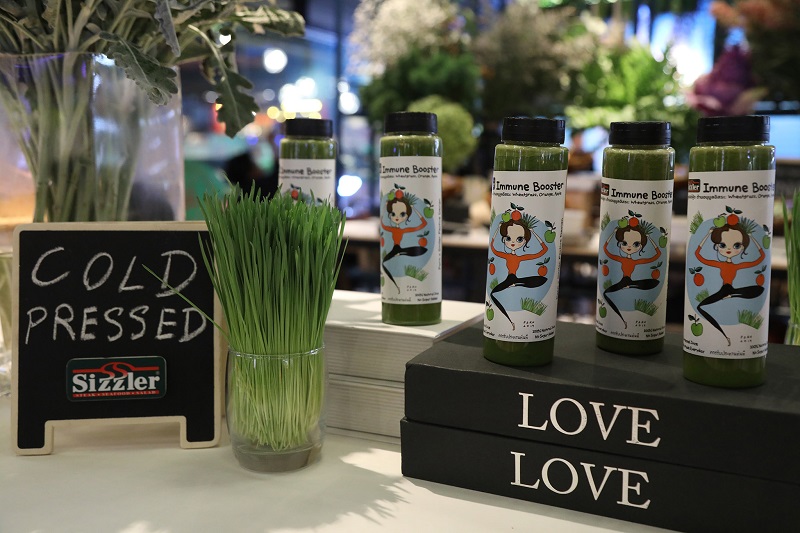
Additionally, Sizzler has launched “Sizzler to Go,” a new business model under the concept of “Healthy On The Go,” in a small kiosk format of 3 square meters located at Sala Daeng BTS station, targeting working professionals, health-conscious individuals, and BTS users. They offer three popular menu items, including salads and sandwiches, starting at 79 baht, along with a new flavor of 100% COLD-PRESSED JUICE called “Immune Booster,” made from fresh wheatgrass, apple, and orange, priced at 95 baht. Furthermore, for every purchase of a cold-pressed juice, 5 baht will be donated to a foundation promoting health and youth, and the kiosk uses environmentally friendly packaging, such as food containers, paper bags, and paper straws.
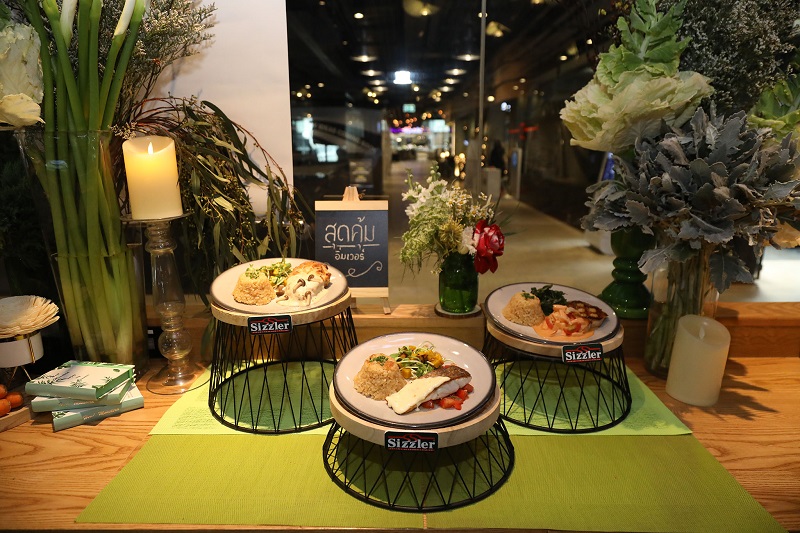
Moreover, the “VALUE MEAL” set offers great value, including grilled pork steak with truffle cream sauce, grilled sea bass steak with seafood mayo sauce, and grilled chicken steak with spicy curry sauce, priced at 259 baht, down from the regular price of 289 baht, with unlimited salad available only on weekdays, excluding public holidays, from today until May 31, 2020.
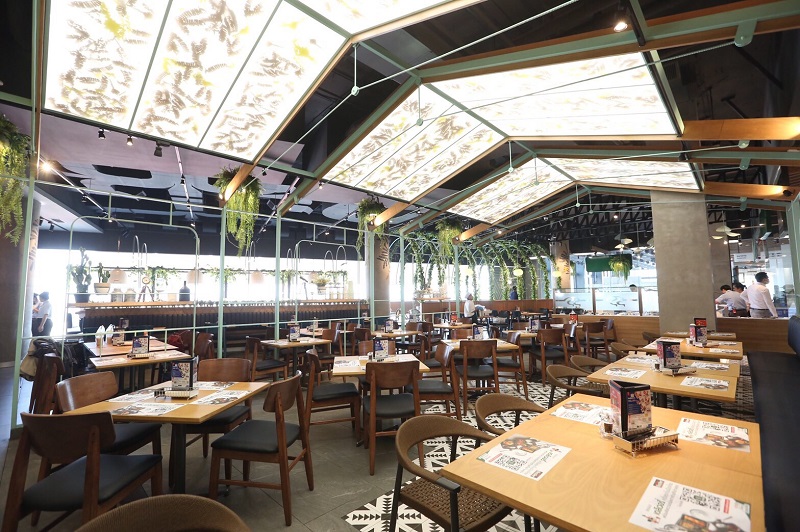
This is all part of an effort to expand the business while catering to working professionals, health enthusiasts, and BTS users, alongside the introduction of new food items in the future food innovation category and health-focused menus, along with promotional campaigns to provide customers with nutritious meals at accessible prices. They also plan to continue expanding their locations from the current 57 branches, with 31 in Bangkok and 26 in other provinces, while the delivery business has seen continuous growth over the past year.
Source: Sizzler