Did You Know? It Took Thailand Over 34 Years to Access 5G Technology, Transforming into 5 Gen
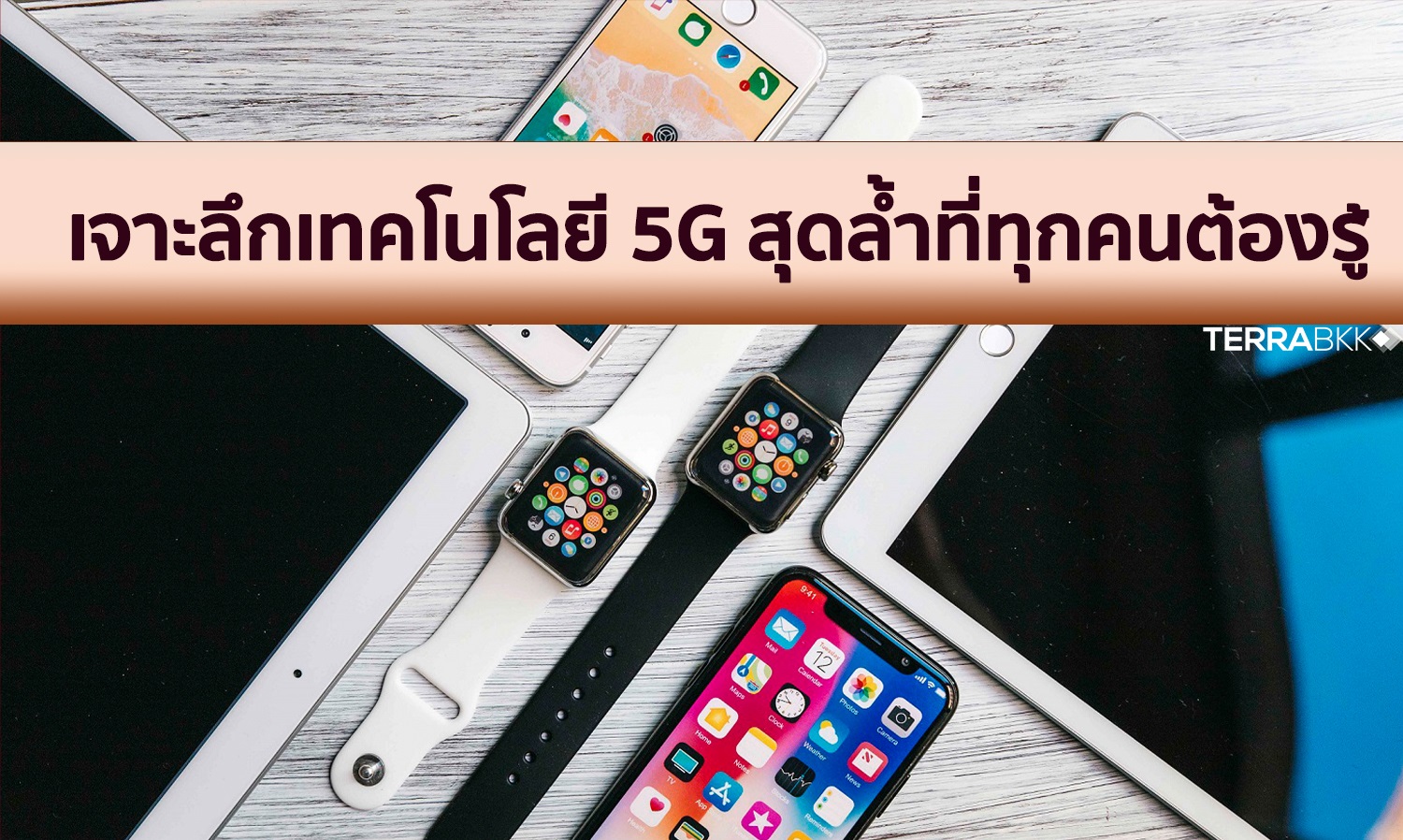
The "5G" technology is one of the hottest trends globally, as it will significantly transform the economy and society of Thailand. This technology will usher Thai people into a fully digital era, enhancing the speed of data communication and revolutionizing industries towards 4.0. It will lead to a transformation across all business sectors, including healthcare, industry, agriculture, entertainment, and education.
The 5G technology, which people around the world, including Thais, are eagerly awaiting, is the latest wireless technology that will connect all devices capable of internet connectivity (Internet of Things or IoT). However, it took Thailand 34 years to reach this world-changing technology, passing through 5 generations.
1G Transformed Landline Phones to Mobile Phones
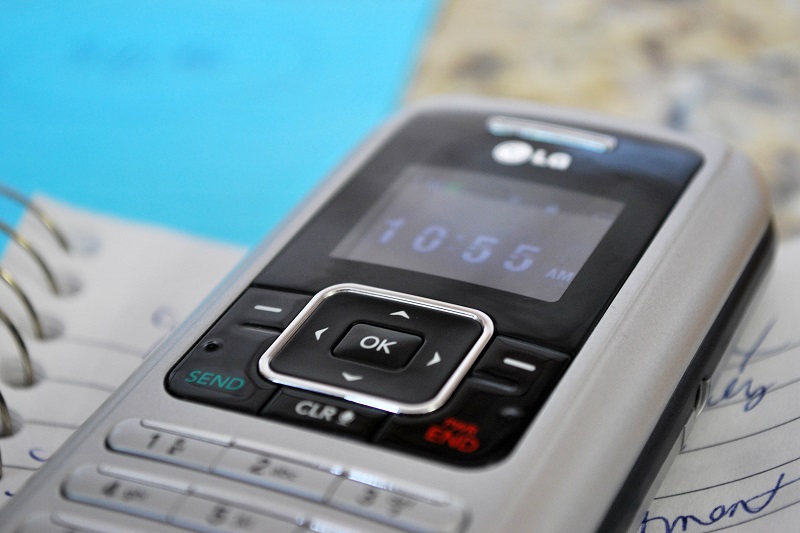
It all began with 1G technology, which emerged in 1986, marking the era of voice communication through incoming and outgoing calls. As we transitioned to the digital technology of 2G, based on European standards known as GSM, developed by Finland, the advent of 2G led to widespread mobile phone usage globally. Besides calls, towards the end of the 2G era, functionalities were developed to allow users to connect to the internet, known as GPRS, although data transmission rates were still relatively slow.

A Borderless World with 3G – 4G
As we entered the 3G era, this technology changed the world by enabling borderless communication, essentially marking the internet era. With higher wireless connection speeds, we could watch videos, listen to music, or play online games. When Thailand transitioned to 4G, the technology's efficiency allowed users to access multimedia experiences more richly, such as HD video conferencing, downloading movies, and listening to music without interruptions.

5G Technology Transforming Thailand
The 5G technology brings people worldwide, including Thais, into the era of IoT (Internet of Things), meaning the connection of everything together, whether it be portable devices, electrical appliances, or even cars, no longer limited to smartphones. This means we can apply it to any device designed to connect on the internet network. Moreover, the performance of 5G technology can replace high-speed home networks without the need for cables, achieving data speeds of up to 20 Gbps.
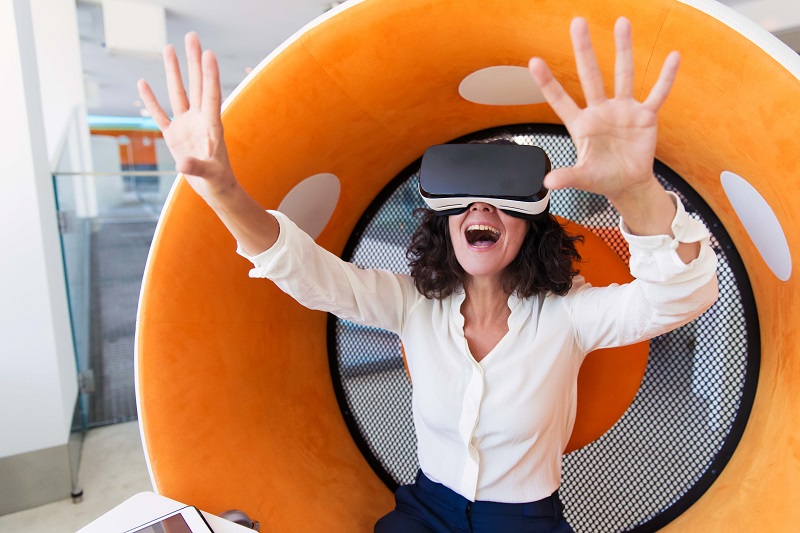
The arrival of 5G also enhances entertainment experiences, allowing for seamless real-time movie watching, music listening, and gaming. It enables everyone to experience virtual reality (VR) and augmented reality (AR) technologies, with frequency usage ranging from 24 to 40 GHz, and is designed for stability of up to 99.9999%. This allows for applications requiring safety and precision, such as remote diagnosis via high-speed internet. Importantly, it supports more than 1 million devices per square kilometer and can transmit data up to 20 times faster than 4G.
Assoc. Prof. Dr. Dampameis Boonyavesh, Department of Electrical and Computer Engineering, Faculty of Engineering, Thammasat University (TSE), stated that the global transition to 5G requires Thailand to undergo a significant transformation to enhance its competitive capabilities in the global trade arena. It is essential to develop personnel with the knowledge and skills to support 5G technology, which will be a crucial piece in driving the economy. Therefore, the Faculty of Engineering at Thammasat University (TSE) aims to produce graduates for the labor market under the concept of "More than Engineers" (Engineering and Beyond), nurturing a new generation of graduates who create outstanding software innovations, with diverse research and development outputs, including systems that connect with 5G technology networks, such as the following four innovations:
AI Software Transforming Thai Healthcare The Thai healthcare sector has recently faced challenges due to a shortage of medical personnel and insufficient treatment equipment for patients. TSE collaborated with the Department of Medical Services and the Center of Excellence in Intelligent Information Technology, Speech and Language, and Service Innovation (CILS) to develop "AIChest4All" software, utilizing AI technology to analyze over 200,000 chest X-ray images from various diseases such as tuberculosis, lung cancer, and heart abnormalities.
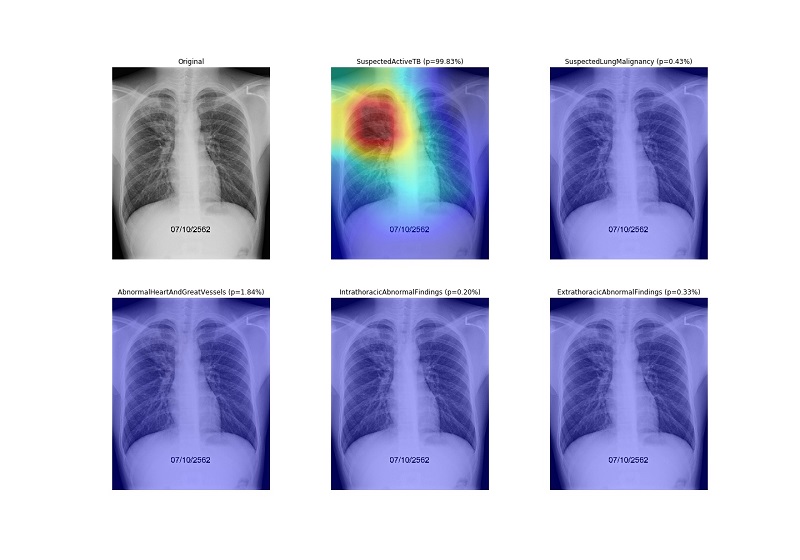
The AIChest4All software analyzes patient data, indicating risk levels with colors: dark green, light green, yellow, orange, and red, respectively, along with pinpointing problematic areas. Results can be screened in under a minute with over 80% accuracy. This software is available for public hospitals nationwide at no cost, addressing the Smart Hospital goals set by the government and the NBTC to reduce disparities and increase access to healthcare services.

IoT Creating Smart Farms in Thailand The agricultural sector remains a crucial foundation of Thailand's economy. To enhance competitive capabilities in the ASEAN region, agriculture must be driven by technology to become smart farms. TSE has integrated IoT and AI to develop the "Automated Egg Counting Machine with AI CCTV" that uses video analysis technology to count eggs in farms, which produce a large number of eggs daily. This innovation reduces the time needed to check daily egg production and allows real-time monitoring of egg counts from various devices, elevating chicken farms to a fully smart farm system. This smart farming initiative aligns with the government's policy vision to help Thailand escape the middle-income trap and address income disparity issues.

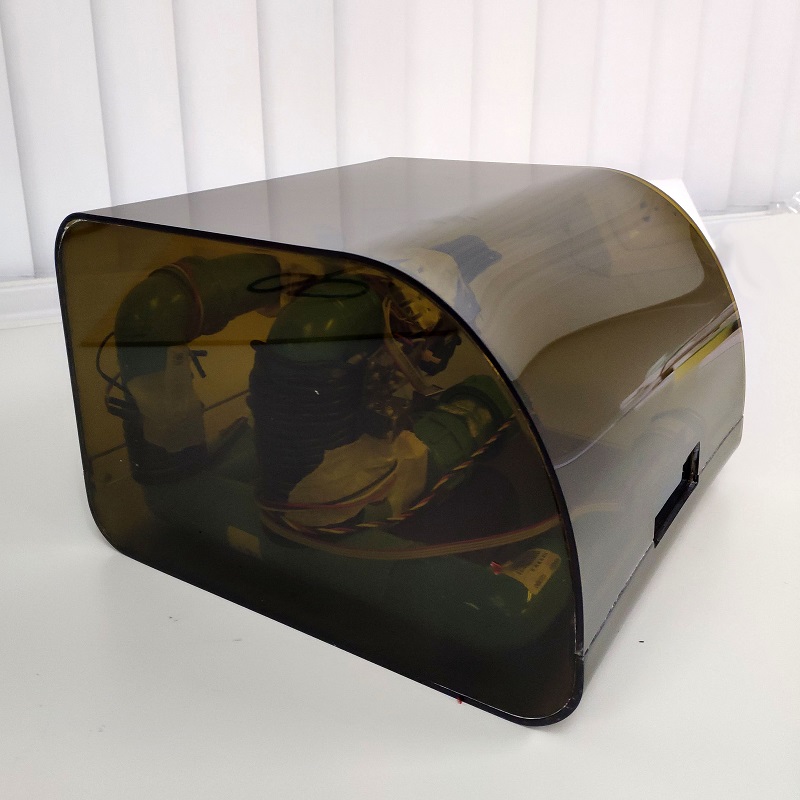
Cloud Technology for Water Usage Management Currently, the data collection for consumer water usage relies on manual labor, leading to high costs and an inability to gather real-time data. TSE has developed a cloud-based water usage management system to align with the "Smart Water Meter" innovation, an intelligent device for measuring and managing water. This device is equipped with sensors that measure water flow rates, allowing for monitoring of the plumbing system within residences and includes a switch for controlling the water supply. Users can track water usage and control operations via the "Smart Water Meter," which displays real-time usage data on a dedicated website. This system can be adapted to utilize the 2600 MHz frequency from the NBTC in the Smart City plans across various target areas.
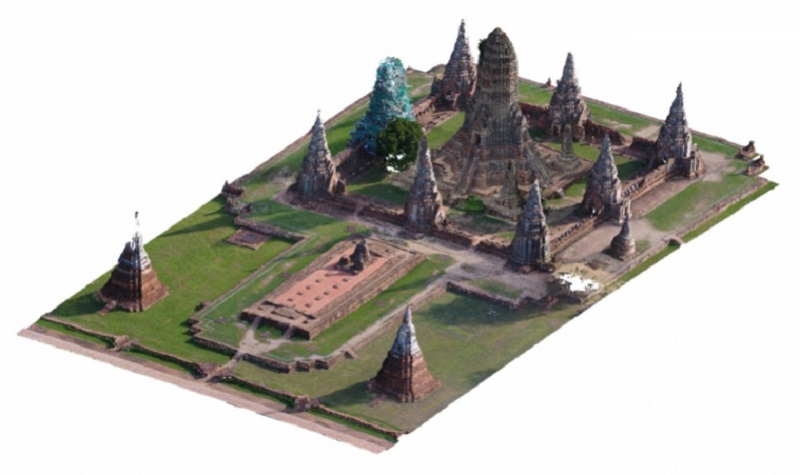
Creating 3D Models for Heritage Conservation Heritage sites are invaluable architectures, most of which are over 100 years old. Restoring these sites requires studying the original evidence to ensure the architecture and art closely resemble the original. TSE collaborates with the research project "Conservation of Heritage Structures Based on Engineering Principles" organized by the Research Fund Office (TRF) in Phra Nakhon Si Ayutthaya to gather detailed information and accurately assess the damage to heritage sites. This allows for timely planning for restoration and protection. TSE participates in sub-project 2, which involves surveying shapes through photography and creating 3D models to study the dynamic behavior of structures for 3D modeling. The overall outcome is to enhance tourism and cultural learning sites, improving the image of heritage tourism and cultural learning resources. The integration of heritage data from the Fine Arts Department, Ministry of Culture, represents a step towards Smart Government, a key component of Smart City.
"5G is a wave of technology that will transform every dimension. This technology can be applied in various sectors, such as the industry using AI in production processes to support a workforce that is likely to be scarce in the future. The agricultural sector can use IoT to enhance agricultural product efficiency, improving the quality of life for Thais towards a Smart Life. For Thailand, the National Broadcasting and Telecommunications Commission (NBTC) has scheduled a frequency auction on February 16, 2020, and if all goes according to plan, Thailand is expected to utilize 5G technology by June – July 2020."
Thank you for the information from: Department of Electrical and Computer Engineering, Faculty of Engineering, Thammasat University (TSE)