Misophonia and Annoying Sounds
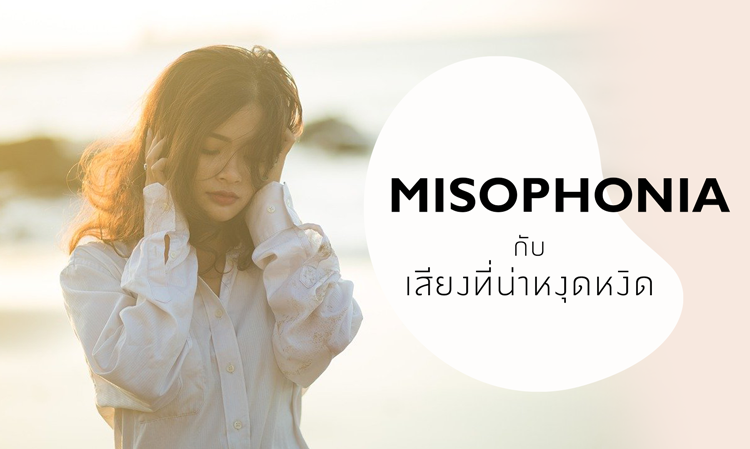
Having dinner and chatting with family might not seem like a particularly noisy activity, but for some individuals, just hearing the sound of someone swallowing, breathing, or footsteps can be enough to cause frustration. If you experience this, it means you are among those suffering from a condition known as misophonia.
Misophonia, or sound hatred, is a disorder characterized by an extreme sensitivity to sounds produced by others. Typically, these are sounds that people generally overlook, such as chewing gum, eating, breathing, clicking pens, typing on keyboards, or coins clinking together. These sounds can trigger a response known as the fight-or-flight response, leading individuals with misophonia to experience negative feelings, irritability, and even rage, compelling them to escape from the source of the sound. However, research on misophonia remains limited, and there is no clear evidence that it is a clinical disorder.
Efforts to validate whether misophonia is indeed a medical disorder led a research team from Newcastle University in the UK to discover that individuals with misophonia exhibit abnormalities in the functioning of the brain's frontal lobe and anterior insular cortex (AIC), areas associated with emotional regulation. This results in heightened sensitivity to specific sounds, referred to as "trigger sounds."
In their study, the researchers used Magnetic Resonance Imaging (MRI) to measure brain activity in volunteers with and without misophonia while listening to various sounds. These sounds were categorized into neutral sounds (like rain, boiling water, and café noise) and unpleasant sounds (such as a crying baby or screaming). The trigger sounds included breathing and chewing. The study found that trigger sounds elicited different brain responses in individuals with misophonia compared to those without the disorder, although no significant differences were observed with neutral or unpleasant sounds.
The functioning of the anterior insular cortex plays a crucial role in processing emotions and controlling responses to external stimuli. The test results indicated that when participants listened to trigger sounds, the brain images of those with misophonia showed significantly heightened activity in the frontal lobe and anterior insular cortex, particularly in areas responsible for long-term memory, fear, and various emotions. In contrast, individuals without the disorder exhibited increased activity in the anterior insular cortex but decreased activity in the frontal lobe. Additionally, researchers found that these trigger sounds might provoke physiological responses, such as increased heart rate and sweating.
The findings suggest that the abnormal functioning of these two brain regions and differences in connectivity patterns may lead to the medical validation of misophonia. Although misophonia currently lacks a formal medical diagnosis, the study provides concrete evidence that sound aversion, particularly to chewing or breathing sounds, is a clinical symptom. Researchers believe that these findings could aid in evaluating treatment options.
SOURCE : <\/strong><\/p>
Science Math Retrieved March 26, 2018, James Cartreine. (2017, April 27). Misophonia: When sounds really do make you “crazy”<\/em><\/p>
Retrieved March 26, 2018, ALEXANDRA SIMON-LEWIS. (2017, February 3). If you hate the sound of people chewing or babies crying you may have misophonia<\/em><\/p>
Retrieved March 26, 2018,
Misophonia.<\/em><\/p>
from https://en.wikipedia.org/wiki/Misophonia<\/p>
from https://www.health.harvard.edu/blog/misophonia-sounds-really-make-crazy-2017042111534<\/p>
from http://www.wired.co.uk/article/misophonia-condition-receives-clinical-recognition<\/p>