Techniques for Buying a New (Second-Hand) House According to Feng Shui
<\/p>
Deciding to buy a new house, especially a second-hand house, involves considering various factors such as decoration, location, price, suitability, and comfort. Additionally, it is essential to pay attention to purchasing a house that adheres to Feng Shui principles and is suitable for living.<\/p>
Good Feng Shui for a house is not just about interior decoration. If you are thinking of buying a second-hand house<\/span>, you should also have methods for selecting houses according to Feng Shui<\/span> to ensure a comfortable and prosperous living environment. Today, we have some prohibitions or things to avoid when purchasing a second-hand house. Check if any of the following points apply to your situation, and if they do, it is best to avoid them as they may lead to problems or obstacles for the residents in the future.
 <\/p>
<\/p>
House Shape<\/span> If the house has too many indentations or is in a prohibited shape like L, U, or H, this can create an imbalance of energy within the home.
House Facing a Temple<\/span> Abandoned houses, shrines, chimneys, and cemeteries are all considered detrimental features in Feng Shui, referred to as “Yin Qi”.
Tall Buildings Too Close to the House <\/strong> or houses surrounded by tall buildings are significant concerns. Such houses may have little to no energy entering them due to obstruction. Even if the direction is favorable, living there may not lead to prosperity (thus, do not assume that a good direction alone guarantees success; consider the surrounding environment as well).
 <\/span><\/strong>
Electric Poles, Large Trees, and Intersections <\/strong> Dead trees in front of the house should be avoided as they can bring negative energy into the home and affect the residents.
House Built on Excessively Raised Land <\/strong> or houses that are significantly lower than the road can impact all residents negatively.
Buy a Second-Hand House from a Successful Previous Owner<\/span> It is advisable to choose a house where the previous owner was highly successful or experienced good fortune, prompting them to move to a better location. If the previous owner won the lottery, that’s even better, as it indicates that this house has positive energy associated with good luck.
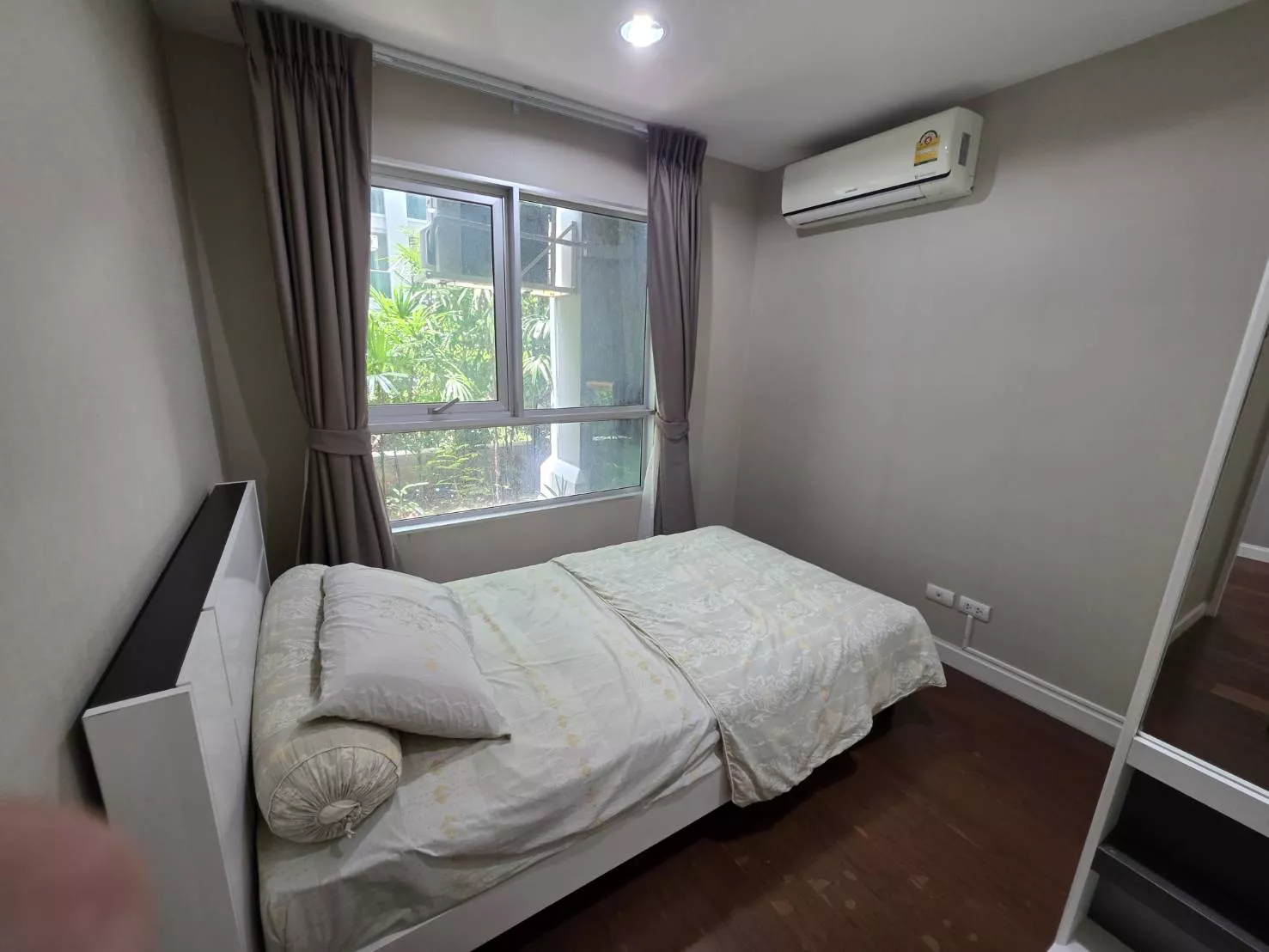
Room Placement Must Be Precise<\/span> A house with good Feng Shui should be lush and prosperous, with rooms arranged correctly. Bedrooms should not be near or connected to kitchens, garages, or laundry rooms, and kitchens should not be close to bathrooms or located beneath them, as these arrangements can negatively affect the residents' health.
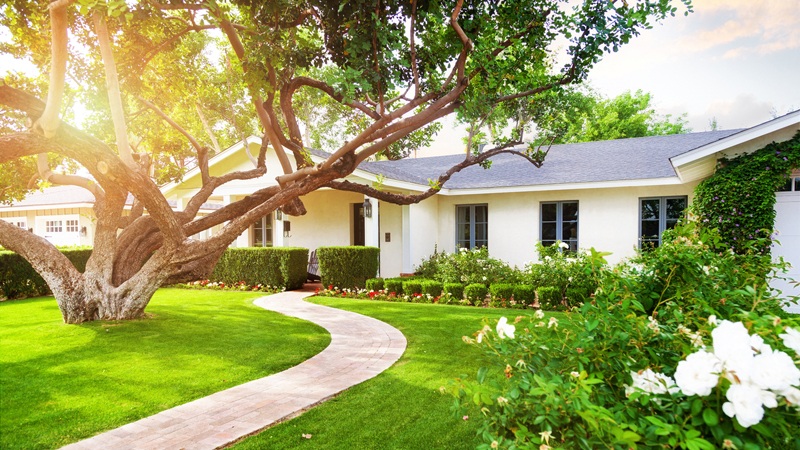
The Front Yard Must Be Open<\/span> If the front yard is spacious and open, it is considered a highly auspicious location, symbolizing diverse opportunities and openness for us to step forward.
 <\/p>
<\/p>
The Stove Should Not Be in the Northern Direction of the House<\/span> A crucial point not to overlook is that the northern direction of the house should not house the stove, gas, or any source of heat or cooking gas, as this is considered an omen that may negatively impact the head of the household or the men living in the house.
The most important aspect of buying a second-hand house<\/strong> is the long-term impact. This can be easily observed, such as businesses consistently losing money, or facing ongoing problems, or affecting family life, such as never experiencing happiness in marriage, living solely for work, or frequent daily arguments.
Before deciding to purchase a house, consider these good Feng Shui principles to ensure that everyone in the family can live in this house peacefully, prosperously, and successfully in their careers.
<\/p>
<\/p>