Opportunities for Thai Entrepreneurs in Investing in India
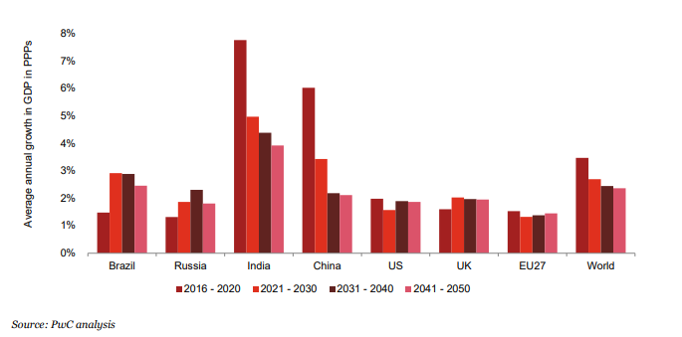
One of the largest economies that is currently attracting significant investment attention is India. This is evident from the fact that India's GDP has been growing at a remarkable rate over the past few years. India is also the second most populous country in the world, following China, with an average age of just 27 years. The majority of its population belongs to the middle class, which has seen an increase in average income due to higher education levels, resulting in a skilled workforce. Given this demographic structure, India has a large working-age population with high purchasing power, leading to rapid domestic consumption growth, making it a land of opportunities for investors and businesses worldwide.
Projected growth profiles for larger economies
At Terrabkk, we recognize the importance of the Indian market and have brought forth an analysis from the Department of International Trade Negotiations discussing "Opportunities for Thai Entrepreneurs to Invest in India" for everyone to understand. The opportunities for Thai entrepreneurs in India include:
1. Agricultural Products: Agricultural products are essential goods for consumers. Therefore, with Thailand's potential, it can invest in businesses related to agricultural products in India. If Thai farmers can develop the quality of agricultural products to meet standards and consumer demands, examples of agricultural products exported to India include mangosteen, rambutan, longan, guava, sweet tamarind, and young coconut.
2. Tourism: Thai entrepreneurs have opportunities to invest in this sector because India still lacks experience and confidence in related services. Additionally, India has previously invited Thai hotel operators to develop tourist sites in India several times, recognizing the potential of Thai entrepreneurs. For Indian tourists visiting Thailand, with good promotion, the target market of Indian tourists traveling to Thailand can expand significantly, as Indian tourists represent a large market that can stimulate Thailand's tourism sector, similar to Chinese tourists. Furthermore, developing tourism and services in the country to cater to Indian travel behaviors and culture can attract substantial funds from India, comparable to China.
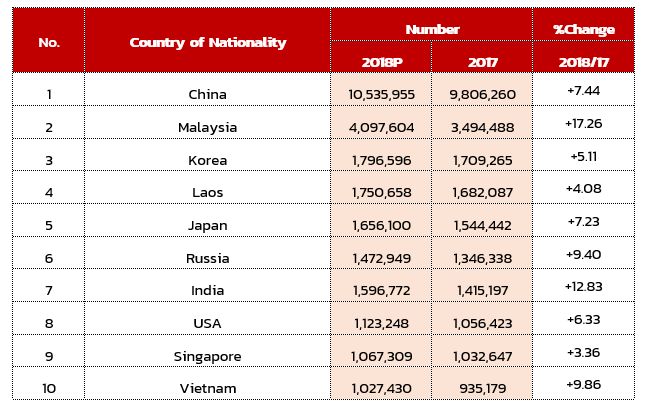
According to the Tourism and Sports Economic Division of the Ministry of Tourism and Sports, in 2018, India was among the top 10 countries with the highest number of tourists visiting Thailand, with a growth rate of Indian tourists ranking second, after Malaysia, which ranked first.
3. Development of Northeast India: India has set a strategy to promote and develop infrastructure in this area, starting with the important economic connectivity route between India – Myanmar – Thailand, which is a significant land link between India's large market and Southeast Asia. This presents a great opportunity for long-term economic cooperation, and if the infrastructure in this region is successfully developed in the future, it will become an effective border trade market and business area.
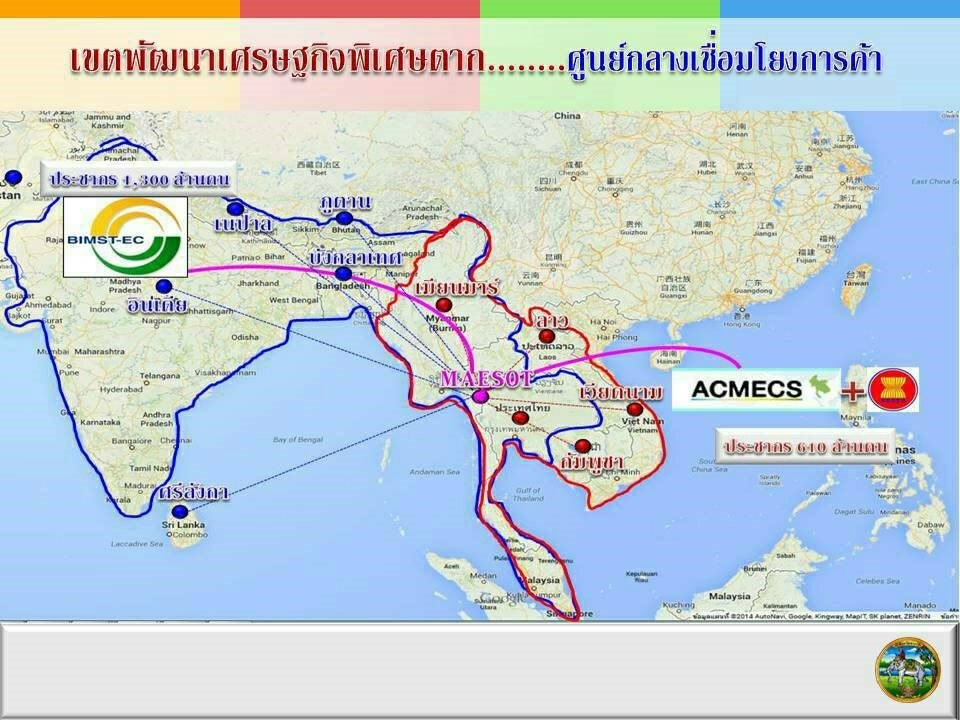
source : http://www.taksez.com/th/news/N0000438.html
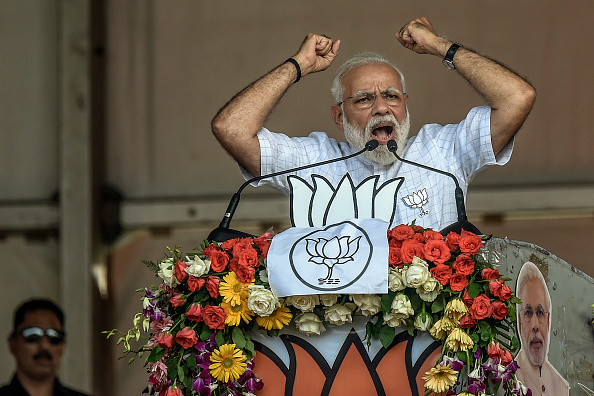
4. Countries Suitable for Investment: The implementation of the New India strategy focuses on improving the quality of life for citizens and promoting economic prosperity to develop India into a large market with significantly increased purchasing power. It prepares infrastructure to support business operations, creates skilled and affordable labor, provides good technology and innovation at low costs, and has laws that facilitate business operations. Additionally, in the recent elections held on May 23, 2019, Narendra Modi was re-elected as Prime Minister for a second term, indicating that the New India strategy under the previous government is likely to continue.
source : https://news.mthai.com/webmaster-talk/732567.html
5. Thailand, India, and APEC: Strategy for NewIndia@75 aims to achieve its policy by 2022, the year Thailand will host the APEC 2022 Thailand meeting. If Thailand and India can successfully reach an agreement for India to become a member of APEC in that year, it will further strengthen the relationship between the two countries.
However, investing in the Indian market presents certain challenges and obstacles in business operations, such as the current infrastructure, which, despite serious development efforts by government agencies, is still not adequately prepared to support foreign investment. This results in high production and distribution costs, along with issues related to intellectual property rights that lack serious enforcement.
Given the current economic uncertainty, it is evident that global trade and investment are constantly fluctuating. Therefore, Thai entrepreneurs should diversify risks by seeking new markets to replace old ones and establish strategies for investing in alternative countries. With India's policies supporting and facilitating foreign businesses, it demonstrates the opportunities for investing in various types of businesses, as the Indian market has diverse purchasing power. Moreover, Indians view products made in Thailand as high-quality goods, indicating a significant chance of success in investing and conducting business in India. Nevertheless, before investing, Thai entrepreneurs should understand Indian consumer behavior, study regulations, and survey the basic infrastructure in each area to align with the type of investment. Additionally, they should utilize personnel with expertise in all aspects of India, including politics, economics, religion, language, and culture, to develop long-term trade and investment relations with India.