What do you think about robots serving as hotel staff?
The hotel industry is one of the sectors that generates significant revenue for Thailand, with over 28% of total spending by tourists allocated for accommodation. Naturally, technological changes will also impact the hotel business. Recently, Amadeus (a technology developer in the travel industry) and IHG (which manages and owns over 5,600 hotels in more than 100 countries) revealed three future trends that will drive the hotel industry.
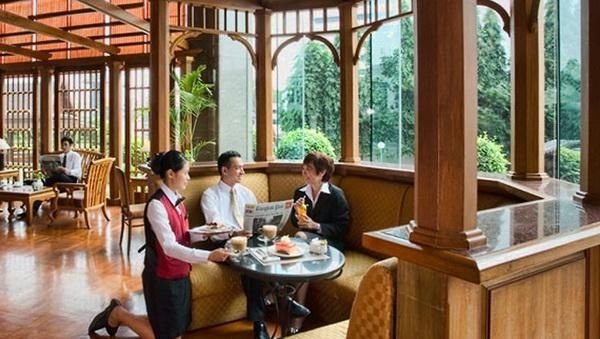
“Room types may no longer matter”
The common room types used in the hotel business, recognized by guests worldwide, still include categories like Single, Double, Twin, Suite, or Family Room. However, recent research may come as a surprise, as these familiar room types are set to change. A global survey shows that 61% of travelers want hotels to price rooms in a way that allows them to customize amenities, leading to the trend of “attribute-based booking”, where guests can choose specific amenities within their rooms. For example, they might request to replace a desk with a yoga mat or stream their own content on the room's TV, as well as request a room on the third floor with a view they prefer.

Today, consumers expect experiences that are more personalized, from the moment they search for a room until they check out. Therefore, the challenge that comes with this new trend in the hotel industry is the traditional IT systems that are often siloed and based on closed structures. The hotel industry often struggles to gather guest data and provide personalized services because most information is stored in a fragmented manner, leading to incomplete data systems. Cloud technology has been developed to address this issue, integrating various technology systems through an open platform, allowing hotel operators to access guest history and personal preferences from any service point.
The hotel industry in the world of AR
Another technology that many hotels are currently adopting is artificial intelligence (AI), which is used to create more personalized and memorable experiences for customers. In the future, these technologies will play a role in every step of the stay.
With voice-activated systems for room service requests, opening and closing curtains, setting alarms, or even requesting extra towels—if a guest says, ‘I want to work,’ the lights in the room will adjust, the TV will turn off, and the curtains will automatically open. Recently, Amazon has made a serious entry into the hotel market with the launch of Alexa for Hospitality, marking a turning point that makes AI technology more accessible and affordable for hotel operators. We may also see AI and smart rooms becoming the new standard in the hotel industry.
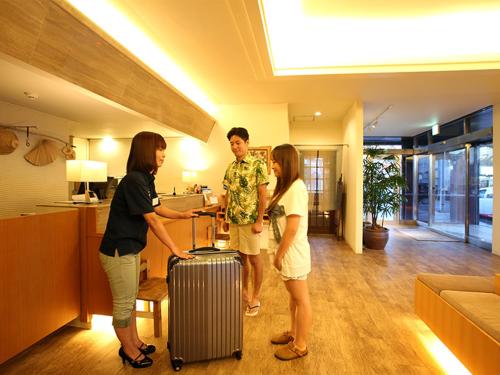
However, using service robots in smart rooms may not always be beneficial. Research shows that 42% of guests prefer using apps to book taxis, but over 67% still want to speak with hotel staff if they wish to provide feedback on services. The main reason is that humans can interact and express emotions. Therefore, to provide a better experience for guests, Thai hotels need to use technology to support the relationship between guests and hotel staff, rather than replacing human service with AI.

Creating memorable experiences in every dimension
What over 73% of travelers worldwide consider most important for their travels is hotels that foster brand loyalty by providing value through impressive and unique experiences. Typically, this exceptional service is found in luxury or boutique hotels, but most hotels can also create such impressions if they understand the overall experience of each guest on their trip, including their emotions, feelings, and hobbies. Hotels must be able to offer special services that exceed expectations. Over 70% of global travelers want additional recommendations from hotels about unique activities at tourist attractions, yet only 20% report receiving such recommendations from hotels. This indicates that the hotel industry does not necessarily need to rely solely on technology for management or use AI for 100% of services, but rather, it should continuously blend good relationships with guests with data-driven technology, which is crucial for hotels to find the best ways to make each guest feel special.
Thank you for the information from Amadeus and IHG.