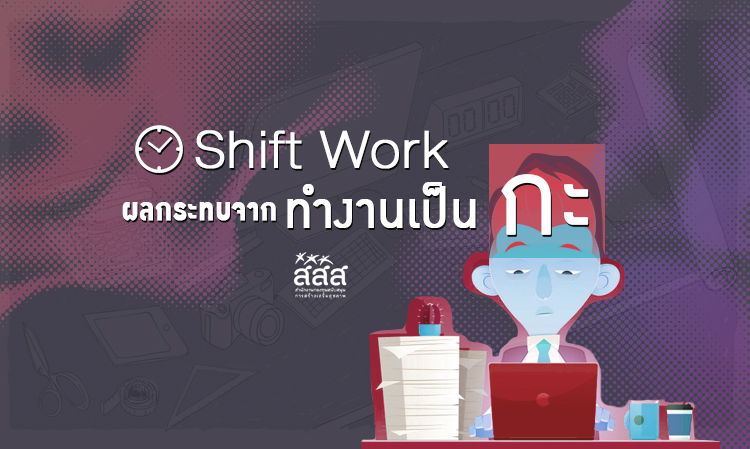
The Impact of Shift Work
Shift work can negatively affect health by disrupting eating and sleeping patterns, particularly for those working night shifts. This can lead to fatigue and exhaustion, directly impacting work performance and posing both short-term and long-term health risks.
Understanding Shift Work
Shift work is commonly found in places that operate 24 hours a day, such as hospitals, convenience stores, and airports. Workers in these environments often have schedules that do not align with the body's natural circadian rhythms, which typically dictate that daytime is for activity and nighttime is for rest.
How Should Shift Workers Manage Their Health?
Sleep is crucial; during off-shift periods, workers should ensure they get enough rest, aiming for 8 hours of sleep. Insufficient rest can impair cognitive function. It's also important to create a suitable sleeping environment, as daytime sleep can be disrupted by light and noise. Consider using blackout curtains and soundproofing to enhance sleep quality.
Regarding meals, those working night shifts should avoid heavy foods and only eat enough to stave off hunger, saving a hearty breakfast for after a full night's sleep. Upon waking in the afternoon, they should then have lunch and dinner as usual before their next shift. Eating nutritious foods is essential.
For exercise, night shift workers should avoid strenuous workouts that could lead to fatigue during work hours. However, those on morning or afternoon shifts should engage in regular physical activity.
When changing shifts, it is advisable to move forward in the schedule rather than backward, as backward transitions can increase fatigue and sleep deprivation. For example, transitioning from a morning shift to an afternoon shift is preferable to switching from a night shift back to an afternoon shift. Additionally, avoid changing shifts weekly; instead, aim for every 2-3 weeks or every 2-3 days.
Time management is crucial for shift workers, as their schedules often do not align with others, limiting social interactions and family time. Therefore, planning and allocating time effectively is essential for maintaining mental health.
Effects of Shift Work
Shift work impacts health both in the short and long term.
- Short-term effects include feelings of fatigue, tiredness, and drowsiness during work hours, which can reduce work performance and increase the risk of workplace accidents.
- Long-term studies indicate that shift workers are at a higher risk for certain health issues compared to others, such as heart disease, stroke, cognitive decline, muscle fatigue, muscle pain, chronic stress, insomnia, and obesity.
Therefore, shift workers should prioritize their health and establish routines that accommodate their unique lifestyles, focusing on nutrition, sleep, and various activities to maintain both physical and mental well-being.
Thank you for the information from www.thaihealth.or.th