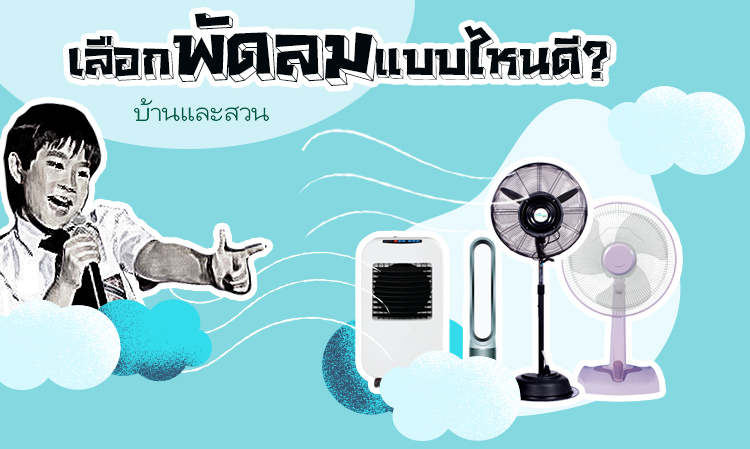
Which Fan Should You Choose?
Fans available in the market, whether electric fans, air coolers, or mist fans, are all electrical appliances that help cool down during hot days when the sun is blazing and the temperature shows no signs of dropping. Therefore, fans are among the top choices that can be considered essential household appliances, found in every home.
However, there is still some uncertainty about whether an air cooler is better than a mist fan or if a traditional blade fan is sufficient. How do these types differ in terms of functionality? What are the price ranges? If you're still undecided, let's consider each option step by step.
Blade Fan (Electric Fan)
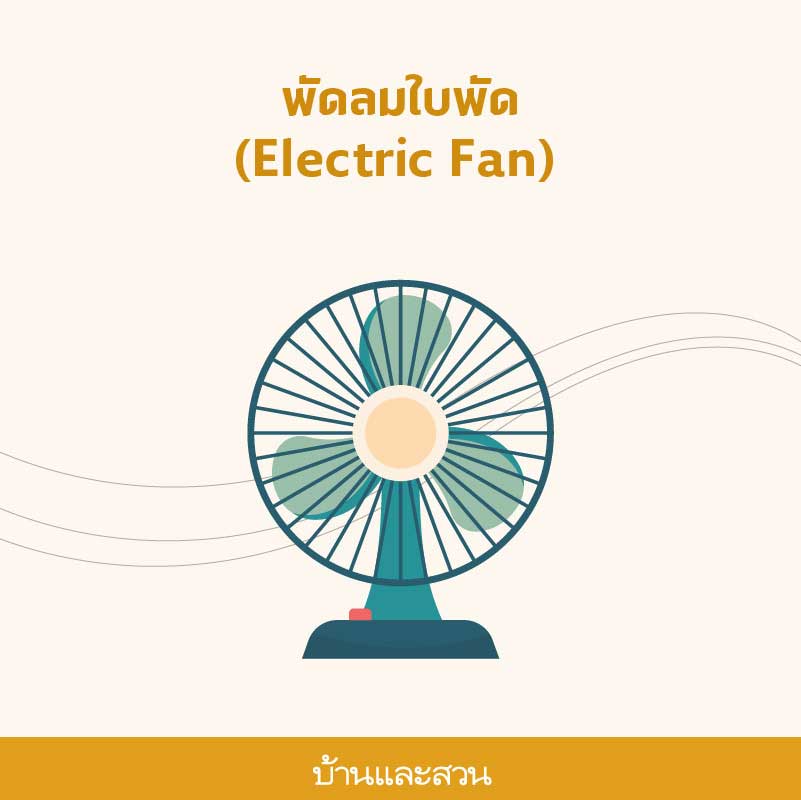
The blade fan is a traditional type that has been in use for a long time and is well-known. It comes in various forms, including table fans, floor fans, ceiling fans, wall-mounted fans, and exhaust fans. The blade fan operates using electricity that flows into a motor. The motor inside the fan is of the centrifugal flow type; when electricity is supplied, it causes the motor shaft to spin the attached blades, generating airflow. Nowadays, advancements have made it possible for fans to produce stronger yet gentler airflow, providing a comfortable experience. Additionally, many models now come with remote control and Bluetooth connectivity for added convenience.
Blade fans have several advantages and disadvantages. They are inexpensive, easy to find, and if they are table or floor models, they are often lightweight and easy to move. Wall-mounted and ceiling fans help save space and can be used continuously for long periods. However, regular maintenance is necessary to keep the blades, front and back grills, and the motor's air vents clean to ensure the fan operates at peak efficiency.
Bladeless Fan (Bladeless Fan)
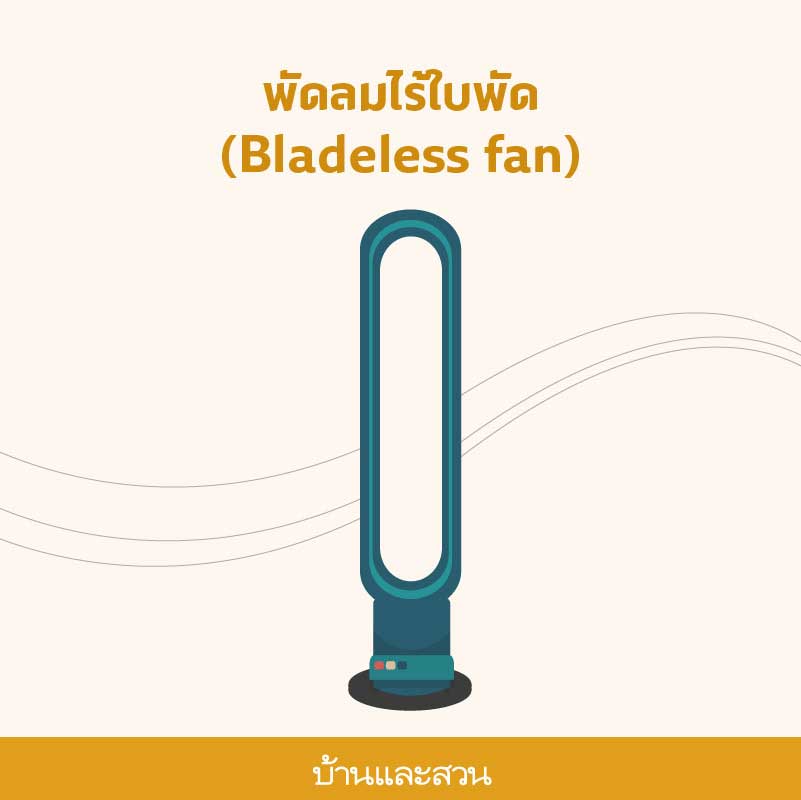
Bladeless fans represent a new technology that gives fans a different appearance from what we are used to. The motor draws air into the unit and accelerates it through an internal ring channel, creating a stream of air that is expelled from the ring-shaped outlet. This design eliminates the need for a protective grill, making it safe to use and easy to clean. The Dyson brand has popularized this type of fan, incorporating modern technology that includes air purification functions, with the ability to detect fine dust particles and absorb harmful volatile substances in the air.
The first clear advantage is that it not only cools but also enhances air quality by absorbing fine dust particles, benefiting the health of residents. Its modern design makes it an attractive addition to home decor. However, the airflow is relatively gentle, making it suitable for use alongside air conditioning in areas where the cool air does not reach. Additionally, the price reflects the variety of functions available.
Air Cooler (Air Cooler)
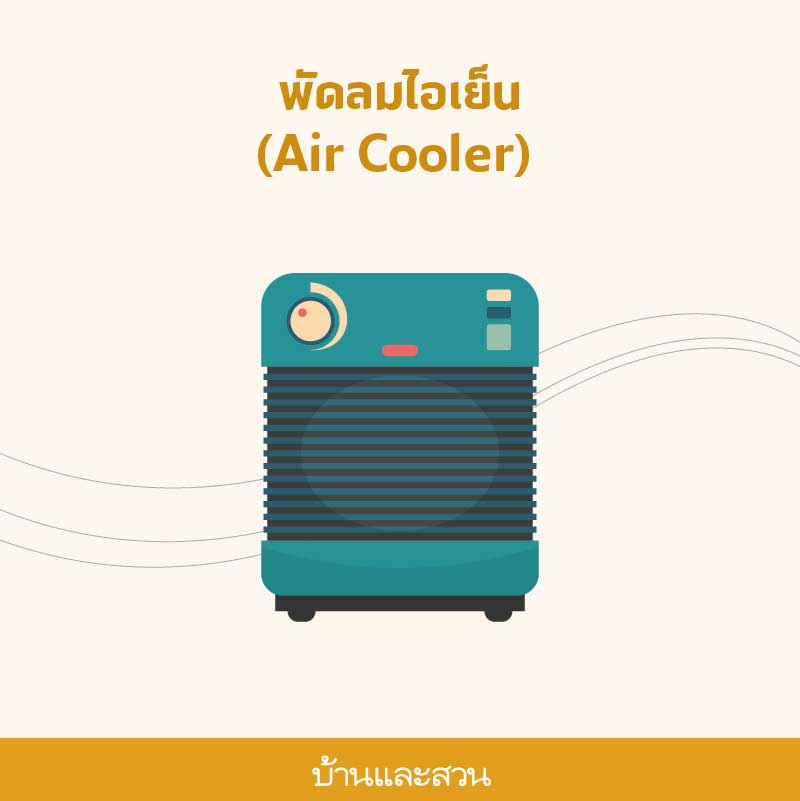
Another popular option for cooling down is the air cooler, which differs from mist fans in its internal operation. Air coolers work using Evaporative Cooling Systems, which draw heat from the air and pass hot air through a Cooling Pad or cooling plate that contains cold water (which must be kept filled). The water on the pad evaporates, pulling heat from the air and producing cool air. This system is similar to that used in greenhouses to control temperature.
The advantages of air coolers are quite appealing. They are compact, easy to move, and are generally priced reasonably. There are various models based on airflow capacity and water storage, which correlate with the number of hours they can operate. The ideal location for using an air cooler should be well-ventilated to prevent moisture buildup, which can be a breeding ground for germs. Regular cleaning of the cooling pads is necessary to prevent mold, and they are not suitable for large rooms as they only distribute air in the direction the airflow is directed.
Mist Fan (Mist Fan)
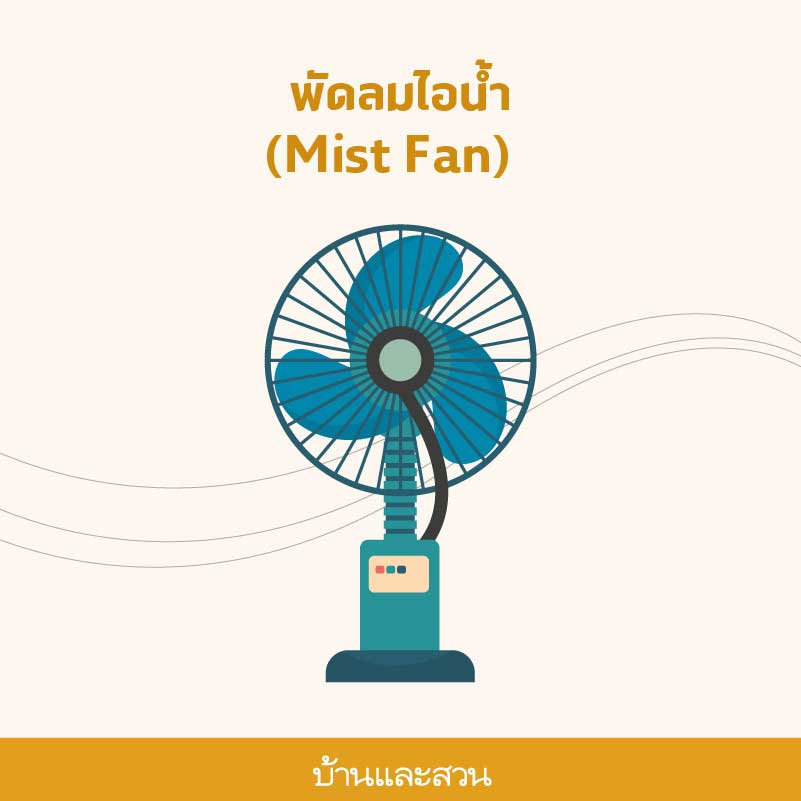
Often referred to as mist fans, these devices resemble blade fans but have a water tank at the bottom. They operate similarly to misting systems, creating mist by drawing water from the tank using a high-pressure pump and dispersing it through a mist nozzle with tiny holes to create droplets. In this process, the mist absorbs heat from the surrounding air, cooling it down. The mist nozzle has holes that are only 0.1 to 0.4 millimeters in size, allowing for rapid dispersion without feeling damp. Increasing the fan speed allows the mist to reach further, creating a cooler environment over a larger area.
The clear advantage of mist fans is their ability to be used outdoors, such as in gardens or other outdoor spaces. With strong airflow and the ability to disperse mist over an area of up to 90 square meters (depending on the model), they come in both portable and permanent installation options. However, due to their moisture-enhancing cooling system, they are not suitable for small, enclosed spaces, as this can lead to dampness and a breeding ground for germs.
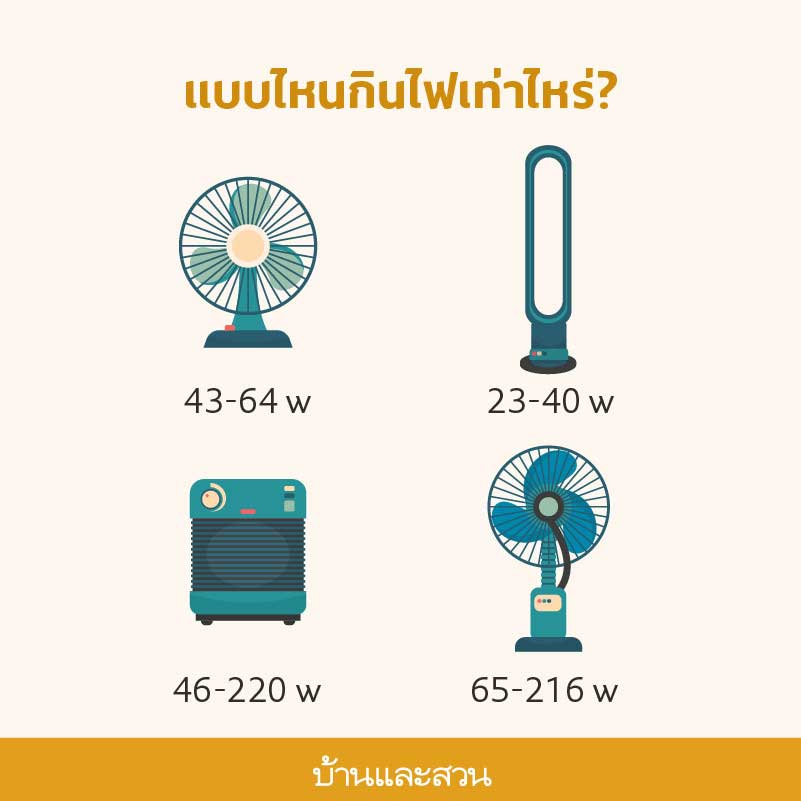
Power Consumption Comparison
Price Differences
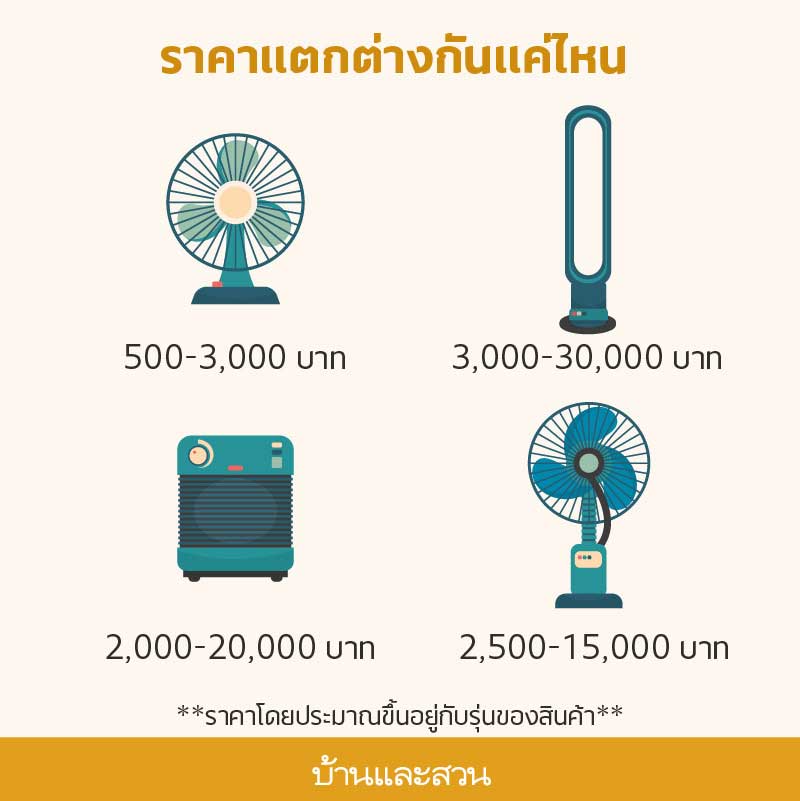
**Prices may vary depending on the model.
Cooling Radius
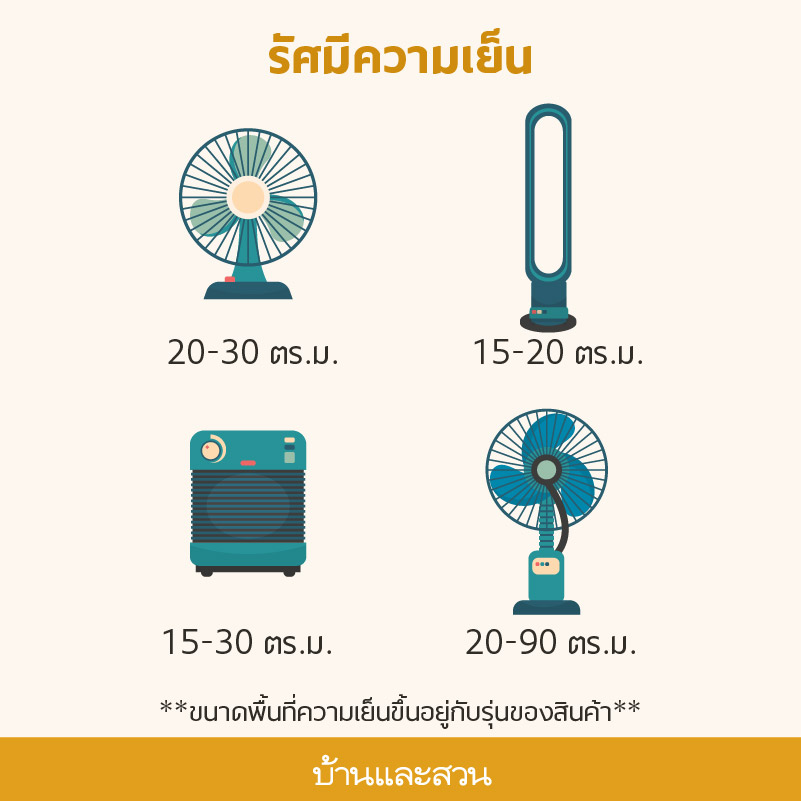
**Cooling area size depends on the model.
Thank you for the information from www.baanlaesuan.com