Let's Get to Know Popular Cleaning Agents Used in Household Tasks
In every household task, whether it's cleaning or eliminating odors, we rely on various cleaning agents and materials to assist us. Each substance has its unique properties, and importantly, many of them have names that can sometimes be difficult to pronounce or confusing, leading to mix-ups or forgetfulness.
my home introduces you to popular cleaning agents used in the production of cleaning solutions, the companions of various household tasks. This way, when you go to buy ready-made cleaning products, you'll have a clearer understanding of the properties of each substance, allowing you to choose the right and safe options or even mix your own new formulas for household use.
1. Lye (Sodium Hydroxide)
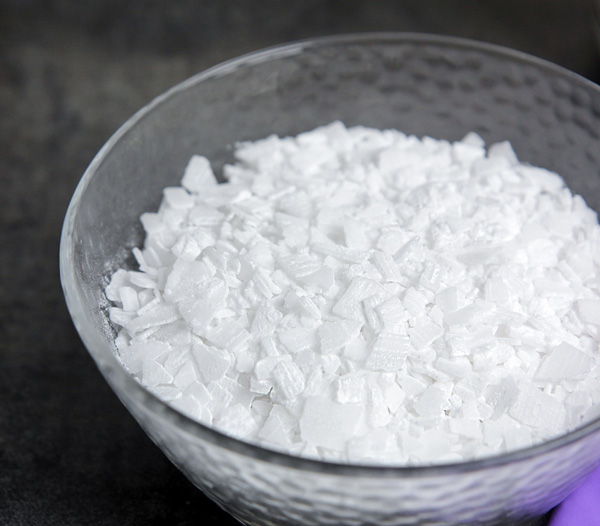
Lye, or sodium hydroxide, is often used when there are severe clogs in plumbing. The lye you buy from hardware stores typically appears as a white solid with no odor. When using it for drains, it must be mixed with water and stirred until fully dissolved. This step requires great caution, as the more concentrated it is, the hotter it becomes, which can irritate the skin, eyes, and respiratory system. Additionally, you must check what caused the clog, as lye can only be used on grease, soap, or detergent residues. If the clog is due to mineral deposits or limescale, it should be avoided.
2. Baking Soda (Sodium Bicarbonate)
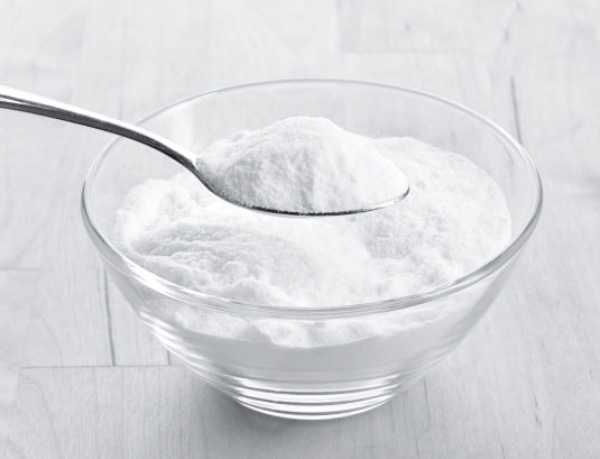
Baking soda, or sodium bicarbonate, is an indispensable helper in household tasks. This white crystal can assist with cleaning, stain removal, and odor neutralization. Many DIY cleaning solutions rely on it. Importantly, it is safe for skin and food. Some may confuse baking soda with baking powder, which is used in cooking; the difference is that baking soda is just one component that must be combined with acidic substances and flour to create baking powder.
Benefits of Baking Soda Beyond Baking
Various Uses of Baking Soda You Should Have at Home
3. Washing Soda (Sodium Carbonate)
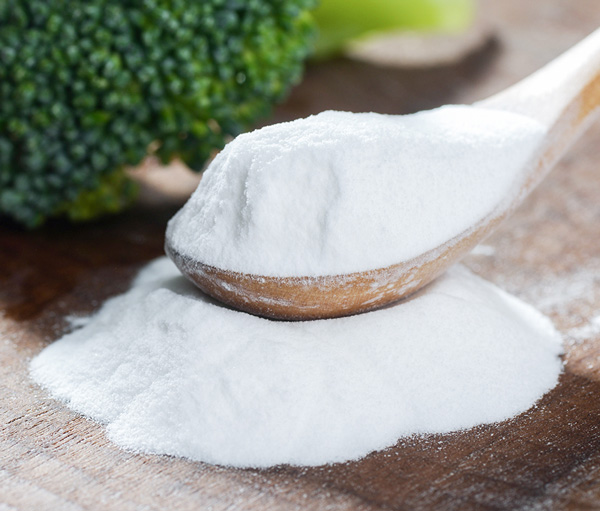
Washing soda, also known as sodium carbonate, can easily be confused with baking soda due to their similar names. It is also referred to as soda ash and appears as a white powder with no odor, capable of absorbing moisture and dissolving well in water. It is commonly found in laundry products or detergents, allowing homemakers to use this substance in DIY laundry products. Just remember to wear gloves and be cautious during mixing.
4. Rubbing Alcohol (Isopropyl Alcohol)
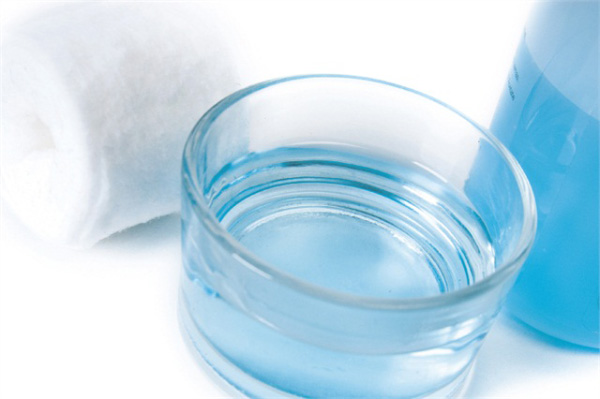
Rubbing alcohol, or isopropyl alcohol, is commonly known as antiseptic alcohol. It is well-known for its ability to kill germs, making it a common ingredient in various cleaning and disinfecting solutions that can be used on furniture, household items, and surfaces. Typically, rubbing alcohol is a clear liquid with no odor, but the blue color seen in some products is added to differentiate it from ethyl alcohol, which is safe for consumption.
5. Table Salt (Sodium Chloride)
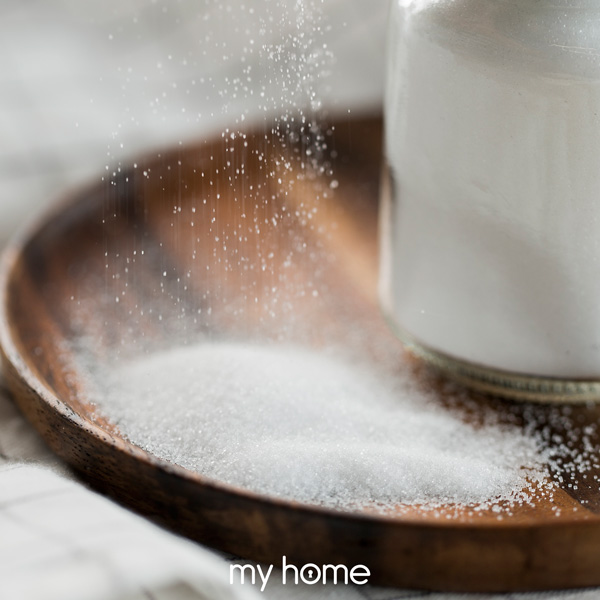
The primary use of table salt, or sodium chloride, that most homemakers are familiar with is for seasoning and preserving food. However, table salt or sea salt has many other benefits, especially in cleaning. It can be used to wash fruits and vegetables, clean skin, and remove stains from kitchenware, silverware, or shiny surfaces. It is indeed a natural ingredient that should be kept at home for various uses.
6 Types of Salt Used in the Kitchen That Are More Than Just Salty
6. Vinegar (Acetic Acid)
Vinegar, or acetic acid, is a compound found in vinegar that gives it a sour taste and pungent smell. Although it sounds similar to citric acid found in citrus fruits and has a similar sour taste, they are different substances. This acid becomes a weak acid when dissolved in water, as vinegar contains only 5% acetic acid, making it safe for use. If there are clogs in pipes due to stubborn mineral deposits like limescale, vinegar can be used to remove these stains. Additionally, it can clean fabrics stained with alkaline substances, such as yellow stains or gum residue.
7. Borax (Sodium Borate)
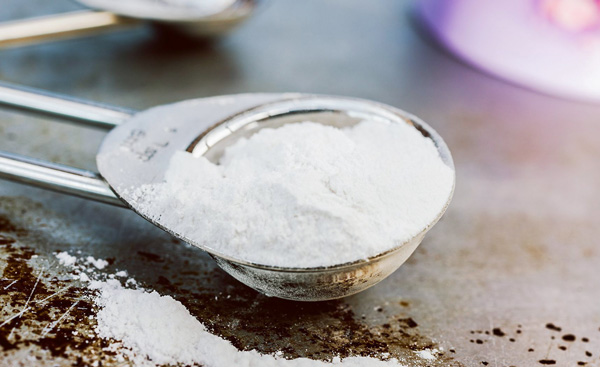
Borax, or sodium borate, has several names, including gold binder, crisping powder, or peengsa. It appears as a white, opaque powder that dissolves easily in water. While borax should not be used with food, it is a star ingredient in cleaning products. It is commonly found in soap and toothpaste, but for household tasks, it can be used for various purposes, including cleaning kitchens, bathrooms, glass, solving clogging issues, removing rust and stains, and repelling insects and rodents. When used appropriately, it is indeed a versatile and beneficial substance.
8. Hydrogen Peroxide
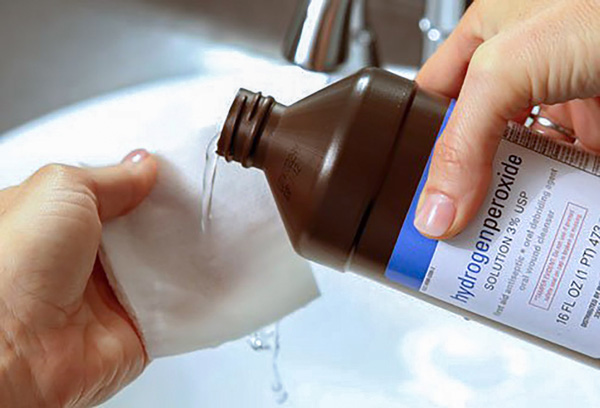
Finally, we have hydrogen peroxide, a clear liquid that resembles water but is slightly thicker. This substance has bleaching properties and is a cleaning agent that helps kill germs. It is sometimes used to clean wounds and skin. Additionally, it can be used to make mouthwash. For household tasks, it can be mixed with water to soak white fabrics and clean glass to a sparkling finish. Adding liquid soap can create a multipurpose cleaner that eliminates unpleasant odors.
Thank you for the information from www.baanlaesuan.com