Should You Hire an Interior Designer for Your Home Decoration?
In addition to the exterior appearance of a building and landscaping, the beauty of a home is significantly enhanced by its interior decoration. Many homeowners prioritize this aspect.
However, not everyone can create a beautiful, comfortable, and functional interior space. This leads many homeowners to seek someone to help them achieve a harmonious design within their homes, which is where an interior designer comes in.
Who is an Interior Designer?
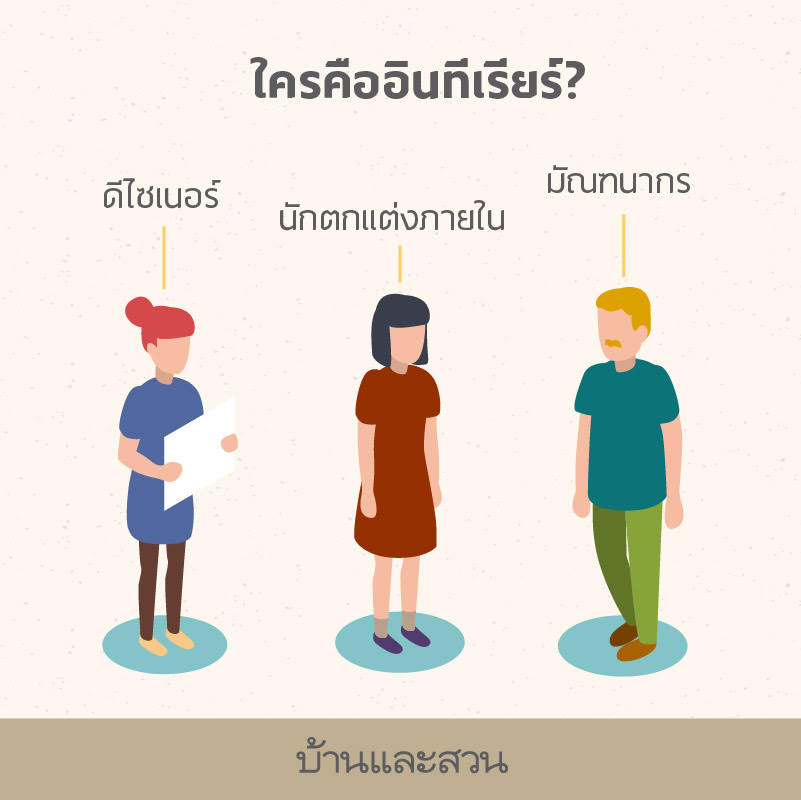
An interior designer, often referred to as an "interior", is responsible for designing the interior spaces of buildings (Space) by selecting appropriate materials and creating designs that meet functional needs (Human Scale) while adhering to aesthetic principles (Arts). The role of an interior designer differs from that of an architect, whose role is to design the overall structure of the building and collaborate with engineers, contractors, and interior designers who focus on interior decoration.
Interior designers must be knowledgeable about designing interior spaces. Most often, they hold degrees in Interior Architecture and Design Arts but in some cases, individuals without formal education in this field but with design skills can also pursue this profession.
However, for designing public spaces larger than 500 square meters, designers must possess a license in architecture, specifically in interior architecture and design arts from the Council of Architects, according to the Ministry's regulations (2006) regarding controlled architectural professions.
During the design process, both architects and interior designers must collaborate to ensure that a home is beautiful on the outside and comfortable on the inside. However, in cases such as housing projects or condominiums that require completion of construction before interior designers can begin their work, designers will inspect the site during construction to ensure that electrical and plumbing systems are appropriately designed for the homeowner's needs and facilitate beautiful interior decoration.
How Much Should You Budget for Interior Decoration?
When planning to decorate your home, the first thing to communicate with your interior designer is your wants, such as your preferred aesthetic style, the activities your family engages in at home, and your budget for interior decoration.
A basic calculation for budgeting for interior decoration suggests allocating 30% of the home's price for interior space allocation. This budget of 30% of the home's price will cover the designer's fees, materials, built-in and loose furniture, and labor costs. The interior decoration budget can be adjusted according to convenience, allowing homeowners to hire only the designer for the design phase and find contractors themselves, or entrust the entire process to the designer, depending on mutual agreements.
How is Interior Design Fee Calculated?
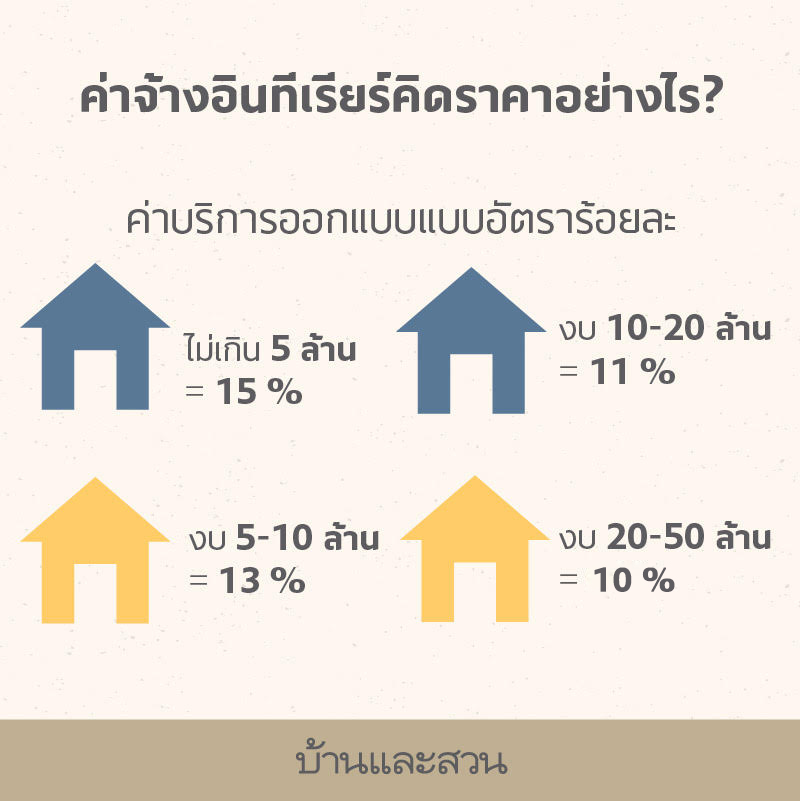
Regarding design fees, the Association of Interior Designers of Thailand (TIDA) has established standard rates for professional services, which are categorized into three types: percentage of project cost, hourly rate, and lump sum. Generally, the design fee is calculated as a percentage based on the type of building, divided into four categories. Residential homes and apartments fall under category two, with the following fee structure:
Interior budget up to 5 million = 15% service fee
Interior budget 5-10 million = 13% service fee
Interior budget 10-20 million = 11% service fee
Interior budget 20-50 million = 10% service fee
Interior budget 50-100 million = 9% service fee
Interior budget 100-200 million = 8% service fee
Interior budget 200-500 million = 7% service fee
Interior budget over 500 million = 5% service fee
When Should You Pay the Fees?
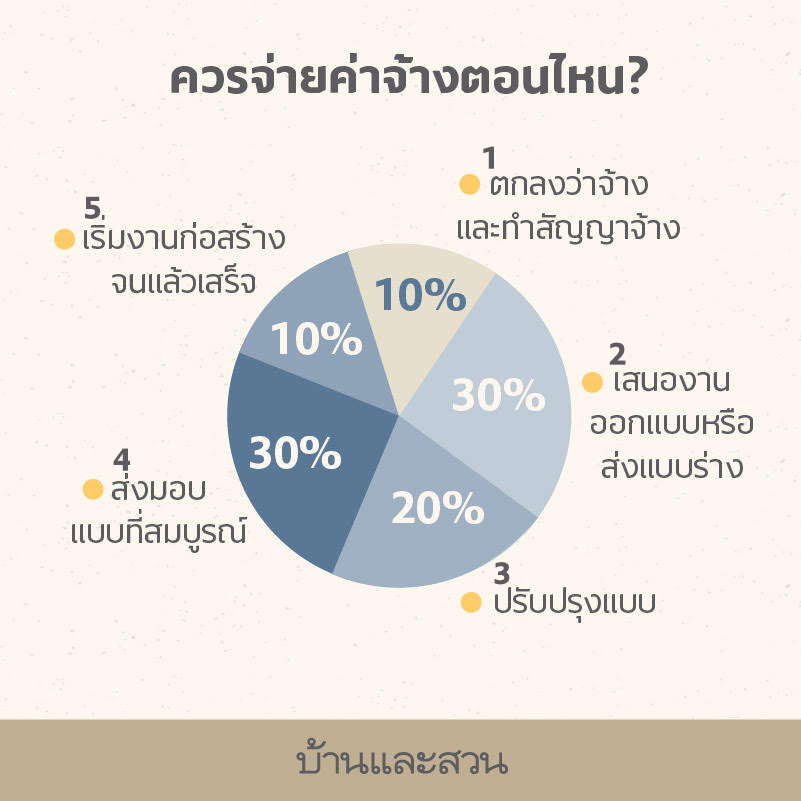
It is rare for homeowners to agree to pay a large sum upfront before work begins, as this poses a high risk of "running away". Whether hiring for home construction, renovations, or decoration, payments should be made in installments. According to the standards set by the Association of Interior Designers of Thailand regarding the practice of interior architecture and design arts in 2008, the payment schedule is as follows:
10%: Upon agreement and signing the contract
30%: Upon presentation of design work or initial drafts which are based on collected information, analysis, and creativity to achieve an aesthetic that the homeowner appreciates.
20%: Upon revision of the design After the initial design presentation, homeowners can provide feedback for the interior designer to adjust the design accordingly, selecting material specifications to ensure the best outcome.
30%: Upon delivery of the final design After the design has been finalized, the next step is to hand over the design to the contractor for actual construction. If the homeowner finds their own contractor, this will conclude the designer's role, but often the designer will oversee the construction process until the home is completed and ready for occupancy (depending on the agreement between the homeowner and the designer).
10%: Upon commencement of construction until completion When the contractor begins the interior decoration according to the design, the interior designer will continue to monitor the progress and ensure that the construction aligns with the established design.
Always Have a Contract
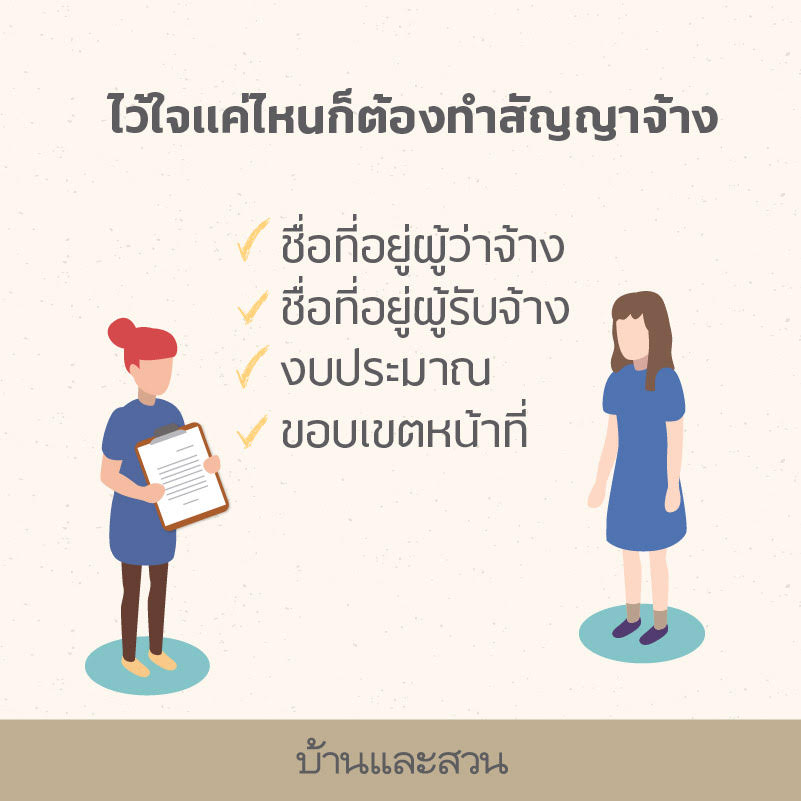
Being cautious is crucial. Even if the interior designer you choose is a friend, a recommendation, or someone you trust, it is essential to have a written contract for clarity and peace of mind for both parties. The contract should specify the names and addresses of both the client and the contractor, the budget, payment terms, and the scope of the designer's responsibilities clearly.
When Should the Feng Shui Master and Homeowner's Mother Be Involved?

Referring to a Feng Shui master as a lifelong adversary may not be entirely accurate, as Feng Shui incorporates scientifically verifiable elements that directly affect the residents of a home. However, issues often arise after construction is completed, requiring adjustments, demolitions, or additions (for auspiciousness), which can be a headache for many interior designers.
In cases where "Feng Shui" is unavoidable, homeowners should communicate with the interior designer during the initial design phase to allow both parties to collaborate and make timely adjustments. If this is delayed until after construction, any necessary demolitions will incur additional costs and delay project delivery.
As for the homeowner's mother (who often brings the Feng Shui master into the home), she may resist discarding old furniture that clashes with the new interior design. For designers, this can be a frustrating situation that may lead to the desire to create a hidden storage space for those items (sometimes homeowners feel the same way). This issue should be collaboratively resolved among all three parties, as some pieces of furniture may hold sentimental value as well.
Thank you for the information from www.baanlaesuan.com