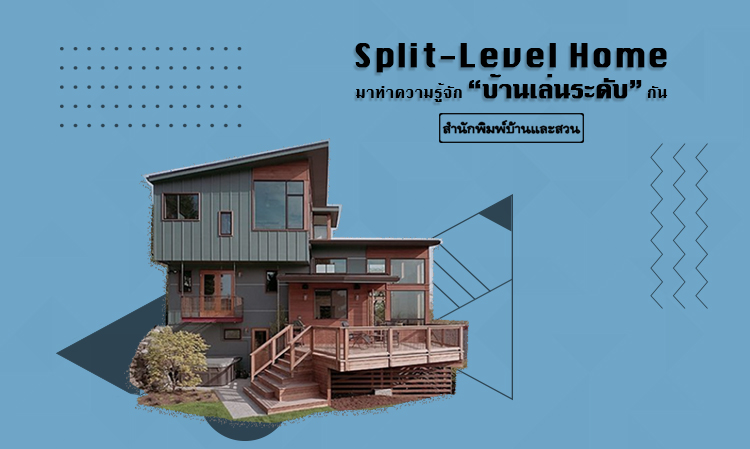
Understanding Split-Level Homes
Split-Level Homes: A Long and Narrow Space Solution Dividing rooms can serve functional purposes, but if you desire an open and airy space with good air circulation, splitting the levels of a home without walls is a great alternative. Split-level homes
Split-level homes utilize a few steps to create distinct functional areas while still maintaining a cohesive space. This design also offers various creative opportunities for home decoration.
<\/p>
 <\/p>
<\/p>
<\/p>
Where Did Split-Level Homes Begin?
Split-level homes originated in the 1930s in the United States due to the increasing need for usable space in smaller homes. This design involved creating a basement that was partially above ground and adding windows for natural light, allowing for a gradual ascent to each room, thereby increasing the number of rooms without expanding the land size. This approach maximizes both horizontal and vertical space usage.
Split-Level Homes in Thailand
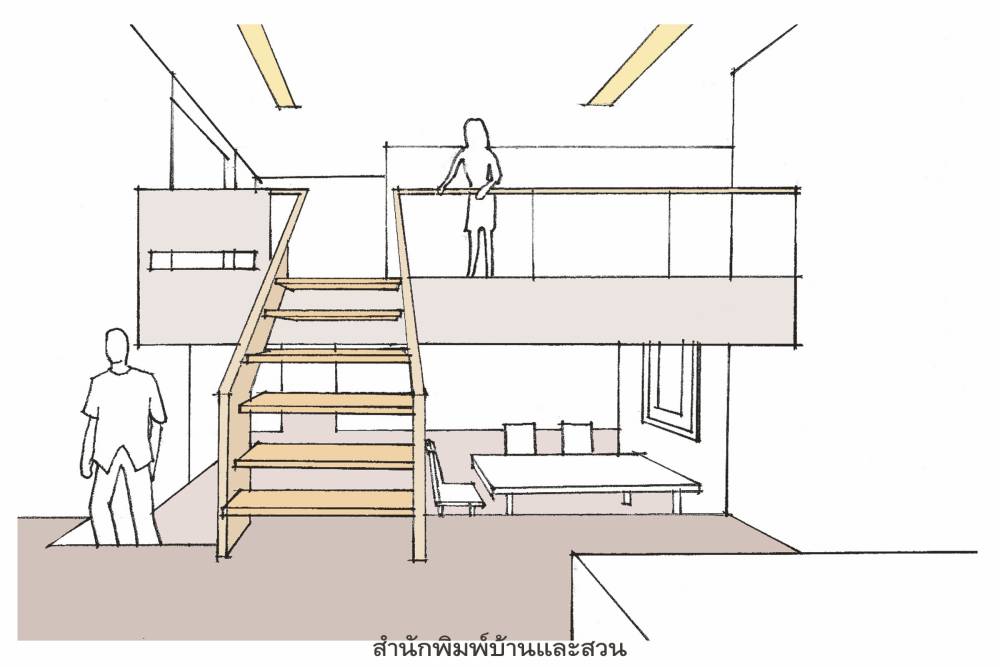
While basements are not common in Thai homes like in America, the concept of split levels has been adopted to enhance usable space, making construction more budget-friendly compared to traditional multi-story homes. This design allows for functional separation without feeling cramped, as the entire home feels interconnected. The height between levels is also less than that of standard staircases, making it easier for the elderly to navigate. Beyond functionality, split-level homes add a playful dimension to the living space.
<\/p>
 <\/p>
<\/p>
<\/p>
Split-Level Homes and Structure
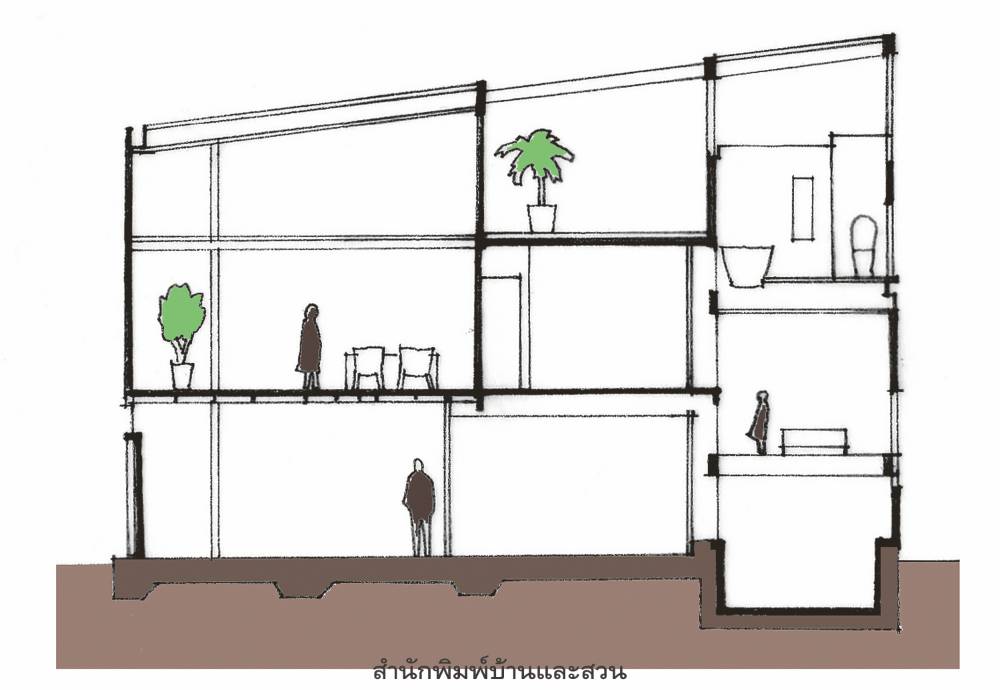
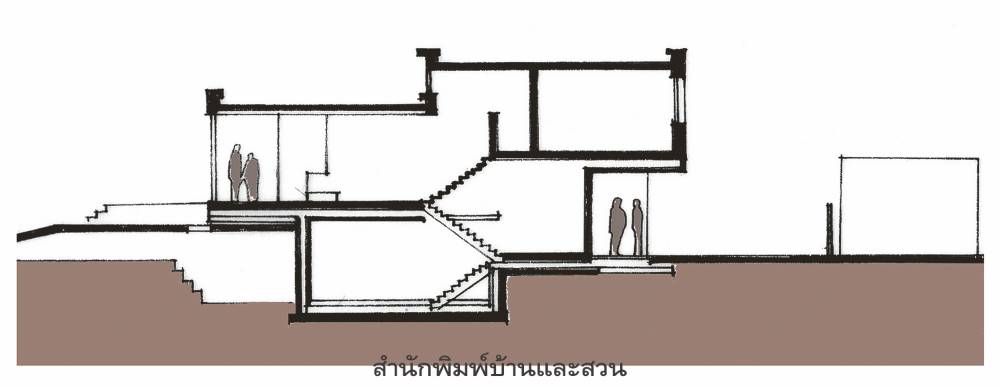
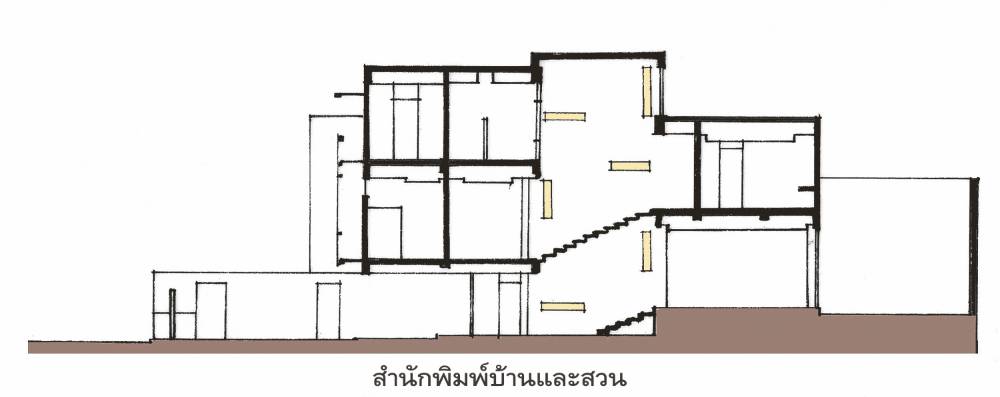
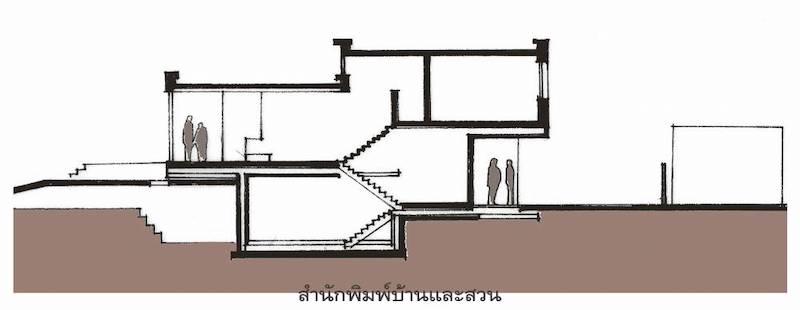
Building a split-level home requires careful structural planning, particularly in laying out beams to support different levels. Considerations include ensuring that the height from the floor to the ceiling in all rooms and stair areas is sufficient for comfortable passage without bumping heads. Levels can be divided left-right, front-back, or with a central hall leading to each floor, depending on user preferences, land shape, and house design.
 <\/p>
<\/p>
 <\/p>
<\/p>
 <\/p>
<\/p>
<\/p>
 <\/p>
<\/p>
<\/p>
Split-Level Homes and Stairs
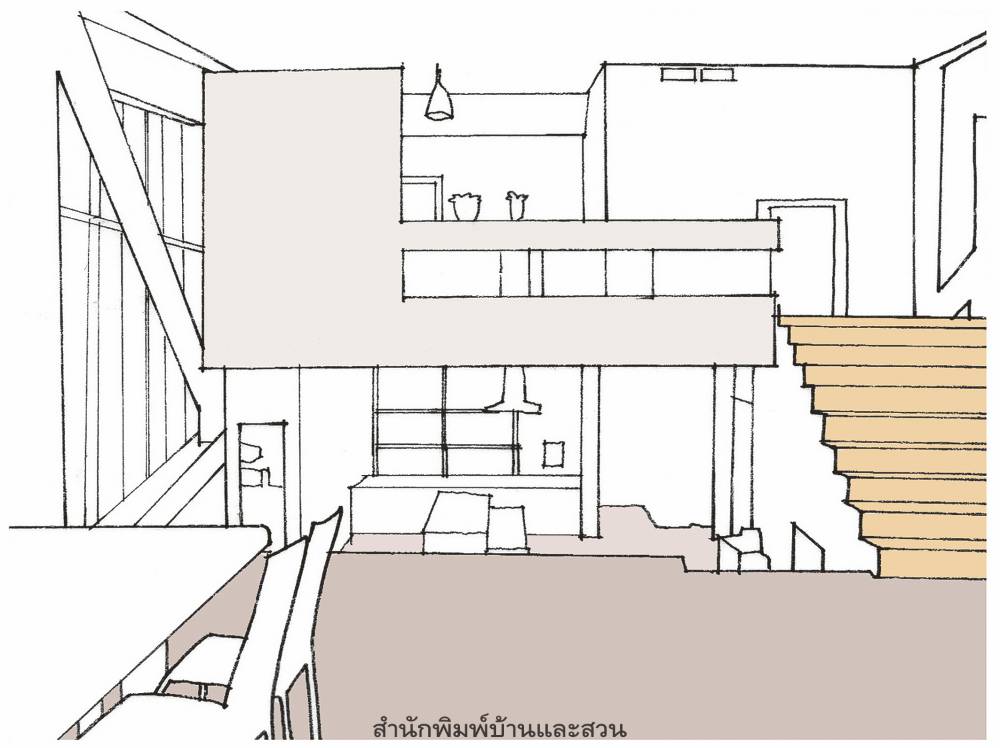
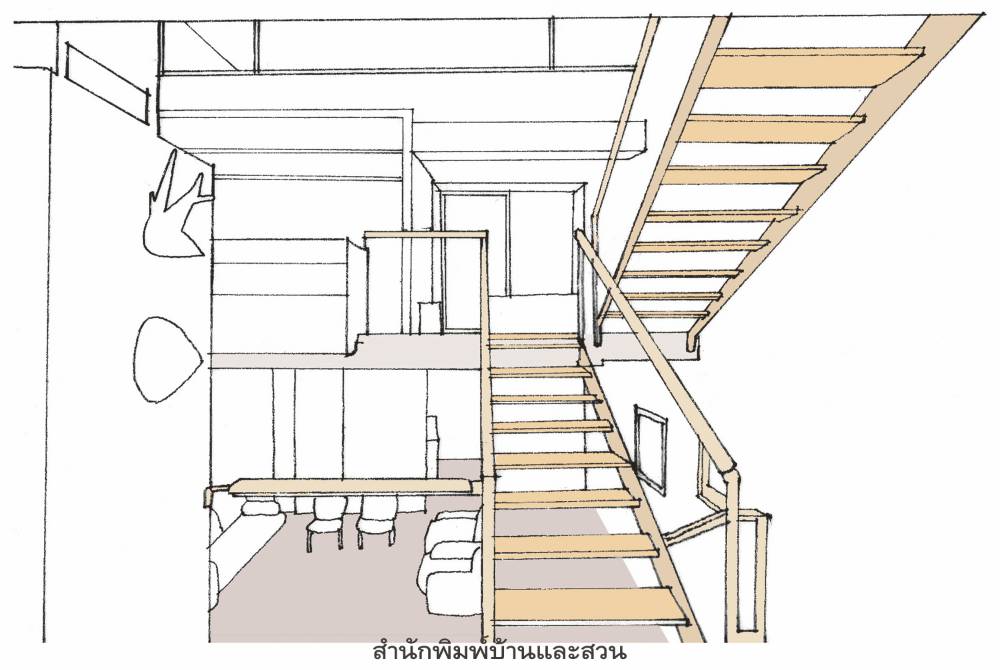
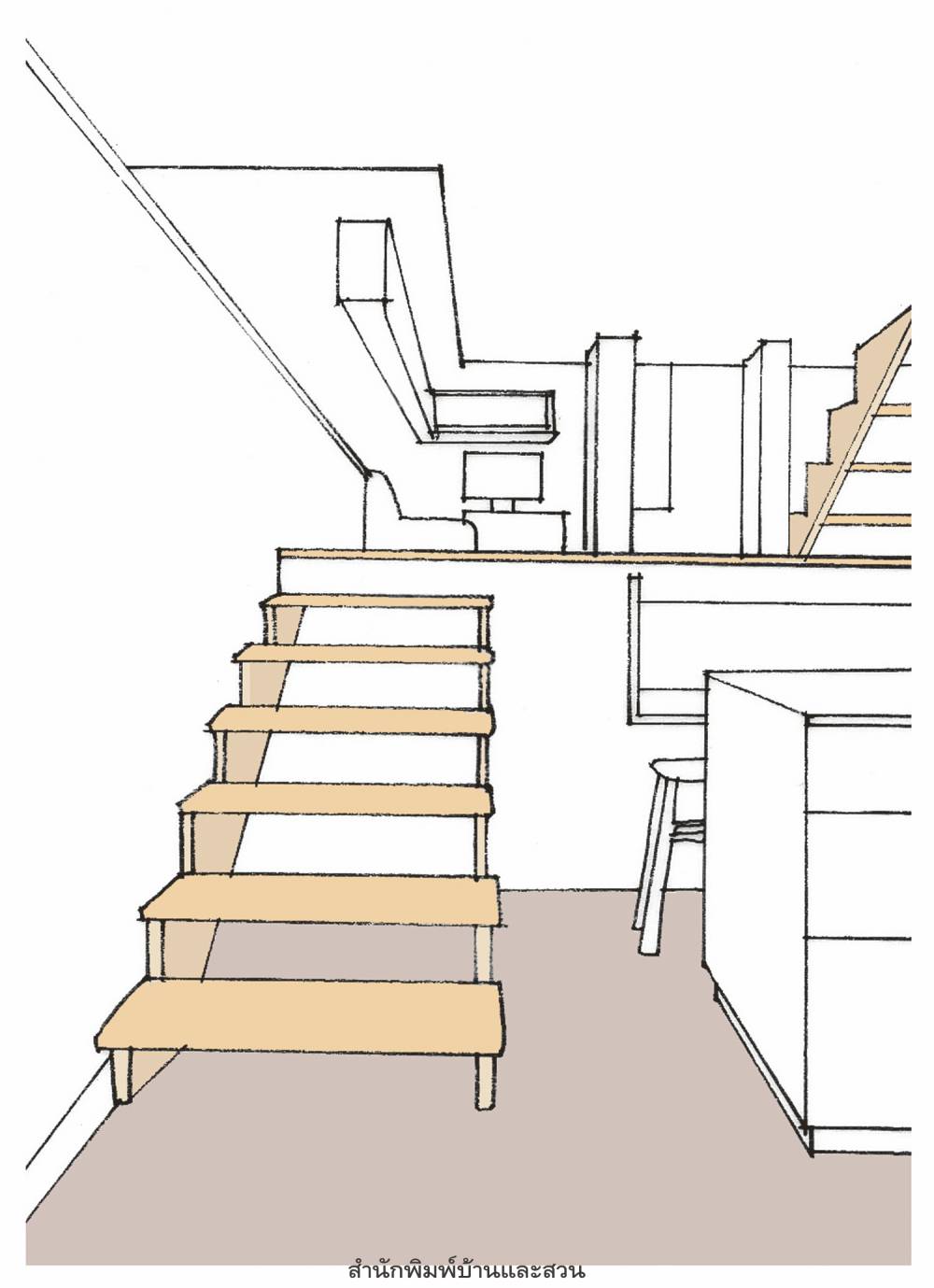
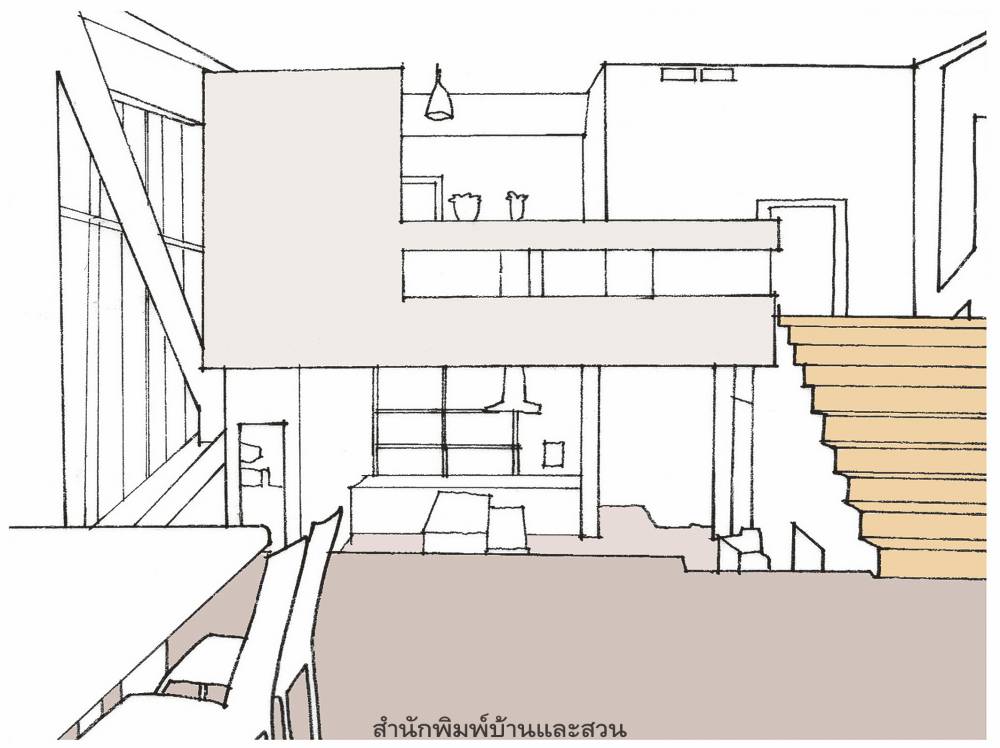
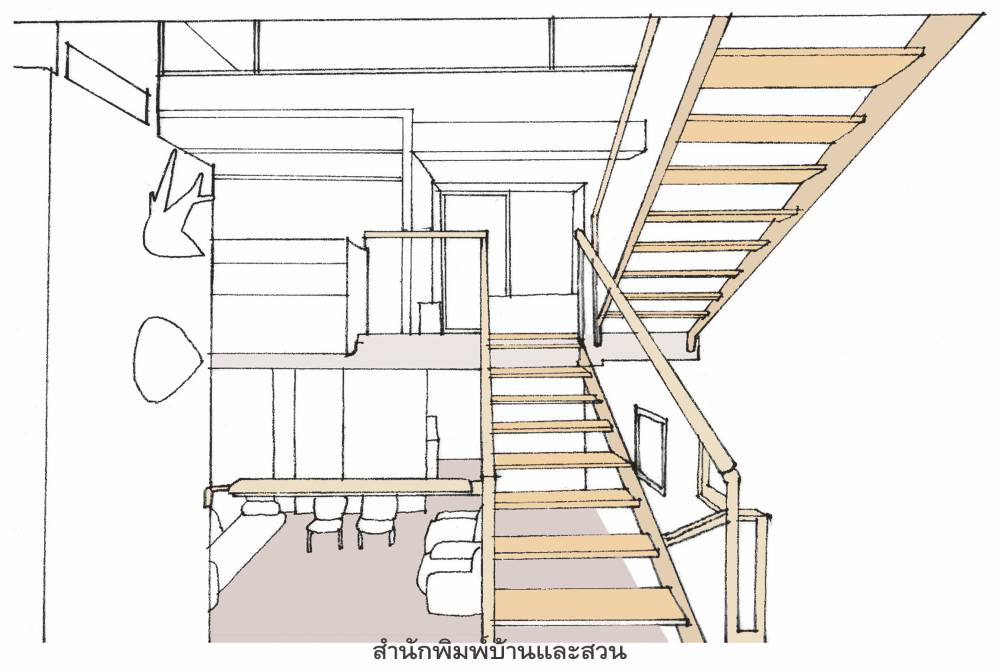
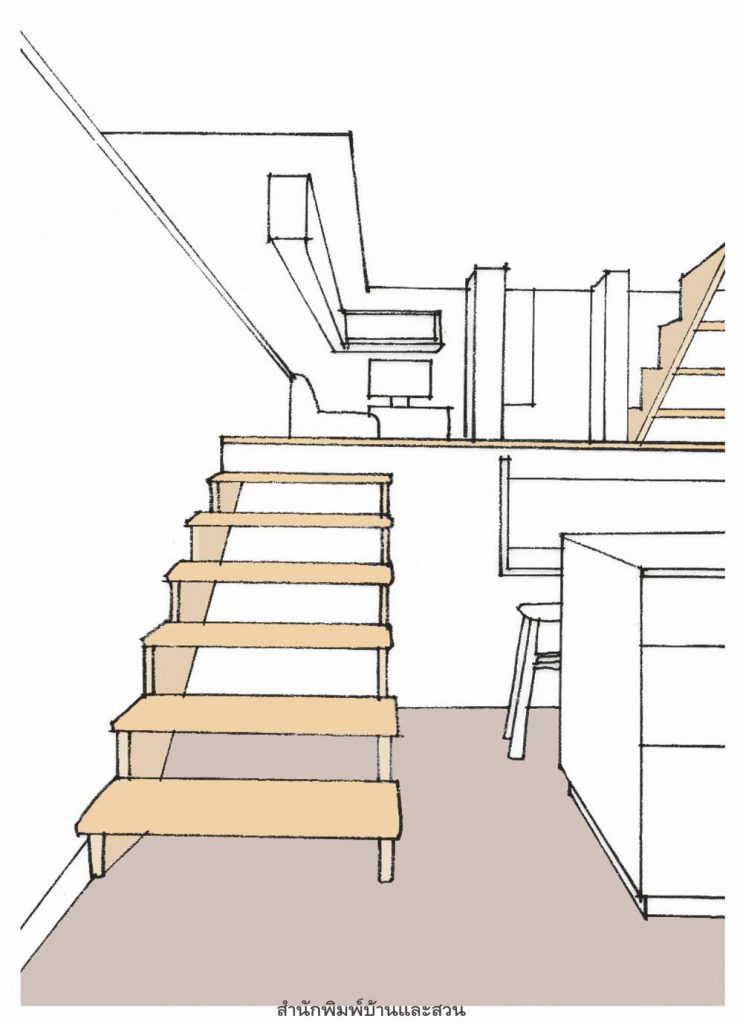
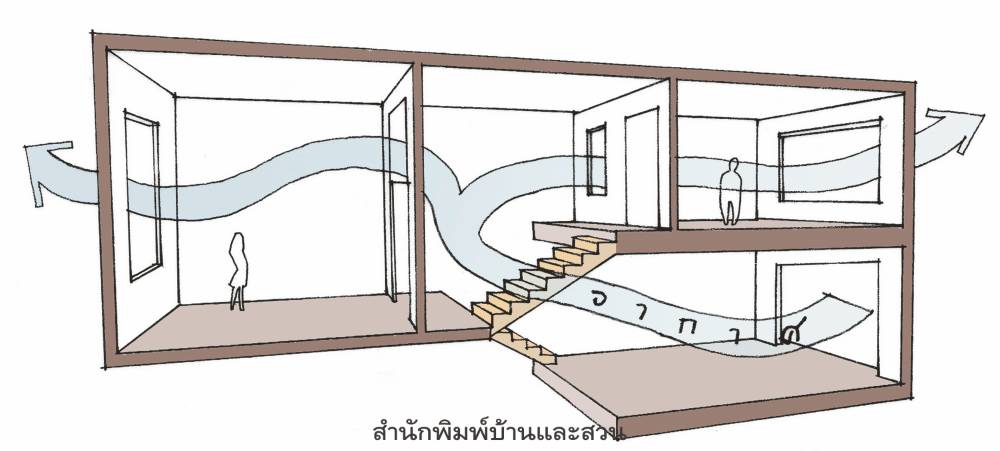
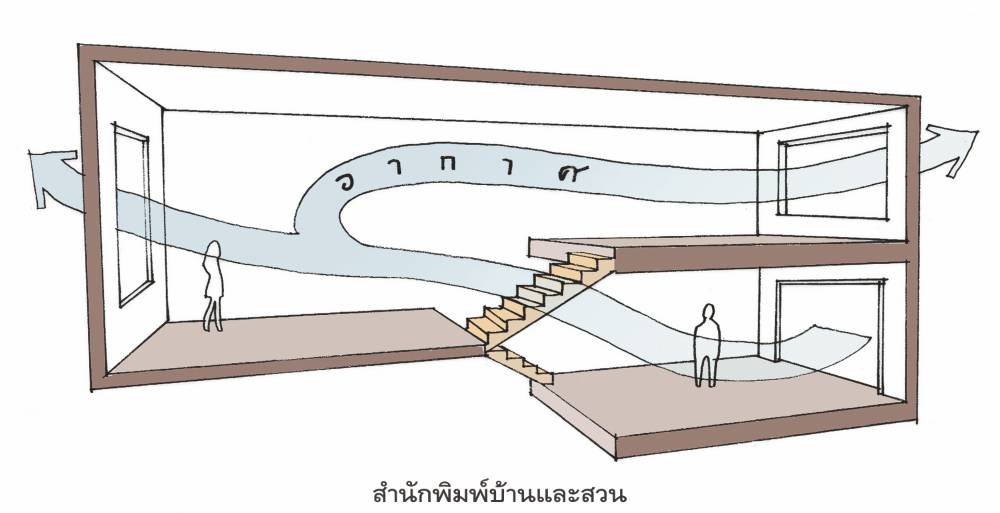
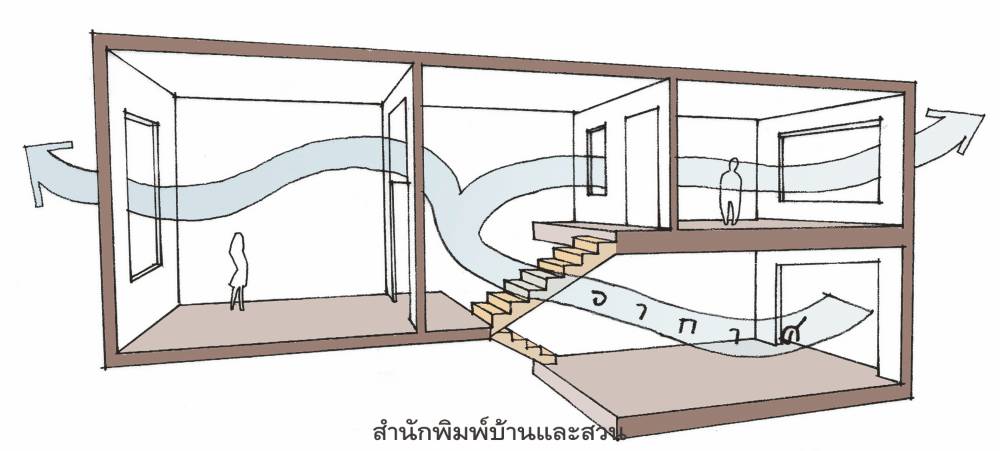
The pathways within split-level homes are crucial for connecting all areas through stairs, which serve as transitional points between spaces. The height of the stairs is typically about half a level, making them less tiring to navigate compared to long staircases in multi-story homes, making it easier for the elderly to use. Stair designs can be open or closed, depending on personal preference and space requirements. For instance, installing open stairs on the upper level allows for visibility down to the lower level, enhancing the spacious feel and promoting air circulation throughout the home.
 <\/p>
<\/p>
 <\/p>
<\/p>
<\/p>
 <\/strong>
<\/p>
 <\/strong>
<\/p>
Split-Level Homes and Interior Space
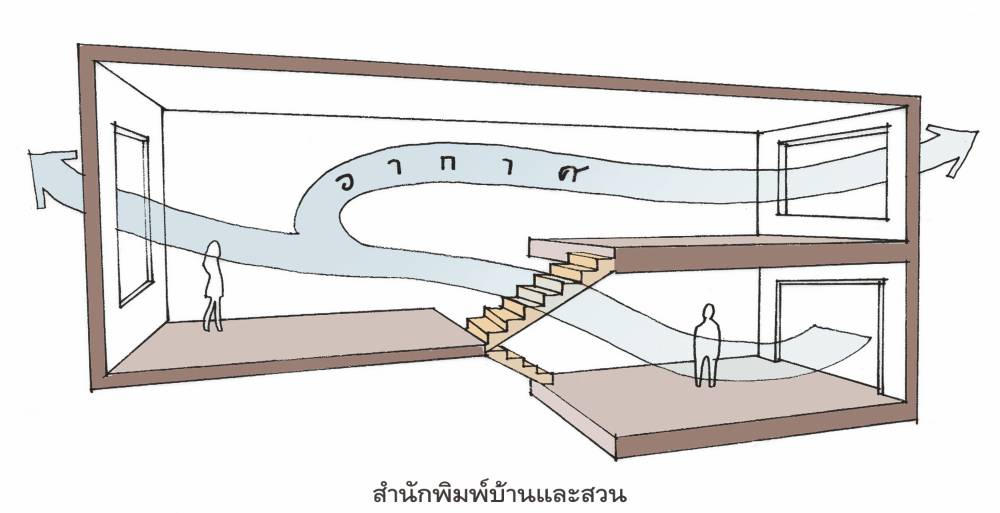
Another advantage of split-level homes is the flexibility of interior spaces, which can be easily modified. This includes using solid walls for clear room separation or creating partially transparent walls with translucent materials or glass for areas that still require continuity while controlling airflow. Alternatively, an open-plan design can create a sense of spaciousness, allowing visibility from all angles. When combined with appropriately designed openings, this promotes good air circulation, resulting in a more comfortable living environment.
<\/p>
 <\/p>
<\/p>
<\/p>
 <\/p>
<\/p>
<\/p>
 <\/p>
<\/p>
Split-Level Homes and Exterior Appearance
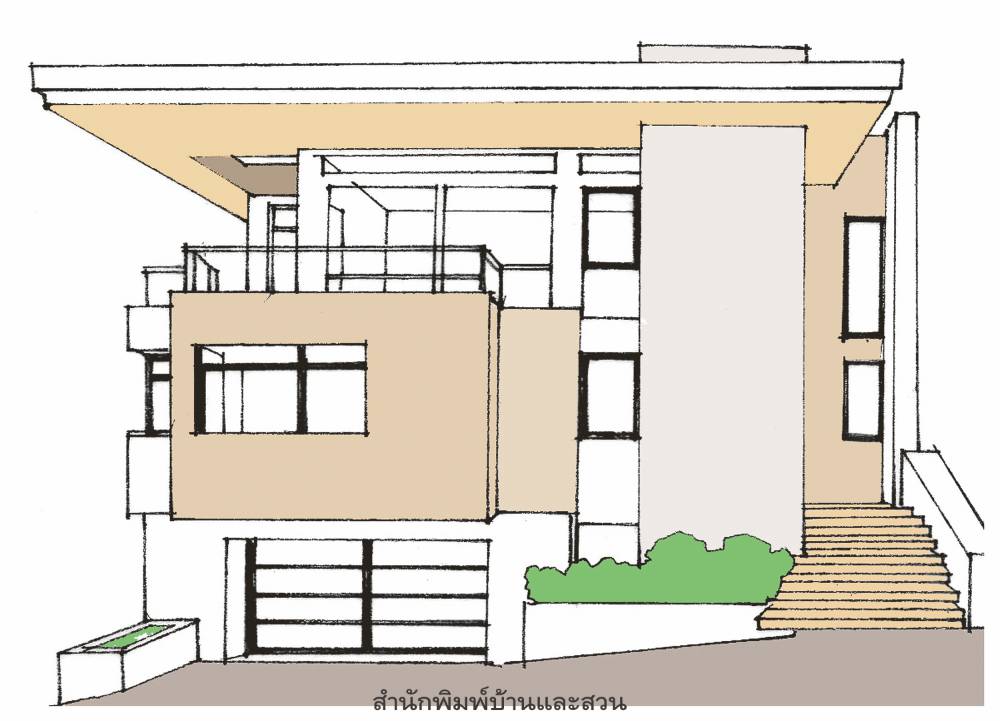
Split-level homes come in various shapes and styles. You can choose to elevate the entrance or have it at ground level before transitioning to split levels inside. Installing larger windows can enhance the airy feel of the home, and split-level designs can resemble single or two-story homes without requiring excessive height, resulting in a lighter overall structure.
 <\/p>
<\/p>
Thank you for the information from www.baanlaesuan.com<\/a><\/p> <\/div> <\/div>