The Clean Eating Obsession
The term 'clean eating' literally translates to eating clean food, or what many people refer to as healthy eating. Some may mistakenly believe that the opposite of clean eating is 'dirty eating,' meaning consuming unhealthy or harmful food. I don't quite agree with this notion because I don't see anything wrong with foods that don't fall into the clean category, such as white rice, sugar, meat, and oils.
What I want to emphasize is that we should all understand the principle that 'the difference between medicine and poison is only in the dosage.'
For example, something we consider good, like plain water, can be fatal if consumed in excess. Vitamins that are beneficial can become toxic if taken in large amounts. Even brown rice can lead to weight gain if eaten excessively. Some people like to say that eating durian makes you gain weight. I ask again, can one single piece of durian really make you gain weight? Or when they say eating pork leg rice makes you fat, I am someone who eats it almost every day, yet my total calorie intake remains within limits. Is that a problem? Some people say you should avoid sugar, sweet drinks, ice cream, or snacks altogether, but if someone runs or exercises and burns several hundred calories each day, their body needs quick energy to compensate for what has been used. So why can't we enjoy sweets?
Eating too clean does not necessarily mean it's good.
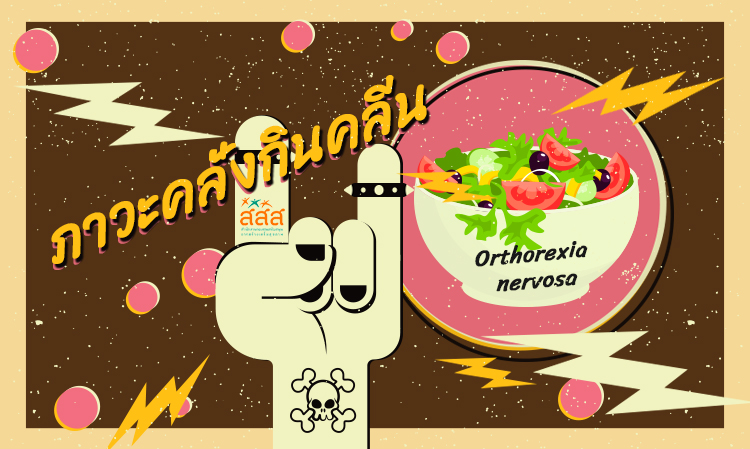
Some people think that foods not categorized as clean are unhealthy, leading to a condition known as 'Orthorexia Nervosa' or the obsession with clean eating. Those affected may experience abnormal symptoms, such as feeling guilty when consuming regular or junk food, obsessive thoughts and behaviors, making those around them feel uncomfortable, having a weight lower than ideal, and stress that impacts daily life, even though many extreme dietary approaches lack scientific validation (so, for those who eat clean without this condition, congratulations!).
From a Buddhist perspective, those with such symptoms might fall under the category of 'Silapaparamasa,' which refers to the mistaken belief that one can achieve purity and liberation through strict adherence to rules and rituals, or even clinging to rituals and beliefs.
- 'Sila' refers to the ethical conduct necessary for life and society, such as refraining from theft and lying, which is essential for a peaceful society.
- 'Vatta' refers to practices that reinforce adherence to ethical conduct and other practices, making them more stable and secure. For example, a monk who vows not to speak throughout the rainy season eliminates the opportunity to speak falsely or engage in unwholesome speech.
The purpose of Buddhism having these two aspects is to promote moderation, contentment, strictness, and living in solitude to refine desires. If someone believes they are particularly attached to something, they may choose to focus on that, such as being greedy or attached to deliciousness, and vow to eat only one meal a day. While it is commendable to recognize and correct oneself, it does not measure whether we are better than anyone else or closer to enlightenment than others. The Buddha did not praise those who are overly strict; instead, he criticized it as living like a domesticated animal and forbade such practices. Otherwise, Buddhism would be filled with yogis acting strangely and full of prohibitions.
This serves as a reminder for those who are overly strict and dogmatic, thinking that the stricter, the better, without understanding the purpose behind their actions. Some people are so obsessed with clean eating that they view all other foods as bad. Anyone who eats junk food is looked down upon, or they even criticize themselves when they indulge, causing them to suffer without realizing it.
Labeling other things as evil simply because one thinks they are bad is similar to the issue of doctors criticizing parents for letting their children play video games, even though playing in moderation can be very beneficial and also teaches discipline and resilience against temptations. Similarly, if you have children, can you prevent them from eating sweets or sugary drinks for their entire lives? And can you do that for yourself for a lifetime? And for what purpose? You should be able to answer that for yourself.
What matters more than eating clean is eating right.
I reiterate, if you eat clean and feel happy, I am happy for you. But if eating clean makes you feel miserable, it might be time to adjust. For those still struggling with weight and health issues, it is essential to improve eating habits because what matters more than eating clean is eating right. You should know how many calories you need to consume daily, the percentage of protein, fats, and carbohydrates, how many servings of vegetables and fruits you should eat, and what constitutes proper hygiene in eating. If you cannot answer these simple questions, you should study further.
Finally, we should reflect on why many healthy and fit individuals can eat happily. Because if we exercise more, we have a larger quota for eating. Eating in moderation does not mean there are foods that are so bad they are toxic. Everything consists of multiple factors. To maintain good health, we should find a balance between eating, exercising, and happiness in life.
Source: Coach Peng www.greenery.org