7 Healthy Foods (Not Really)
Be cautious every time you walk into a convenience store, as you might fall into the trap set by manufacturers.
1. 0% Fat Yogurt
While yogurt can be a healthy choice, be wary of those labeled as fat-free. Manufacturers often compensate for the lack of fat by adding excessive amounts of sugar. For example, a regular yogurt may contain 7 grams of sugar, while a fat-free version can have 19 grams (4 grams of sugar equals 1 teaspoon). So, if you come across fat-free yogurt, don’t rush to grab it. Check the label for sugar content and see if it contains fructose or corn syrup, as these are also forms of sugar. Additionally, fruit-flavored yogurts can be misleading because they already contain sugar, and the added fruit is often sweetened as well. If you want something sweet, consider adding honey or fresh fruit instead.
2. Boxed Fruit Juice
Whether it’s orange juice, apple juice, or even vegetable juice, these boxed drinks can do more harm than good. The problem with fruit juices is their high sugar content, comparable to that of soda. You need to understand that while fruits contain sugar, the amount varies by type. So even if you drink juice that claims to have no added sugar, you’re still consuming the natural sugars from the fruit. Furthermore, boxed fruit juices are often made from concentrated extracts rather than real fruit. The same goes for vegetable juices; if you read the label, you’ll find that the main ingredients are usually sweet fruits like grapes or apples, which mask the taste of the less palatable vegetables that are included in small amounts, such as carrots or celery. It’s better to eat whole fruits, which, despite having sugar, also provide vitamins, minerals, and fiber.
3. Whole Wheat Bread
People who love bread may feel better eating whole wheat, but some brands of whole wheat bread are not as safe as they think. Instead of primarily using whole wheat flour and mixing in a small amount of white flour, many brands use more white flour and add preservatives and margarine. If you’re going to buy it, look for brands where whole wheat flour makes up more than 30%, uses real butter, and contains no preservatives.
4. Chicken Essence
Simply put, it’s a waste of money. One bottle of chicken essence contains fewer nutrients than half an egg. If you want protein, eating a whole egg will give you more. The advantage of chicken essence is that it’s easy to digest, requires no chewing, and is quickly absorbed, making it suitable for those with eating difficulties or needing quick protein. However, if your body is functioning well, when comparing the benefits to the price... just eat eggs instead.
5. Bird's Nest
The main nutrient in bird's nest is protein, followed by water. However, when compared to an egg, a ready-to-drink bird's nest of 70-75 milliliters contains such a small amount of protein that you would need to consume 26 bottles (according to research from Mahidol University’s Institute of Nutrition) to get the same amount of protein as one egg, not to mention the sugar added to enhance the flavor.
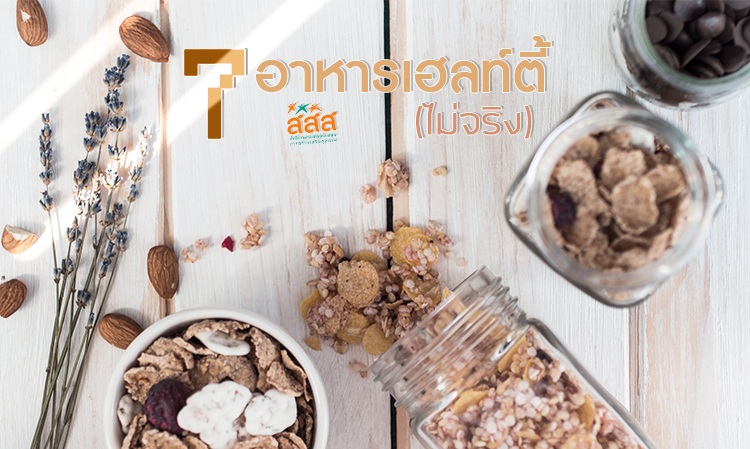
6. Instant Oatmeal or Granola
It’s true that oatmeal is good for you, high in fiber, and helps lower blood sugar, making it a low-calorie food. Therefore, the chances of gaining weight from it are very low. Granola is essentially oatmeal mixed with grains and dried fruits, which can be eaten as bars or added to yogurt. Everything sounds good, but the downside is that most oatmeal people buy is flavored, such as maple brown sugar or apple cinnamon. Remember that anything factory-flavored usually comes with added sugars and sodium. Granola also often contains added sugars but is misleadingly labeled as healthy, leading people to think it’s a good snack, adding unnecessary calories. If you’re short on time, try soaking whole oats overnight in the fridge before serving with fresh fruit.
7. Vegetable Pasta
Not only is it often unappetizing, but vegetable pasta or pasta labeled as containing vegetables doesn’t differ much from regular pasta. The main ingredient is still flour, with only a small amount of vegetables mixed in, often colored to look green. It’s fine to eat, but don’t overindulge or expect it to be low in calories. If you truly want vegetable pasta, consider replacing traditional pasta with zucchini noodles tossed in pasta sauce instead. Alternatively, enjoy regular pasta and reduce calories from other meals instead.
Thank you for the information from www.thaihealth.or.th