How to Live in Harmony with Your 'Biological Clock'
Every moment of our lives is tied to a "clock," whether it's the sound of an alarm clock in the morning or the wristwatch reminding us of lunchtime. However, these are not the clocks of nature. Our bodies respond to the clock that has evolved alongside humanity.
How Does the Biological Clock Work?
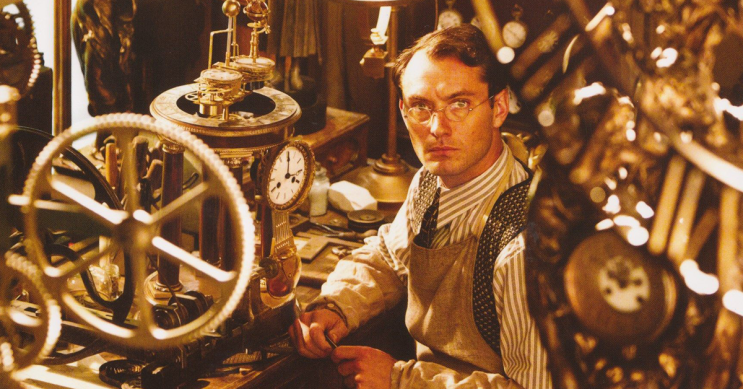
The secret behind the mechanism of the biological clock lies in genes that produce proteins controlling various bodily processes, which naturally break down over approximately 24 hours before regenerating. This cycle allows our bodies to function in sync with the day-night cycle, a mechanism found in many living beings, including fish, birds, insects, and humans.
Is Your Biological Clock Functioning Normally?
We live in a cycle of day and night for 24 hours, during which our biological clock uses light and darkness as criteria for determining our living conditions. For instance, as the sky darkens, our bodies cool down slightly, blood pressure begins to drop, analytical thinking abilities gradually decline, and we start to feel the urge to lie down and sleep. Conversely, the soft morning sunlight helps our bodies wake up slowly, preparing us for a new day. Night shift workers may find it difficult to sleep during the day, no matter how tired they are. Yet, when night comes and it's time for them to work, they may find their bodies and senses gradually wear down to the point of falling asleep unexpectedly. These occurrences happen because their internal clock tries to stimulate their bodies to be awake during the day and sleep at night.
Reduce the Risk of Various Diseases by Getting Enough Sleep
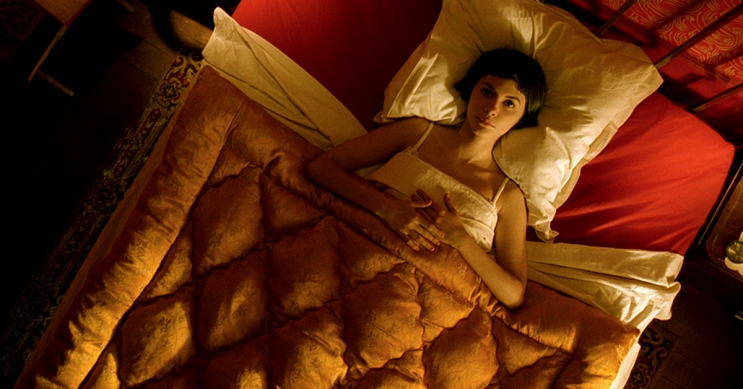
Disrupting the biological clock can have severe consequences on memory, problem-solving abilities, emotional responses, and concentration. Ignoring these signals for years can significantly increase the risk of common diseases such as heart disease, gastrointestinal disorders, and obesity. Additionally, irregular sleep patterns and insufficient rest can negatively impact memory systems and increase stress levels.
It can be said that the quality of sleep is crucial. Humans should get adequate rest, which means allowing the body to repair and rejuvenate, enabling organs to function better.
For those who must work at night, if you want to avoid falling ill, the best thing you can do is to sleep during the day to compensate and find time to exercise, as well as eat nutritious foods. Sleep deprivation can also lower your immune system.
Thank you for the information from www.workventure.com