'Ketogenic Diet': How to Do It Right
Although we have believed this for hundreds of years, the theory is currently being heavily challenged. The latest trend in healthy eating that is gaining popularity worldwide, the 'Ketogenic Diet,' suggests that we can be healthy without consuming carbohydrates or sugar. Moreover, making 'fat' our primary source of food can actually help with weight loss.
It may sound unbelievable that eating greasy pork skewers or stretchy cheese can lead to better health. However, nutritionists provide logical explanations for this. Before we understand what the ketogenic diet allows us to eat or not eat, we need to grasp how our body functions a bit better.
1.) Our bodies need energy, but not just from carbohydrates and sugar.
The energy our bodies use in daily life, both while sleeping and awake, usually comes from digesting carbohydrates and sugars into single-molecule sugars like 'glucose.' Then, the brain signals the pancreas to release insulin to bind with glucose, transporting it into cells where it is metabolized into energy (which is why we feel refreshed after consuming sugary drinks, as our bodies can absorb glucose into cells immediately).
However, our bodies are smarter than that. Even if we don't consume carbohydrates and sugar, they will still find ways to generate energy. This is done by breaking down triglycerides in fat cells to produce what is known as 'free fatty acids.' These substances stimulate the liver to produce 'ketones,' which serve as an alternative energy source to carbohydrates and sugar. This means that the more we refrain from carbohydrates and sugar, the more our body will utilize fat and reduce its amount.
2.) The body needs fat to lose fat.
It may sound contradictory to consume fat as a primary food source while aiming to lose fat. However, naturally, our bodies require stimuli to effectively trigger metabolism. Eating fat makes the body more adept at converting fat into energy. Therefore, the ketogenic diet yields the best weight loss results for those with significant fat reserves, especially abdominal and thigh fat, which are among the first areas the body will draw from for energy.
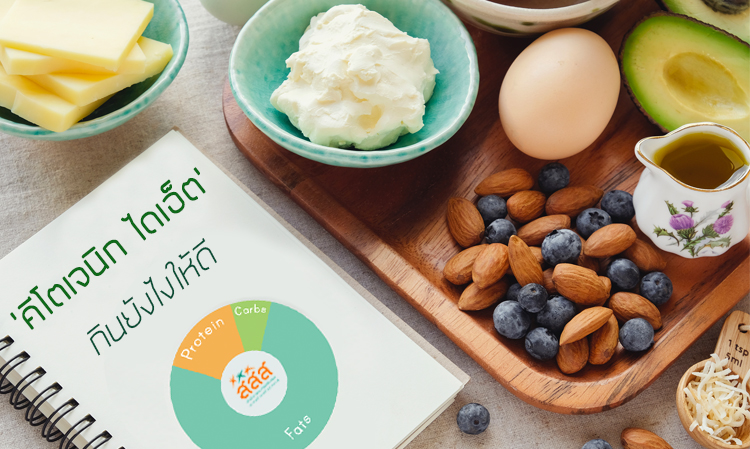
3.) The food ratio should be '70% fat, 25% protein, 5% carbohydrates.'
However, don't think that following a ketogenic diet means stuffing only fat into your mouth (doing so could shock your body and lead to nutrient deficiencies). Instead, it's about balancing your food intake with 70% fat, including good proteins like chicken or fish to help build muscle and repair wear and tear, making up about 25%, and consuming carbohydrates at 5% to prevent excessive fatigue. Importantly, you must completely avoid sugar, whether it's the good sugar from fruits or synthetic sugar from tempting desserts. However, the ketogenic diet allows for plenty of leafy greens to increase vitamins and dietary fiber.
4.) You can eat fat, but it must be 'good fat.'
While the ketogenic diet permits us to consume fat as a primary food source, not all fats are beneficial for the body. If you choose to eat only low-quality fats (such as burnt pork skewers, creamers, or margarine), you may end up with more health issues than benefits. Therefore, it's essential to select high-quality fats, such as those from coconut oil, olive oil, or fish liver oil. If you're consuming butter, it should be real butter made from milk, and if it's bacon, it should come from organic pork. Even fats from low-sugar fruits like avocados are excellent options.
5.) Not everyone is suited for the ketogenic diet.
Although the idea of a diet that allows us to eat bacon and pork belly sounds appealing, there are many precautions to consider. Not everyone's body is suited for a fat-based diet, especially those with chronic illnesses or genetic disorders. It's advisable to consult a doctor before starting this diet, as individual body details vary. A fat-based diet is best suited for those in good health.
Another warning is that our bodies need time to adapt to this new 'eating system.' Therefore, in the initial phase of starting a ketogenic diet, the body may experience resistance (the keto flu), such as fatigue, easy exhaustion, bad breath, etc. Research indicates that the body will take about 14-21 days to adjust before it can efficiently metabolize and utilize energy from fat. However, if symptoms become disruptive to normal life, it is recommended to consult an expert for guidance on safely balancing your diet.
Thank you for the information from www.thaihealth.or.th