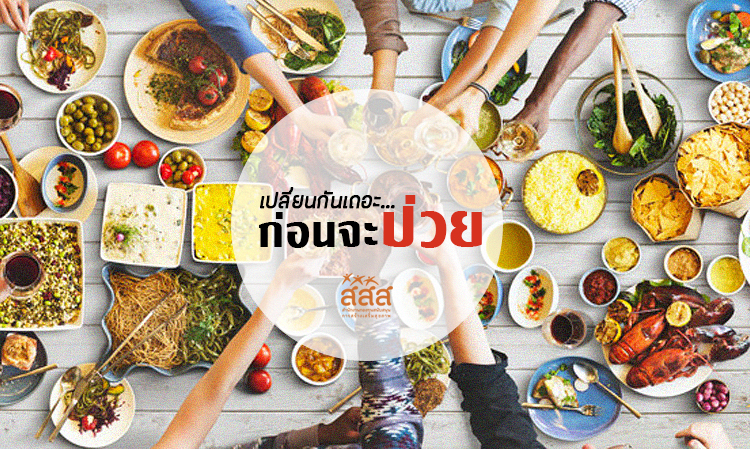
Let's Change... Before We Get Sick
"61.6 million" is not a figure representing wealth, but rather the number of times patients received treatment in hospitals and private healthcare facilities in 2017. This is despite the population of Thailand, as announced by the Central Registration Office at the end of 2017, being "66.19 million people."
Such a high illness rate reflects the health of Thai people, prompting us to return to the myth that "prevention is better than cure". Preventing and taking good care of oneself not only reduces medical expenses but also alleviates the competition for hospital beds and patient areas that seem insufficient.
"We need to change our eating habits before we get sick. Have you ever stopped to think about how much sugar is in that cup of coffee you're drinking and how many calories it contains...?" Prof. Sanga Damapong, an expert from the Health Promotion Foundation (ThaiHealth) and a nutrition academic advisor at the Department of Health, opened with this invitation to the audience to change their eating behavior.
The renowned academic also provided important information that 37 Thais die from chronic non-communicable diseases every hour, and the cause of death for no less than 36 million people worldwide each year is due to chronic non-communicable diseases (NCDs). Various projects by the Ministry of Public Health, ThaiHealth, and other partners campaign for health and nutrition to reduce the death rate from these diseases, which are linked to "eating habits and lifestyle"
To reduce the rate of illness and hospital admissions, one must assess their own eating behavior, considering how much sugar, fat, and salt they consume. Prof. Sanga recommends a daily eating guideline of 6:6:1 which means consuming no more than 6 teaspoons of sugar, 6 teaspoons of oil, and 1 teaspoon of salt per day, which will help keep us away from NCDs.
"Therefore, we should be aware of food information. For example, coffee has the same energy as 6-7 tablespoons of rice, an omelet has 240 calories, or how much bad fat is in fried foods. Additionally, excessive salt intake can lead to hypertension and kidney disease," Prof. Sanga provided this information.
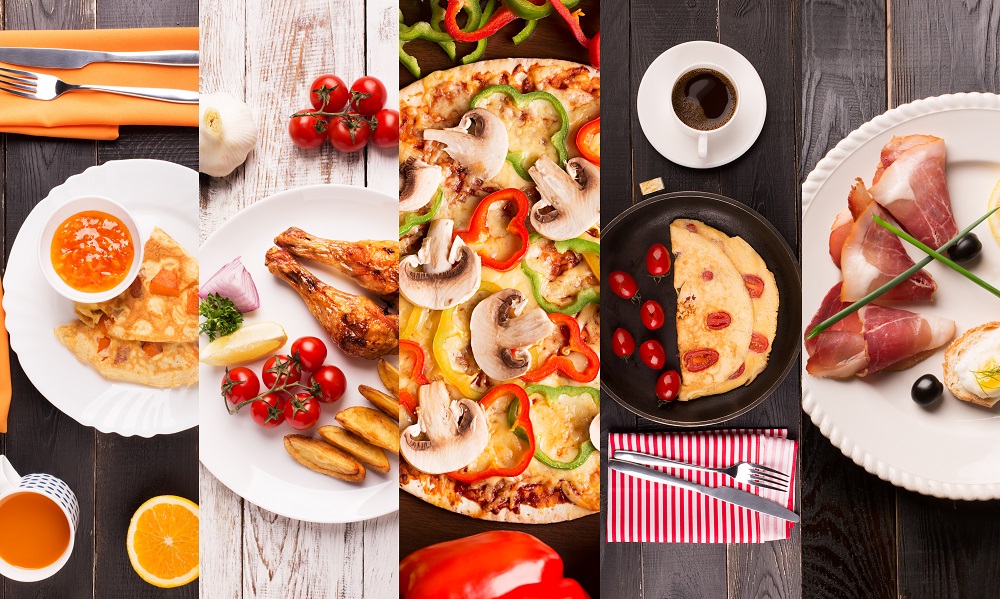
Sweet - Fat - Salty: The Culprits of Chronic Non-Communicable Diseases (NCDs)
Sweet – refers to the sugar found in food, snacks, beverages, etc. Adults should consume no more than 6 teaspoons of sugar per day (or 24 grams), while children should have no more than 4 teaspoons per day (or 16 grams). Exceeding this amount leads to energy accumulation and excess sugar being converted into stored fat, increasing the risk of obesity and diabetes.
Fat – refers to the fats used in cooking, which are found in food, snacks, fried foods, processed foods, desserts, etc. Each day, fat intake should not exceed 65 grams, or cooking oil should not exceed 6 teaspoons. High fat consumption increases the risk of obesity and hypertension.
Salty – refers to sodium found in salt, fish sauce, soy sauce, MSG, processed foods, pickled foods, etc. This is a health hazard, and we should consume sodium no more than 1 teaspoon per day (or 2,000 milligrams). Excessive salt intake increases the risk of hypertension and kidney disease.
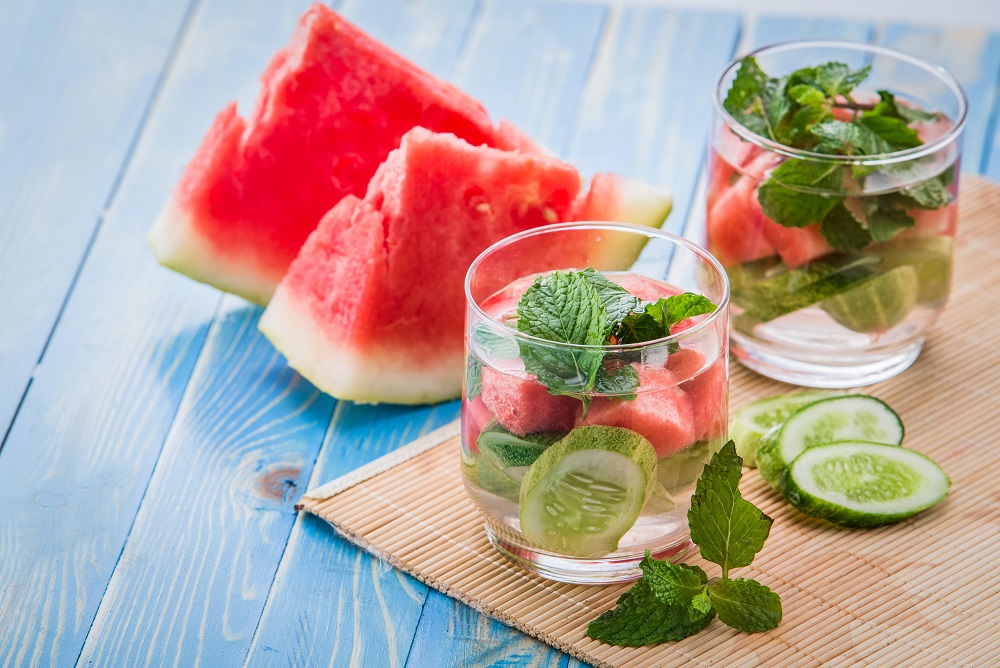
How to Stay Healthy
Prof. Sanga also advises that if we consume at least 400 grams of fruits and vegetables daily, it will help keep us away from chronic non-communicable diseases (NCDs). The World Health Organization (WHO) also confirms that in addition to receiving good fiber and antioxidants from fruits and vegetables, it also helps prevent the risk of NCDs.
In this regard, ThaiHealth and related partners have set a goal for Thai people to increase their fruit and vegetable consumption from 25.9% to 50% by 2021. Eating at least 400 grams of fruits and vegetables daily is a way to create new habits for Thai people, which will become a health shield for citizens of all ages.
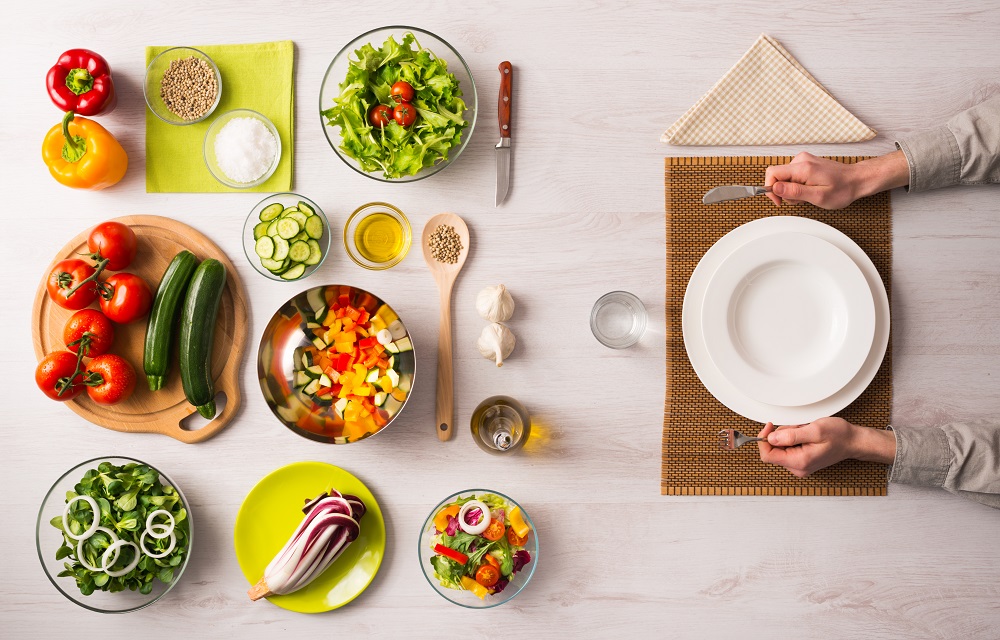
How to Consume 400 Grams of Fruits and Vegetables Daily
Certainly, consuming 400 grams of fruits and vegetables in 3 meals a day may seem challenging, especially for beginners who find it hard to force themselves to eat vegetables. The "400 Grams of Good Fruits and Vegetables Project" has suggested ways to start enjoying fruits and vegetables as follows:
1. Carry 1-2 pieces of fruit daily, such as bananas, oranges, apples, guavas, instead of cookies or snacks. If done consistently, this will provide a portion of 100-150 grams of this food group (3 parts vegetables, 2 parts fruits).
2. Keep fruits or a box of salad in the refrigerator at home/work to help increase fruit and vegetable intake.
3. Try cooking for yourself once a week, choosing your favorite vegetables or experimenting with new ones. Washing and cooking them yourself not only ensures food safety but also brings a sense of pride in your cooking skills.
4. Prepare lunch to take to work, trying simple meals that can be prepared the night before, such as sandwiches, salads, fried rice, or rice mixed with chili paste.
5. Prepare fresh vegetables as side dishes for main meals or blanch vegetables to add to noodles. This method can increase the amount of vegetables in each meal as desired.
6. Make vegetable and fruit smoothies by mixing a little fruit juice to help reduce the vegetable smell and enhance the flavor. However, drink it immediately after blending to avoid losing the enzyme's benefits.
Eating vegetables is not as difficult as it seems. The more we repeat something for 21 days, or the 21-day theory, it leads to habit formation. Try changing your eating behavior because good health has no shortcuts, and no one can do it for you. Only you can determine your health, and hospitals won't be overcrowded with patients as they are today.
Thank you for the information from www.thaihealth.or.th