Build Strong Health by Eating Phytonutrients Found in Fruits and Vegetables
Build Strong Health by Eating “Phytonutrients,” Nutrients Found in Fruits and Vegetables
In the “Year of the Golden Pig,” the trend of health maintenance continues to gain momentum. Nowadays, people in Bangkok face numerous pollutants and dust. Therefore, maintaining a strong and healthy body is essential. It’s not just about exercising; it’s also crucial to pay attention to proper nutrition.
Today, we will get to know another type of nutrient found in various fruits and vegetables. Besides being rich in vitamins and minerals, they also contain “phytonutrients,” which are substances that plants produce for their own benefit. Scientists have discovered that when humans consume certain phytonutrients, they can also provide benefits. Phytonutrients come in various colors and have different advantages.
“Phytonutrients” comes from the Greek word “Phyto,” meaning plant, while “Nutrient” refers to the chemicals that living organisms need to survive and grow. Phytonutrients give plants their unique scents, colors, or flavors to protect against insects or diseases. For humans, phytonutrients also offer numerous health benefits.
1. Carotenoids are a group of pigments found in yellow, orange, and red fruits and vegetables, as well as in some green vegetables and certain algae. They include carotene, lycopene, and lutein, which help plants with photosynthesis. The benefits for humans include being antioxidants that help prevent heart and vascular diseases, inhibit cancer cells, and support eye health. They are abundant in carrots, red and yellow bell peppers, tomatoes, broccoli, bitter gourd, water spinach, lettuce, and various other greens.

2. Phytoestrogens are plant-derived substances that mimic estrogen hormones. They can be found in three groups of plants: legumes, seed plants, and grasses, including kudzu root, dong quai root, flax seeds, and various beans such as soybeans, green beans, and peas. These substances can substitute for female hormones in menopausal women and help alleviate menopausal symptoms.
3. Polyphenols are abundant in legumes, vegetables, fruits, red wine, cocoa, green tea, and whole grains. They possess antioxidant properties, reduce inflammation in heart and vascular diseases, and lower the risk of cancer. They can be found in white, orange, yellow, red, purple, and blue fruits and vegetables that have a bitter or astringent taste.
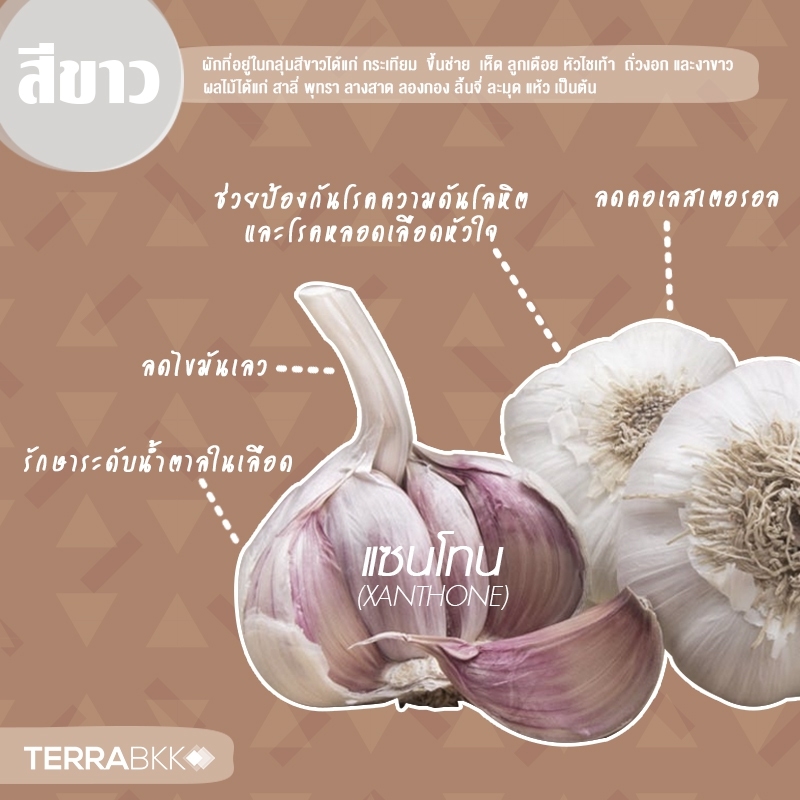
4. Saponins are found in many plants, such as legumes, ginseng, and garlic. Saponins can help lower blood fat, stimulate the immune system, have anti-cancer properties, and serve as precursors for synthesizing steroid hormones.
5. Glucosinolates are compounds formed from sugars and amino acids that contain sulfur and nitrogen atoms in their molecules. When these substances break down, they produce a pungent smell and are abundant in cruciferous vegetables. They help stimulate liver function in producing enzymes and assist in breaking down carcinogens, free radicals, and toxins.

6. Dietary Fibers are polysaccharides found in oats, barley, and various mushrooms. They help stimulate the immune system and act as antioxidants, reducing the risk of high fat and blood sugar levels. Insoluble fibers can be found in brown rice, fruits, and vegetables, aiding in digestion, alleviating constipation, and reducing the risk of colon cancer.

Sulfur-containing Compounds are substances that contain sulfur atoms in their molecules and have a distinctive smell. They can be found in garlic and have properties that lower fat and sugar levels in the blood, as well as inhibit platelet aggregation.
Benefits of Phytonutrients
- They are natural antioxidants that help prevent diseases such as cancer, heart disease, immune disorders, and cataracts, and they promote healthy skin, preventing cells from aging quickly.
- They can combat or prevent certain diseases.
- They have antioxidant properties that help reduce damage to DNA, which can lead to cancer.
- They enhance the immune system.
- They regulate cell growth.
- They combat inflammation.
- They have antimicrobial properties against certain disease-causing microorganisms.