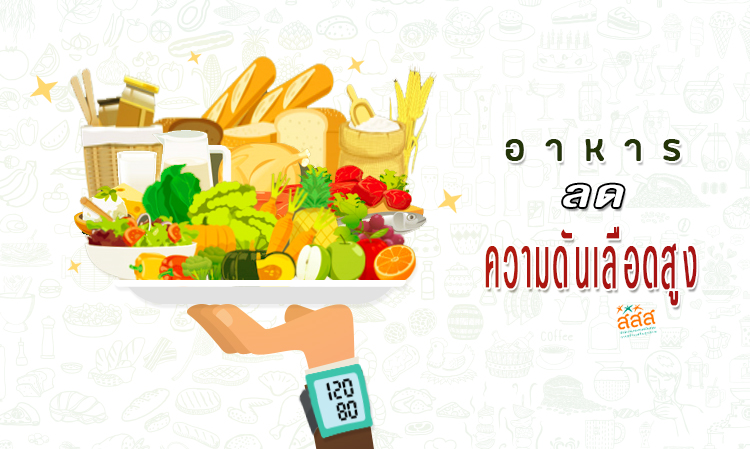
Foods to Lower High Blood Pressure
On average, 1 in every 5 people has high blood pressure. The older you get, the more likely you are to develop this condition. Therefore, everyone over the age of 35 should have their blood pressure checked at least once a year.
High blood pressure can be caused by various factors, such as snoring and sleep apnea, certain medications, kidney disease, and arterial diseases. However, diet is also a significant factor related to high blood pressure, and we can use food to help lower elevated blood pressure levels.
Foods that have been proven effective in lowering blood pressure in patients include: the DASH diet (Dietary Approaches to Stop Hypertension). A study involving over 500 American participants with normal to moderately high blood pressure over 8 weeks found that the DASH diet significantly reduced both systolic and diastolic blood pressure (comparable to taking a blood pressure medication) without any side effects. In contrast, those consuming a typical American diet did not see a reduction in blood pressure. Furthermore, combining the DASH diet with reduced sodium intake can lead to even greater decreases in blood pressure.
However, since the DASH diet is based on Western eating habits, which recommend consuming each food group in "servings" (one serving is roughly the size of your palm or the amount you would eat in one sitting), such as 3-4 servings of fruit per day, it can be challenging for the average Thai person to follow. Therefore, we can adapt this approach to make it easier to implement:
1. Increase your intake of the following foods by about 2 times compared to what you usually eat:
- Vegetables or plant-based products, especially fresh vegetables like those used for dipping in chili sauce, papaya salad, and salads.
- Fruits, especially fresh fruits, which provide more nutritional value than juices or pre-packaged products (for those with diabetes, fruit intake should be reduced if blood sugar levels are not controlled).
- Whole grains, such as brown rice, beans, and black sesame seeds.
- Steamed or boiled fish (better than fried fish or fish burgers, which are high in fat).
- Low-fat milk, non-fat milk, or soy milk.
2. Reduce your intake of the following foods by about half compared to what you usually eat:
- Salty foods and sodium, such as fish sauce, soy sauce, fermented soybean paste, monosodium glutamate, and processed foods.
- Sweet foods, such as soft drinks, candies, desserts, ice cream, cakes, cookies, and fast food.
- Fatty foods, such as animal fats and animal products.
- Meats, such as pork, beef, duck, chicken, and goose without skin or fat.
To start eating foods that lower blood pressure, you may change one type of food at a time, gradually increasing the amount. Especially for those who enjoy strongly flavored foods, you should reduce seasoning by at least half, and it may take about 2-3 weeks for your taste buds to adjust to the reduced flavors and become more accustomed to natural tastes.
Limiting the quantity of food consumed, especially fatty foods and carbohydrates, while increasing physical activity to burn off excess energy can lead to weight loss. If you can lose at least 10% of your body weight, it can help lower blood pressure.
Additionally, men who regularly consume alcohol should reduce their intake, such as limiting to 2 cans of beer per day or half a glass of wine. (Women should reduce their intake to half that of men.) For those who do not drink, it is not recommended to start, as alcohol can raise blood pressure. After adjusting your dietary habits for about 2-3 weeks, you should measure your blood pressure again and compare it to your blood pressure before the dietary changes. If there is no significant reduction, such as 5-10 mmHg, you should further reduce sweet, fatty, salty foods, and meats, or consult a nutritionist or public health professional for additional guidance on lowering blood pressure.
Thank you for the information from www.thaihealth.or.th