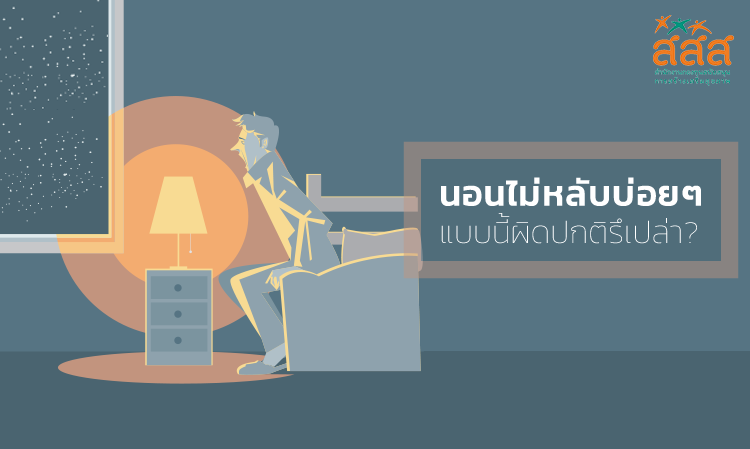
Is Frequent Insomnia Abnormal?
No matter your situation, it’s undeniable that the basic happiness of all humans lies in 'being well-fed and getting enough sleep.' Just think back to those nights when you tossed and turned in bed, struggling to fall asleep, only to realize you had just a few hours left to rest. You must have felt frustrated and restless, trying to find activities to help you drift off.
Typically, people should aim for about 6-8 hours of sleep per day. For young children aged 1-2 years, at least 11 hours is recommended; children aged 3-5 years should get 10 hours; those aged 6-12 years should aim for 9 hours; teenagers aged 13-18 years should have 8 hours; and adults over 18 should have at least 7 hours, with a possible variation of one hour.
If you experience insomnia, restless nights, or wake up frequently, leading to a less than bright morning, you may be suffering from insomnia, a condition often complained about by the elderly.
The Facebook page Rational Drug Use provided information regarding insomnia and its impact on health, featuring insights from Assoc. Prof. Dr. Pisanu Jongtrakul, Department of Pharmacology, Faculty of Medicine, Chulalongkorn University, as follows:
"Just because you’ve had a couple of tough nights doesn’t mean you’re experiencing insomnia. It must be due to 1) insufficient sleep, such as taking a long time to fall asleep or waking frequently throughout the night; 2) a regular pattern of insomnia; and 3) the consequences of insomnia affecting daily life, such as dozing off at work or while driving," explained Assoc. Prof. Dr. Pisanu.
Causes of Insomnia in Individuals
- Age: Older age can lead to increased insomnia.
- Female gender, especially around menopause.
- A history of insomnia.
- Family history of insomnia.
- Light sleeper, easily disturbed.
- Tendency to experience insomnia when stressed.
- Living alone can make it easier to experience insomnia.
- Underlying health conditions, such as heart failure or chronic lung disease.

How to Establish Good Sleep Hygiene
- Sleep as much as your body needs, but not excessively; get out of bed promptly when awake.
- Try to sleep and wake at the same time daily, and don’t force sleep if you’re not feeling drowsy.
- Exercise regularly for at least 20 minutes a day, but do so 4-5 hours before bedtime.
- Avoid caffeine after noon and alcohol from the afternoon to evening.
- Avoid smoking, especially in the evening.
- Minimize disturbances in the bedroom, such as turning off lights, TV, and radio.
- Reduce screen time before bed, including computers, phones, and TVs.
- Try to eliminate stress and worries before going to sleep.
- Avoid napping for more than 20-30 minutes during the day.
Behavioral Changes through Stimulus Control
- Use the bed only for sleep.
- Go to bed only when sleepy; don’t force sleep if you’re not tired.
- Avoid using the bed for other activities like reading, watching TV, or eating.
- If you’re awake in bed for more than 20 minutes, get up and do a relaxing activity, like sipping warm water or milk, reading, or listening to music.
- Don’t get out of bed for activities that don’t promote sleep, like watching movies or eating heavy meals.
- Don’t return to bed until you feel tired or sleepy.
- Set an alarm to wake up at the same time every day, including weekends.
- Avoid napping during the day, especially in the afternoon to evening.
Medications or Substances that May Cause Insomnia
- Caffeine: tea, coffee, energy drinks.
- Alcohol: liquor, beer, and alcoholic mixtures.
- Stimulants: such as decongestants.
- Central nervous system depressants or appetite suppressants.
- Bronchodilators.
- Some antidepressants.

Negative Effects of Chronic Sleep Deprivation
1. Increased risk of road accidents (especially for truck drivers) and workplace errors, such as dozing off during meetings, making mistakes in documents, and being irritable.
2. Decreased quality of life: engaging less in enjoyable activities due to fatigue, struggling to concentrate in studies or work, dozing off in class or at work, which may lead to failing exams or poor performance, receiving reprimands from supervisors, and potentially missing promotions or being laid off.
Additionally, feelings of exhaustion, confusion, stress, and anxiety can accumulate, potentially leading to depression. Evaluations of quality of life (SF-36) in individuals with chronic insomnia show that their quality of life is comparable to those with chronic conditions like heart failure or depression.
3. Self-medication: individuals with sleep issues who do not receive proper treatment may seek various medications, increasing the risk of addiction (1 in 4 patients have used alcohol as a solution, drinking before bed, which may help them fall asleep faster but results in poor-quality sleep).
4. Increased risk of cardiovascular disease: those who sleep less than 6 hours have a 23% higher risk of heart disease compared to those who sleep 7 hours, as insufficient sleep is linked to obesity, high blood sugar, high blood pressure, and high LDL-C levels, leading to metabolic syndrome and cardiovascular issues.
5. Weakened immune system: may lead to increased susceptibility to infections, such as lower immunity after vaccinations, and more frequent colds.
6. Increased risk of diabetes: linked to weight gain and obesity.
7. Potential kidney function decline: may correlate with increased all-cause mortality and accelerated aging, so those with kidney disease should ensure adequate rest.
8. Increased risk of suicidal thoughts and behaviors.
9. Improved blood sugar control in diabetic patients receiving treatment for insomnia.
10. Premature aging.
11. Increased overall societal costs due to decreased work efficiency, increased health issues, and emotional problems.
Don’t let insomnia harm you for years. If you suspect you have insomnia, consider the contributing factors and gradually adjust your behaviors and sleep environment while addressing any underlying issues. If symptoms persist, doctors may consider medication as a last resort, choosing appropriate medications at low doses, avoiding daily use, and steering clear of long-term medication. Let the new year 2562 be the start of taking care of your physical and mental health throughout the year.