
Psychologists Reveal! We Should 'Slack Off' with Quality
Taking time to relax and unwind can actually enhance the quality of your work.
No matter how much work we do, it never seems to end, and the work culture that pressures us to be diligent every single day makes us feel ashamed or at least a bit guilty when we take a break during the day. But believe me, sitting in front of a computer screen waiting for emails when there's nothing to do (or when we don't want to do anything) is definitely not a way to improve our work. Instead, 'slacking off' strategically can actually help enhance the quality of your output.
'We Must Work All the Time'
Is it True?
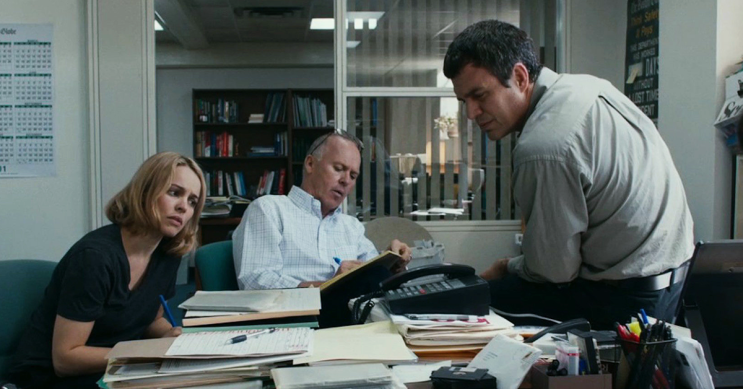
Can you believe that about two years ago, Merlin Mann, a well-known writer hired to write a book on email management, quit his job and posted on his personal blog about how being overly focused on work negatively impacted his personal life and caused him to miss important moments with his daughter?
Problems often arise when we chase after an ideal, denying ourselves the rest and relaxation that normal people should take when they are tired, whether it's a short nap, a five-minute stroll, or reading a chapter of a book by the window. Even if some people manage to carve out time to catch their breath, the mindset of being dedicated to the organization still makes them feel guilty.
'Taking a Break by Staring at a Screen'
A Major Issue in Urban Society
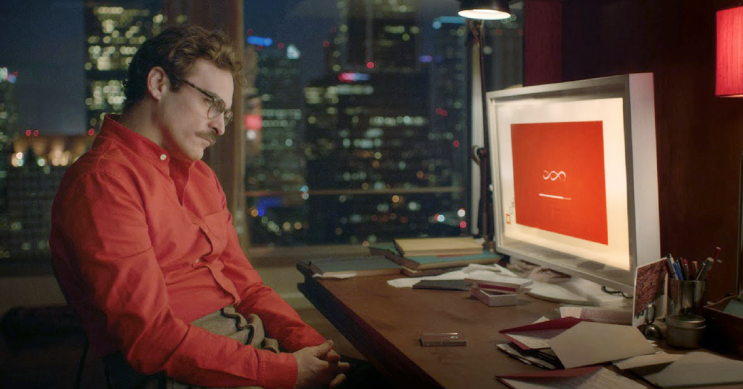
A common way to alleviate negative feelings when most people are free is to return to their desks to open their computers, browsing various websites and emails that are mostly unrelated to work. This behavior does not benefit either their work or mental health as it should.
“One idea that we have been conditioned to believe is that we must work all the time,” says Michael Guttridge, a psychologist studying workplace behavior. “It’s hard to break out of this cycle and go for a walk in the park.” In reality, we are not creating work; we are scrolling through social media reading random things and telling ourselves, “We are multitasking,” even though we are spending more time not completing tasks than we would if we focused on finishing them one by one.
Moreover, we miss out on great opportunities to improve our physical and mental health. “People choose to eat at their desks, which is terrible. They should go out for a walk, visit a coffee shop, anything to get away from the computer,” Guttridge says. “Even factories in the past had break times.”
The idea that hard work leads to good results is not entirely accurate. If we allocate our time appropriately and work with enough focus, we will find that the time spent on each task is not as extensive as we think. Sometimes, activities that should be rewards for ourselves, like watching a movie, are undermined by our subconscious, such as when some people choose to watch videos at 1.25x or even 1.5x speed to finish them faster, causing them to miss out on enjoyment and the chance to soak in a good atmosphere.
How to 'Slack Off'
For Maximum Benefit
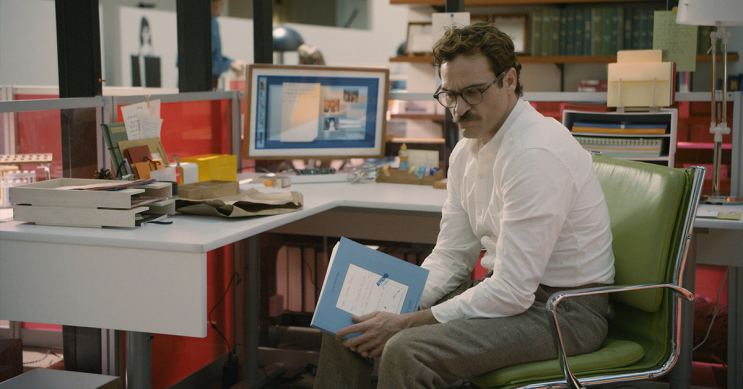
“Allowing yourself time to engage in activities you enjoy is like recharging your life’s batteries and helps your brain organize information to prepare for new experiences.” Taking time to relax without thinking about work leads to creating good work while also fostering appropriate physical and mental health. Therefore, we should all use our free time, such as after work, to read our favorite magazines, take walks in the community, or just roll around in bed as a reward for life, viewing these activities as what they truly are—not 'slacking off' but 'making the most of our time.'
Article from: https://www.weforum.org/agenda/2017/05/this-is-the-psychological-importance-of-wasting-your-time
Thanks to information from www.workventure.com