4 Useful Skills You Can Learn in 8 Hours
Can you learn something new in just 8 hours?
Are you kidding? Usually, it takes thousands of hours to learn new skills, right?
Nope!
The 10,000-hour rule is just for mastering a skill to a level where it's hard to find a competitor. In the past 13 months, I’ve proven that people can learn new skills in just 15 to 20 hours, starting from scratch. I was inspired by a TEDx Talk by Josh Kaufman (The First 20 Hours — How to Learn Anything).
Bill Gates, Jeff Bezos, Elon Musk, Warren Buffett, Barack Obama, Oprah Winfrey, and many famous actors choose to spend time developing new skills, which has led to their current success. It's not because they were born with talent, but because they are dedicated to learning and gaining new experiences.
I carefully consider the topics I want to learn to ensure they are practical and beneficial for a long time. Many of the skills I’ve picked to practice have been useful for thousands of years. Learning these skills isn’t hard at all; dedicating just 8 hours can make you “competent.” And 8 hours is just equivalent to one workday.
However, practicing for long periods on the same thing doesn’t guarantee good results because our brains aren’t designed for that kind of prolonged focus.
The first skill I will present is the foundation of all skills you will learn throughout your life. If you want to change your life forever, let’s get started!
Note: For the best results, I recommend starting with the skill of “learning” before moving on to others.
1. Research Shows! “Learning Often” is Better than “Learning Long”

When I started developing these skills, I was quite lost and didn’t know where to begin. Eventually, I found that the best first step in learning is understanding how our brains work. We need to know how our brains memorize new things. Once we get past this first step, learning new things becomes much easier.
Within a month, I learned how to write in Spanish, compose a catchy song (despite having no musical knowledge), code in Go, and even dance salsa (which I had never done before). Sounds unbelievable, right? Trust me, you won’t feel that way for long. The reason I could do these things is that I learned how to “learn” correctly. Let’s take a look at my method.
How did I develop my learning method?
Honestly, this could fill a book, but to keep this article concise, I recommend you try following these steps:
- Plan your practice: Create a training schedule that focuses on frequency and consistency rather than duration. Practicing every day is even better.
- Find the core: Before starting to learn anything, eliminate the less important aspects. Once you focus on the essentials, it becomes easier.
- Practice repeatedly: You need to use what you learn to remember it. If you don’t use it, you’ll forget it.
- Find a mentor: Having someone knowledgeable to guide you will help you identify blind spots quickly and make corrections easily. If you can’t find one, consider the strengths and weaknesses of your practice methods.
- Measure progress: Besides measuring results, don’t forget to reward yourself and continuously improve those skills. This will help you recognize your progress and keep you motivated.
2. Make Your Debut in the Industry Through “Writing”
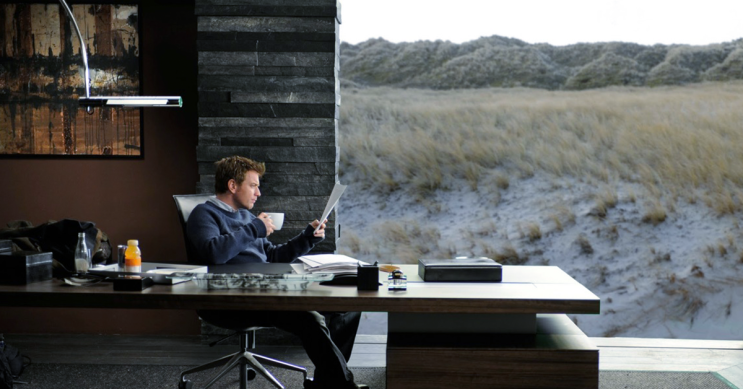
I never thought about learning to write articles before. If you had asked me last year, I would have confidently said I didn’t care. I’m a programmer; I prefer coding. But at the beginning of this year, I decided I wanted to develop my writing skills because it’s the most powerful way to communicate, applicable in both work and daily life.
After just 5 days of writing, my article was featured on The Startup, and 23 days later, I became a Top Writer in 7 categories. Reading comments from fans is incredibly rewarding. Normally, I stop any activity after 30 days of practice, but I’ll make an exception for writing; I’ll keep writing articles.
How did I learn to write?
Like practicing other skills, it’s about doing it consistently. However, one thing most people hesitate to do is “write publicly” because we learn faster when our writing has readers, critics, and feedback. This forces us to continuously improve our skills and make adjustments based on critiques.
If you want to practice writing, I recommend starting a blog and posting articles regularly, at least once a day, even if you’re not satisfied with the results or if it’s not perfect. It’s not something you need to force anyone to read.
What to do in the first 8 hours?
Write articles that are at least 300 words long within 30 to 45 minutes each day and publish them on your chosen blog.
How will this change your life?
Writing helps you truly understand yourself, know who you are, and identify the direction you want to develop in. Moreover, that piece of writing may inspire many readers.
Interesting Resources
3. Win Every Battle if You’re “Good at Negotiating”

Negotiation is one of the skills I took a bit longer to learn. I consider trading and saying “yes” and “no” as part of negotiation too. Ask yourself, how often do you close a win-win deal for both parties? If you ask me what negotiation is, I’d say if a deal has only one side winning, that’s not negotiation; that’s a loss.
How did I learn this?
Every time you negotiate something, think of a win-win solution. In reality, there are situations requiring decisions at every moment of life. Consider this:
Where should we eat tonight? How should we get there? What channel should we watch on TV tonight?
Once you realize that negotiation is one of the fundamental skills to practice, you’ll find that various situations around you are excellent exercises with no serious consequences even if you fail (but for the brave househusbands… proceed at your own risk). If you’re unsure where to start, I recommend Googling “negotiation in the workplace.” You’ll find plenty of interesting articles and topics.
What to do in the first 8 hours?
Prepare simple role-playing scenarios with a friend. Create about 8 cases from various settings, such as work, bargaining, business, etc., and find a friend to practice with you for 15 minutes on each topic every week. You’ll see results in a month.
How has this changed my life?
For office workers, this skill can help increase your salary and benefits. Additionally, you’ll get to work on projects you’re interested in, reduce uninteresting tasks, and lessen the workload that doesn’t align with your strengths.
For job seekers, you’ll learn how to impress HR and ace job interviews. In your personal life, you’ll handle relationship issues more easily, leading to fewer arguments with friends and partners.
Moreover, when you go to the market, negotiation skills are essential. Imagine bargaining at Chatuchak; trust me, many items have a significant markup. If you dare to negotiate skillfully, the vendors will likely sell to you. Business customers will also be more inclined to follow your lead.
Above all, successful negotiations will boost your confidence.
Free and Fun Resources
https://blog.blackswanltd.com/
https://www.pon.harvard.edu/daily/negotiation-skills-daily
4. “Coordination and Flexibility” – The Secret to Health
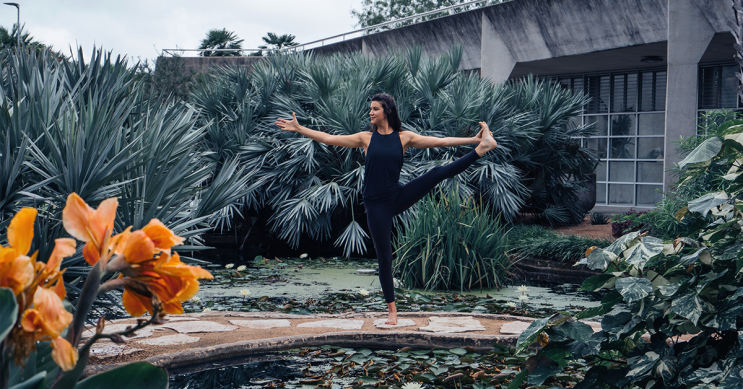
When you think of coordination and flexibility in scheduling, that’s good, but I’m talking about “physical skills” seriously… Yes, the main topic is muscle coordination and body flexibility.
In our lives, having good physical skills and flexibility is crucial for maintaining physical health. If we’re not strong enough, this becomes incredibly challenging to practice.
Back when I was in Spain, I was walking along the beach when I saw a guy with a great physique stretching, so I approached him to ask for tips on how to achieve a body like that. He actually had some techniques to share, which sounded easy yet unbelievable.
His secret wasn’t lifting weights and consuming protein heavily. In reality, he just maintained a balanced diet and exercised with stretching every day. Plus, he was a vegetarian, getting high-quality protein from various beans. If consumed in moderation, it can also build muscle.
How did I learn this?
He showed me how to stretch. Honestly, it’s hard to write down, so I’ll just share some links for you. If you do this every day, you’ll definitely see results. The most important thing is that you can stretch anywhere (as long as you don’t care about others watching). Most stretches don’t require special equipment, or if they do, you can use common items found around you.
Stretching in the first 8 hours
Option A: Stretch at home for 15 minutes a day for about 24 days.
Option B: Find a good yoga class and attend for an hour each day.
How has this changed my life?
This skill has opened new doors for me. The stronger and more flexible we are, the better our lives become. Not only does it make sports and outdoor activities more enjoyable, but it also positively impacts blood pressure and other health aspects.
Good Resources
Stretching with resistance bands: https://i.pinimg.com/originals/5f/78/5e/5f785eefca53ea1d53c5ae44c593984b.jpg
Stretching without equipment: https://www.sparkpeople.com/resource/fitness_articles.asp?id=1261
Stretching without equipment (more serious): https://www.sparkpeople.com/resource/fitness_articles.asp?id=1265
Stretching without equipment (even more serious, plus a video):
In Summary
4 skills x 8 hours per skill = 32 hours that will change your life forever.
Even though it’s just 32 hours, I want you to practice gradually without rushing. Just 15 to 30 minutes a day is enough. If you want to improve your life, go for it! You can definitely do it.
Article from: https://medium.com/swlh/8-timeless-skills-to-learn-now-in-under-8-hours-to-change-your-life-forever-75e7b339373a
Thanks for the information from www.workventure.com