Food Poisoning: A Common Illness Among Travelers
Food Poisoning: A Common Illness Among Travelers
As the year draws to a close and vacation days remain unused, many people choose this time to escape the heat to higher altitudes, believing that "the higher you go, the colder it gets" making various mountains a popular destination for many. However, while preparing to experience the cold, one crucial aspect that many often overlook is food safety.
Every journey requires preparation, whether it’s packing convenient gear, bringing medications, checking vehicles, and importantly, preparing for food safety. Today, the team at the Thai Health Promotion Foundation would like to highlight a common illness that travelers frequently encounter: ‘food poisoning’.
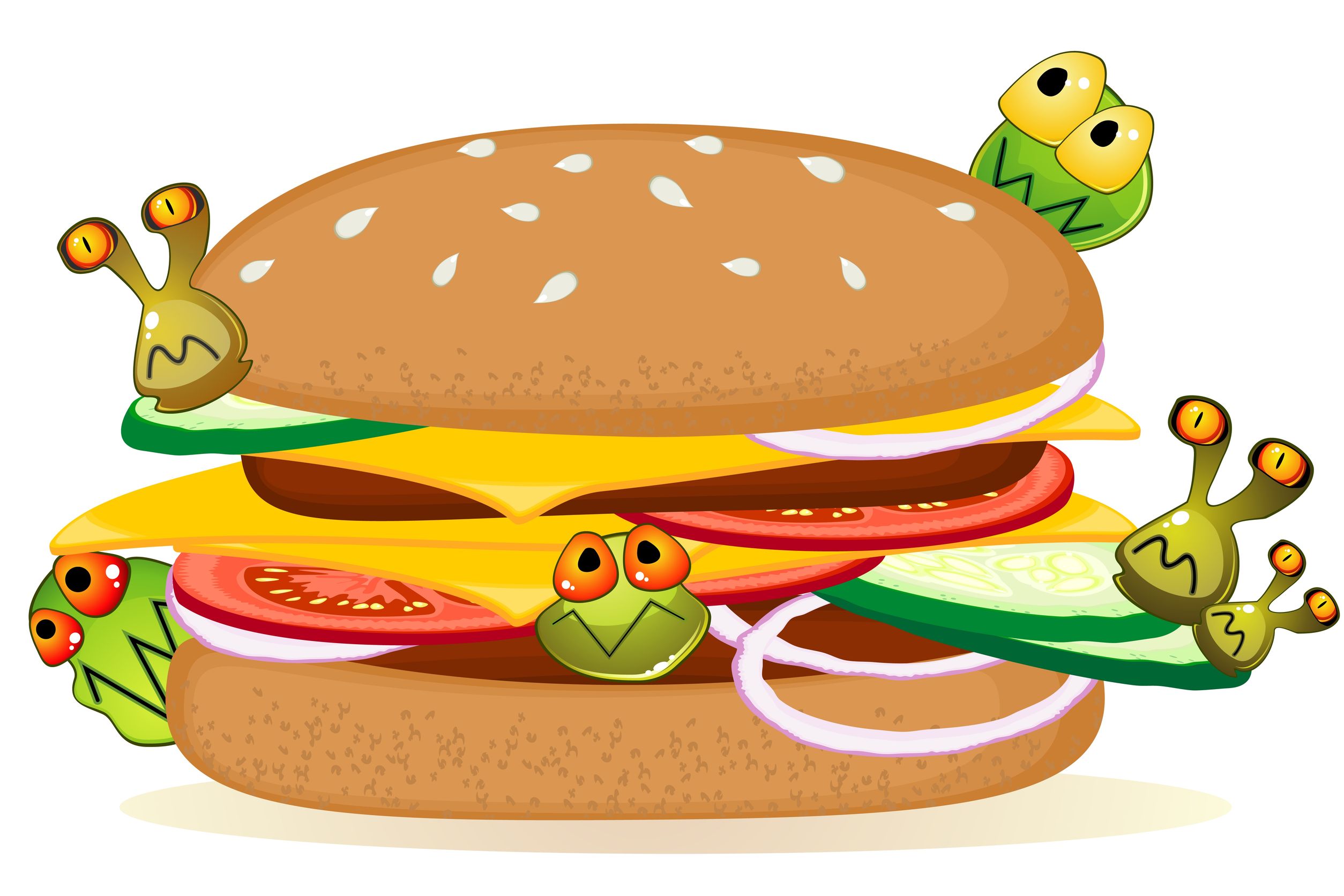
Food poisoning is a broad term used to describe illnesses caused by consuming contaminated food or drinks, including those tainted with bacteria, viruses, etc., as well as undercooked food or leftovers that haven’t been refrigerated. Symptoms of food poisoning typically include nausea, vomiting, fever, abdominal pain, watery diarrhea, headaches, and body aches. If symptoms include frequent diarrhea or watery stools, it can lead to dehydration and electrolyte imbalances, or even severe infections. Therefore, preventing food poisoning is something travelers must be aware of, as experiencing these symptoms can ruin a holiday escape.
How to Prevent Food Poisoning
- Choose well-prepared food.
- Cook food thoroughly before consumption.
- Prefer freshly cooked meals.
- Be cautious of cross-contamination with cooked food.
- Reheat leftovers until hot before eating.
- Keep raw and cooked foods separate to avoid contamination.
- Wash hands thoroughly before cooking and eating, especially after using the restroom.
- Maintain cleanliness in food preparation areas.
- Store food safely away from insects, rodents, or other animals.
- Use clean water for cooking.

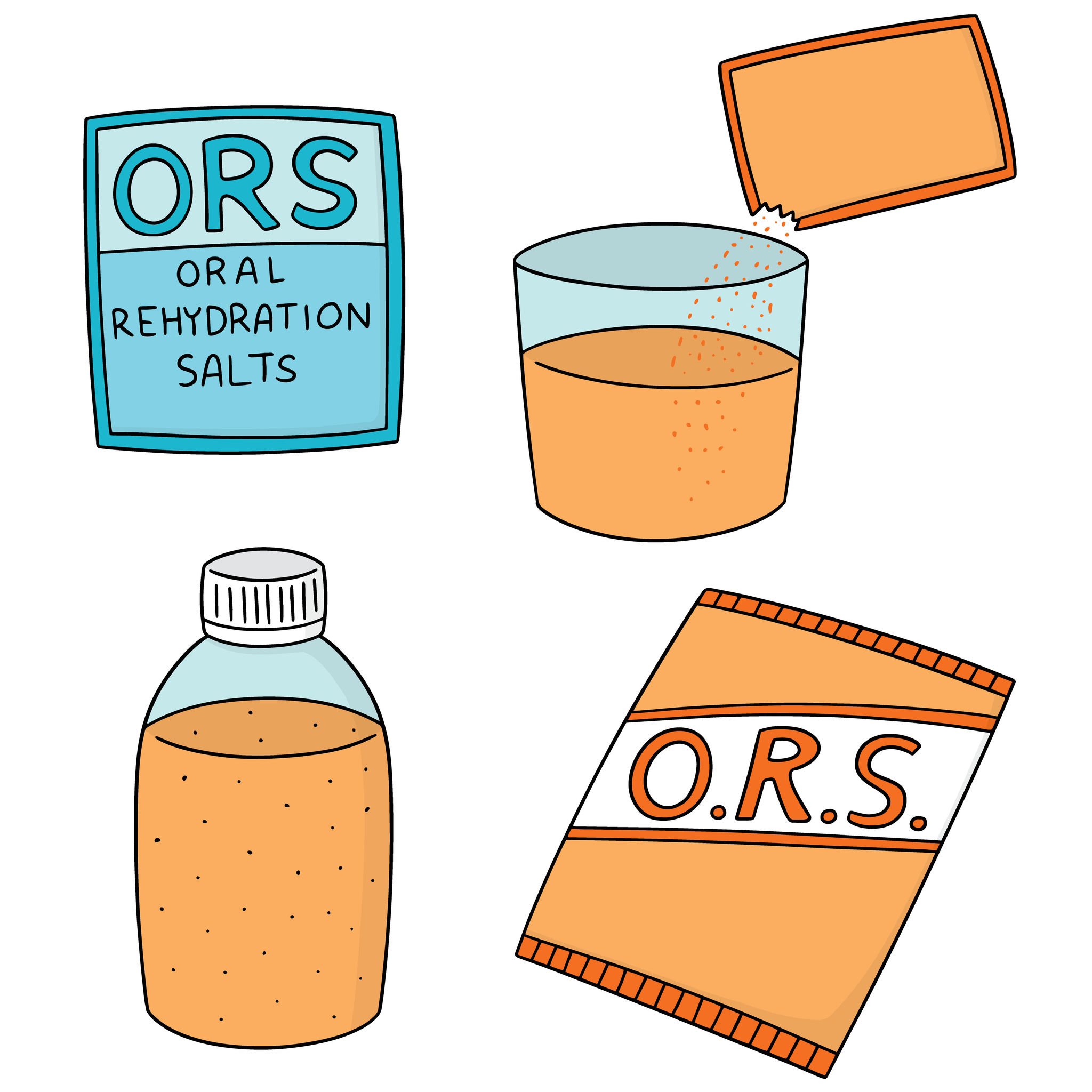
What to Do If You Experience Food Poisoning While Traveling? Sometimes we may forget or make mistakes, especially when traveling in remote areas, requiring basic first aid or self-care based on symptoms. Treatment for food poisoning usually focuses on symptom relief. If the patient can still eat, they should drink plain water and sip on oral rehydration salts (ORS) to prevent dehydration. Eating easily digestible foods is recommended, but if symptoms include vomiting, bloody diarrhea, or fever, immediate medical attention is necessary. ORS is an essential item to keep in your first aid kit.
Knowledge Nugget
Generally, there are two types of oral rehydration salts available: those for diarrhea (Oral Rehydration Salt or ORS) and those for athletes losing sweat during exercise (Oral Rehydration Therapy or ORT).
ORS for diarrhea comes in powdered form, as the body loses water and electrolytes rapidly during diarrhea. Therefore, it is crucial to replenish water and electrolytes, which differs from the loss of water or sweat during exercise. Sports drinks are classified as food in the beverage category, with different proportions of electrolytes and sugars compared to ORS, and are used solely to replenish fluids and electrolytes after exercise.
In addition to self-care and preventing food poisoning, Dr. Atsadang Ruayachin, Deputy Director-General and Spokesperson for the Department of Disease Control has also warned of 10 dishes that require special caution:
- Raw Larb/Koi
- Spicy Shrimp Salad
- Spicy Clam Salad/Seafood Salad
- Fried Rice with Crab Meat
- Dishes or desserts containing fresh coconut milk
- Rice Noodles
- Chicken Rice
- Som Tum (Papaya Salad)
- Vegetable Salad
- Ice made from non-standard sources
It’s not that these dishes are forbidden, but they should only be consumed when freshly prepared and clean. Avoid cooking methods like blanching or serving raw or undercooked items, and adhere to the principle of ‘Eat hot, use serving utensils, wash hands’ to prevent food poisoning symptoms that may occur unknowingly.

Even if you are not traveling to other provinces or countries, entering the winter season may not make us feel cold, but the alternating hot and cold weather, along with the chill at night, can cause our bodies to struggle to adapt and lead to various illnesses. Therefore, maintaining good health and eating a balanced diet will help us resist illnesses to some extent.
Thank you for the information from www.thaihealth.or.th