
Let's Eat Eggs
“Mom... what’s for breakfast this morning?” A cheerful voice shouted from upstairs, accompanied by the sound of footsteps running down the stairs, indicating the hunger of the morning.
“Today, we have boiled eggs!” replied the mother from the kitchen, smiling with pride, holding the small boiled eggs that she knew would be immensely beneficial for her beloved child.
Eggs are a staple in Thai kitchens and are highly nutritious. The protein in eggs is considered a standard by nutritionists for comparing proteins from other food sources because eggs contain all eight essential amino acids: Isoleucine helps promote growth and nervous system function, aiding learning; Leucine stimulates brain activity and boosts muscle power; Lysine repairs worn-out muscles, serves as a precursor to carnitine which helps burn fat, aids concentration, and absorbs calcium, thus preventing osteoporosis; Methionine acts as an antioxidant, detoxifies the body, and helps break down fats; Phenylalanine increases alertness, enhances memory, alleviates depression, and reduces appetite; Threonine boosts immunity, aids fat metabolism, and benefits the digestive system and nutrient absorption; Tryptophan reduces stress and depression, alleviates migraines, and promotes natural sleep; and Valine stimulates brain performance and muscle coordination. Additionally, eggs contain vitamins A, B, C, K, and various minerals including iron, phosphorus, calcium, sodium, and potassium.
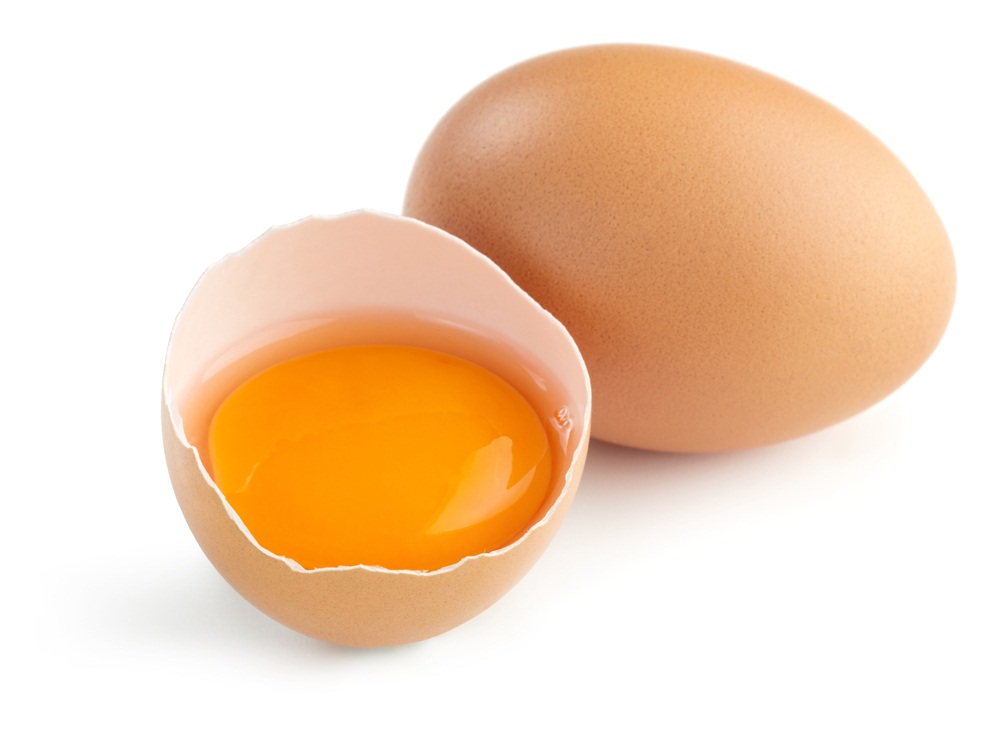
There are many beliefs surrounding eggs, such as avoiding eggs when having wounds or fearing cholesterol from eating eggs. Many people still wonder if these beliefs hold true. According to Dr. Mongkol Kaewsuthat, Executive Committee Member of the World Poultry Science Association, Thailand, in an interview with Matichon Online, he stated that the fear of cholesterol is a misconception because, in reality, cholesterol is divided into two parts: the cholesterol produced by the liver from excess energy, such as from overeating carbohydrates, which accounts for about 75% of the body’s cholesterol, and the cholesterol obtained directly from food, which is only 25%. Therefore, reducing egg consumption does not lower cholesterol levels.
Similarly, Professor Sanga Damapong, an advisor to the Department of Health and a nutrition expert at the Health Promotion Foundation (ThaiHealth), provided information that the difference between egg yolks and egg whites is that the yolk has more nutritional value than the white. However, egg whites also contain protein but have fewer vitamins and minerals than yolks. Importantly, egg whites contain no cholesterol, which is only found in the yolk. This belief that eggs cause scarring is incorrect; in fact, eggs can help wounds heal faster due to their protein content. There is no research confirming that eating eggs raises cholesterol levels; those with high cholesterol typically consume diets high in starch, fats, and sugars with little vegetable intake and lack exercise, which are the real causes of high cholesterol.

Next, the question arises: with all these health benefits, how many eggs should we eat daily to meet our needs and benefit our bodies, considering age? Professor Sanga stated that nutritionists recommend eating both egg whites and yolks, not choosing one over the other. The principle is that healthy individuals from age one to the elderly, if not ill, have no chronic diseases, and are not overweight, can eat one egg a day. Children can eat 1-2 eggs daily. For adults who have health check-ups showing excess fat or diabetes, they can consume 2-3 eggs a week, but some may need to follow their doctor's advice, which may restrict egg consumption. However, eggs are not forbidden food.

Cooking methods for egg dishes are varied, including boiled eggs, steamed eggs, omelets, fried eggs, and many other egg recipes, all providing equal nutritional value, with only differences in calorie content. A boiled egg contains about 70 calories, a fried egg about 150 calories, and an omelet about 240 calories. Nutritionists recommend regularly consuming boiled and steamed eggs for health benefits, while fried eggs and omelets can be eaten, but should be made with less oil.
Professor Sanga concluded, “Nowadays, Thai people eat very few eggs, less than people in many Asian countries, because we fear eggs. Therefore, we should not be afraid to eat eggs because they are highly nutritious. Eggs contain lecithin, choline, and vitamin B12, which are nutrients that are hard to find in other foods, and they are abundant in eggs. They provide quality protein at a low cost. Additionally, eggs can be transformed into various dishes, making them a staple food in Thai kitchens.”
Knowing this, in the current economic situation, spending less money for high nutritional food is an interesting choice. Regardless of age, everyone can eat eggs and maintain good health. In addition to following nutritional guidelines, exercising and mental health are also important aspects to care for alongside diet. The Health Promotion Foundation (ThaiHealth) supports Thai people in achieving good physical, mental, intellectual, and social health by organizing various activities that promote health, including exercise promotion, mental health initiatives, and the development of health-promoting environments. These activities all contribute to enhancing the quality of life for Thai people.
Thank you for the information from www.thaihealth.or.th