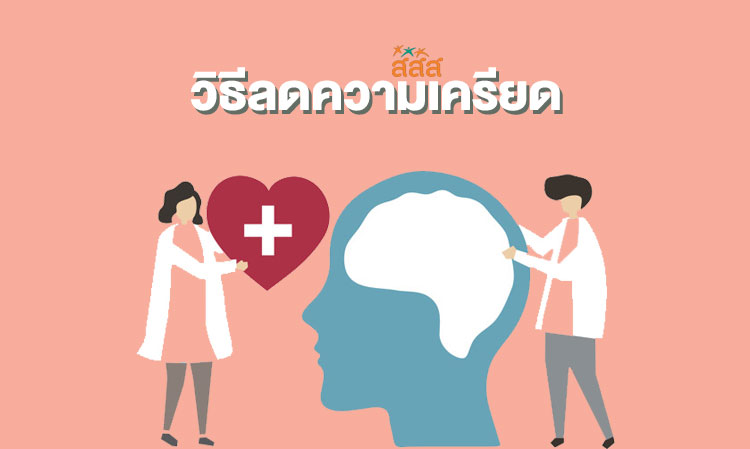
Ways to Reduce Stress
Stress arises from stimuli or triggers in our environment. Therefore, if we can reduce the intensity of these stimuli, our body and mind will be happier and healthier.
Managing stress should not focus solely on alleviating symptoms, such as taking painkillers, sleeping pills, or muscle relaxants, which can lead to dependency on medication and often require increasing dosages. Stopping these medications can lead to heightened stress. Additionally, turning to smoking, drinking alcohol, or consuming caffeinated energy drinks for temporary relief can create a similar dependency, requiring larger amounts over time. Some people cope with stress by consuming sweets or large quantities of food, leading to obesity, which exacerbates stress and is detrimental to health.
However, many alternative methods for reducing stress have been suggested.
- Meditation: Practicing mindfulness, breathing exercises, or yoga can calm the mind, reduce oxygen consumption, and promote relaxation.
- Relaxation techniques: Lying flat on the floor, listening to soft music, tensing facial muscles, and then releasing them can help.
- Biofeedback methods: Using muscle electrical activity recordings to compare tense muscles with normal ones, allowing individuals to see or hear muscle activity on a screen or speaker, and training to reduce these sounds by relaxing the muscles.
- It is widely accepted that massage can relieve muscle tension and stress, especially facial massages which can promote better sleep.
- Adjusting posture: Maintaining a relaxed position for muscles, whether sitting, lying down, or working.
- Swimming or floating in water.
- Engaging in repetitive exercises: Such as Tai Chi, Qigong, gymnastics, slow-paced dance, traditional Thai dance, ballet, etc.
When we are not stressed, our minds are at ease, our thoughts are clear, and our bodies are strong, which leads to achieving our goals.
Thank you for the information from www.thaihealth.or.th