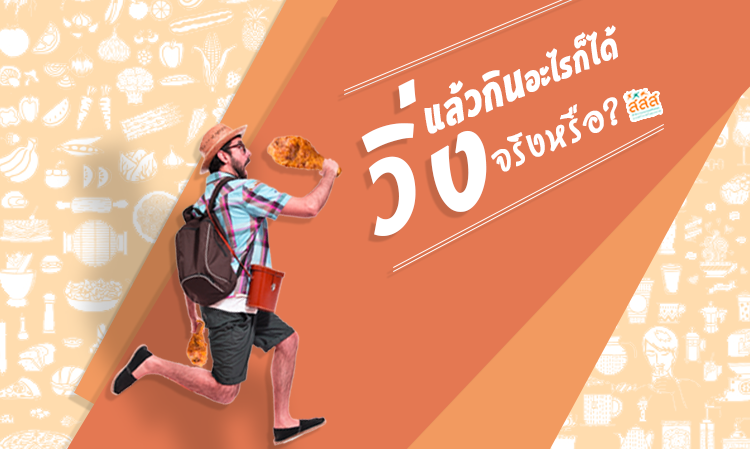
Can You Really Eat Anything After Running?
Is running becoming a trend these days?
I thought to myself while staring at my smartphone, the screen displaying a social media platform. Suddenly, my eyes stopped on a photo of a friend running and proudly holding a medal in their hand, appearing in my feed the moment I logged in. Scrolling further, I came across another friend announcing they were looking for running buddies for practice this evening. After scrolling for a while, my gaze landed on the details of a running event with a distance of 10 km. At that moment, a colleague from the next desk, noticing that my phone was stuck on the registration page, quickly invited me without hesitation, "Want to go for a run?" I diverted my gaze from the screen, took off my trusty glasses, and replied with determined eyes, "Sure, let's go!"

Yes... I decided to register for this run. At first, I thought that 10 km would be easy and didn't require much preparation. But then I realized, suddenly being asked to run that distance without any preparation or planning seemed a bit much. Besides practicing running, preparing clothes, and gathering equipment, what else do I need to learn? The question, "Can you really eat anything after running?" made me ponder. As I began to seek answers, I discovered...
In terms of consuming food for good health, the Nutrition Division of the Department of Health has provided guidelines based on the 9 Nutritional Principles or practices for healthy eating for Thai people as follows:
1. Eat a balanced diet with all 5 food groups, ensuring variety and controlling body weight.
2. Make rice the staple and alternate with starchy foods occasionally, such as brown rice or whole grain rice, as they are high in fiber, vitamins, and minerals. You may also consume products from rice and other grains like noodles, rice vermicelli, bread, taro, and sweet potatoes.
3. Eat plenty of vegetables and regularly consume fruits, as they provide vitamins and minerals, along with other essential substances for the body, such as dietary fiber which aids digestion, reduces cholesterol, and eliminates certain carcinogenic toxins from the body.
4. Regularly consume fish, meat, eggs, and legumes.
5. Drink milk appropriately for your age. Milk and dairy products are sources of calcium and phosphorus, which help strengthen bones and teeth. They also contain protein and fatty acids.
6. Consume fats in moderation.
7. Avoid overly sweet, salty, and spicy foods.
8. Eat clean food free from contaminants. Contaminants in food can be organic and inorganic substances, including microorganisms that cause diseases in the body, such as bacteria, viruses, parasites, and chemicals like preservatives, colorants, and flavorings. It is advisable to consume freshly cooked or prepared food.
9. Avoid or reduce alcoholic beverages or foods.
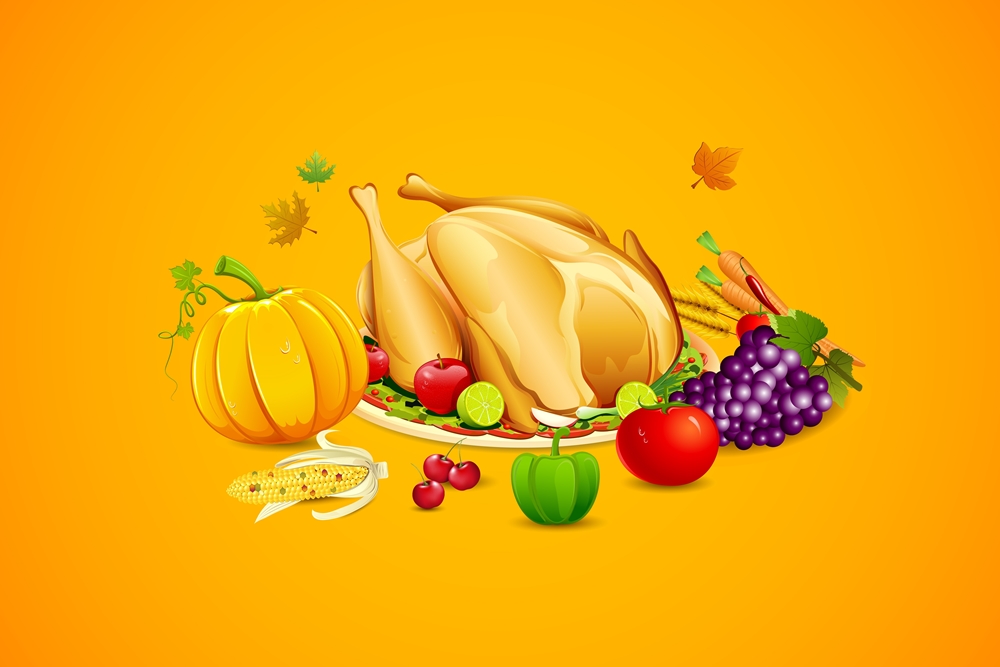
In our daily lives, we already know that we should eat a balanced diet with all 5 food groups. However, for runners or athletes, the requirements may be more specific than for the average person. Professor Sanga Damapong, a nutrition expert and advisor to the Department of Health, has stated that generally, the diet of regular people and athletes is not significantly different, but athletes expend more energy and therefore need to consume more food. Eating according to nutritional principles before, during, and after competitions will help athletes perform better and achieve victory more than halfway. Thus, preparing for all three phases is essential and something that runners and athletes should understand for the finish line ahead.
Eating Before the Competition
1. Eat a main meal 2-3 hours before the race.
2. Consume foods high in carbohydrates and protein to increase glycogen storage.
3. Avoid fatty, salty, high-fiber, and unusual foods.
4. 15-20 minutes before the race, drink/eat foods with some sugar, such as sweet drinks or fruits.
Eating During the Competition
1. If competing for less than 30 minutes, no need to drink anything.
2. If competing for more than 30-60 minutes, drink water during breaks.
3. If competing for more than 2-3 hours, sip water gradually to maintain hydration balance.
Eating After the Competition
1. Rehydrate with water or low-sugar fruit juice (plain water is best).
2. Consume carbohydrates within 15 minutes to replenish glycogen.
3. Eating high-carbohydrate foods will help recover the body.
4. Consume protein normally, but keep fats moderate.

With this knowledge, conquering 10 km shouldn't be too difficult. In about 10 weeks, the Run for a New Life event or Thaihealth Day Run 2018, organized by the Health Promotion Foundation (Thaihealth) in collaboration with the Thai Health Walking and Running Federation and partner networks, will continue to be held annually to promote good health among Thais and create new runners. There is still time for you readers to prepare and get ready in various aspects, including nutrition, as presented by the Thaihealth website team today. We wish to be a source of encouragement for new runners and all runners to conquer this challenge and succeed in this run.
Thank you for the information from www.thaihealth.or.th