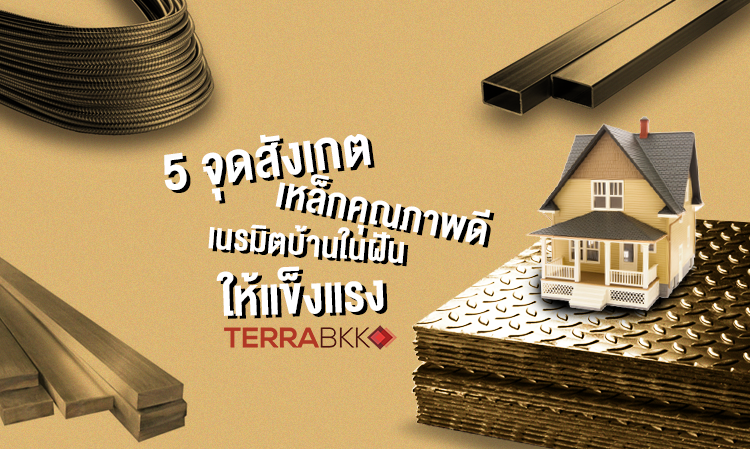
5 Key Points to Identify Quality Steel for a Strong Dream Home
5 Key Points to Identify Quality Steel for a Strong Dream Home
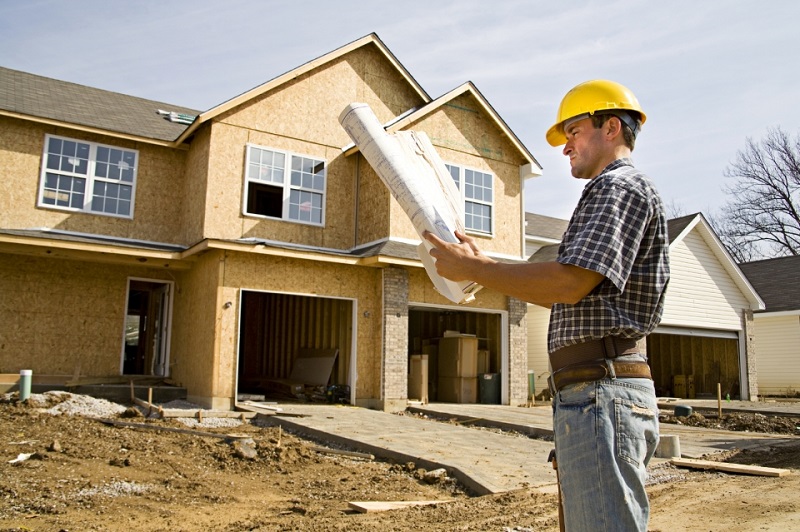
Many people certainly have plans to enhance their dream home to perfection. However, there are several factors to consider beyond aesthetics when planning an extension. The first essential aspect to understand is the legal requirements for home extensions, which must comply with regulations. Equally important is the strength and stability of the house itself, which involves considering the "main structure within the home," a crucial aspect that builders should be aware of.
Mr. Chai Chalerm Boonyanuwat, Assistant Managing Director - Marketing and Sales of Tata Steel (Thailand) Public Company Limited, stated that the internal structure of a house is vital for any extension. If the structure is not strong, it may lead to subsidence, instability, and damage, resulting in additional repair costs. Therefore, Tata Steel has compiled five key points for identifying quality steel, so those planning to build or extend their homes can study these before proceeding:
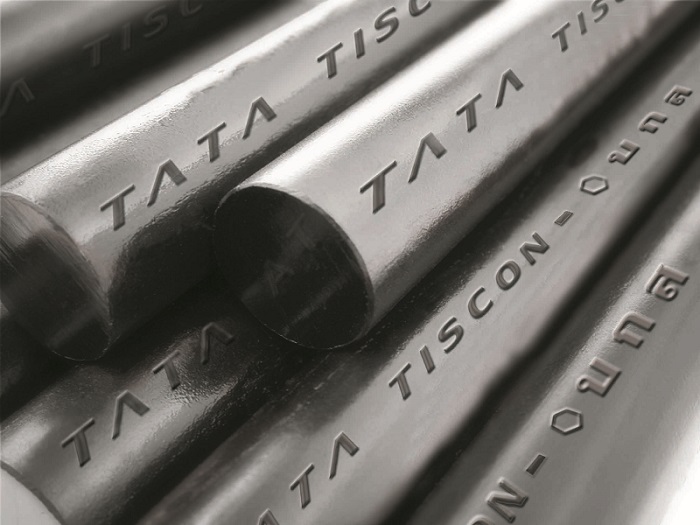
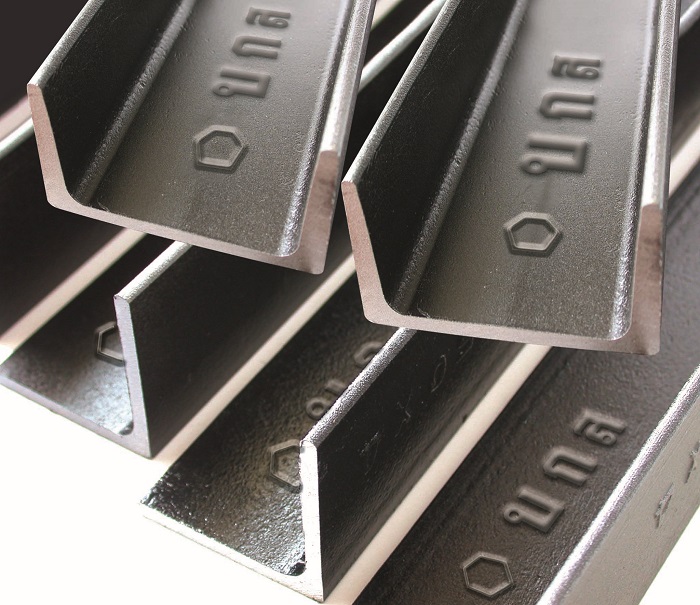
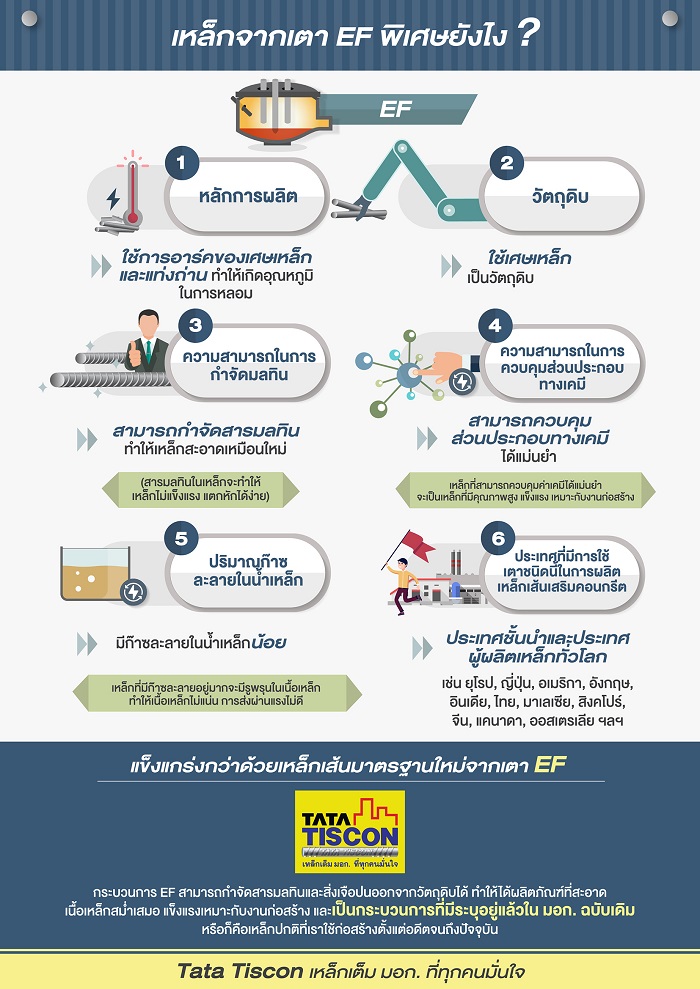
1. Raised Markings on Steel: According to the Industrial Product Standards (ISO), construction steel bars, both round and deformed bars, must display essential information on every bar, including the trademark, manufacturer, product type, quality grade, size, and production process (e.g., EF). If all details are present, you can be assured that the steel meets ISO standards and is of good quality, suitable for use.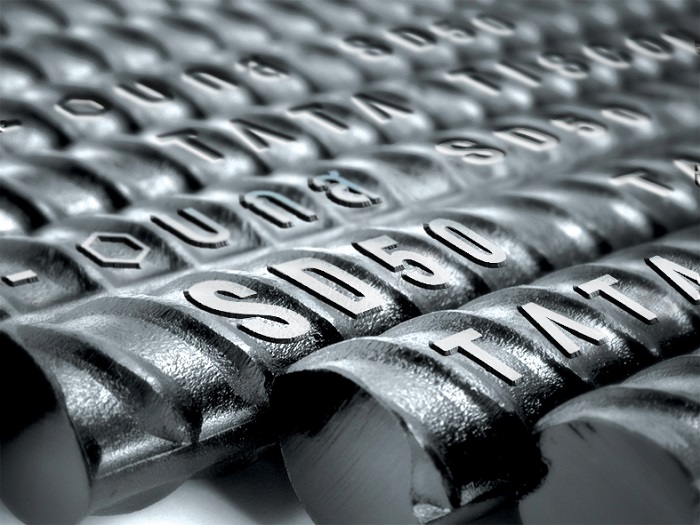
2. Surface Quality: Round steel bars should have a smooth surface, free from wings or waves, and must have a circular cross-section without distortion or cracks. Deformed bars should have evenly spaced and consistent ribs along their length, with no cracks.
3. Size and Weight: Good quality steel must have the correct diameter and weight as specified. For example, a round bar labeled SR24 should measure 9 mm in diameter and weigh 499 kg per meter length, with standard lengths typically being 10 meters.
4. Bendability Without Cracking: Construction steel bars are often bent to fit the shapes of structures. Quality steel should be able to bend according to standards without cracking or breaking easily.
5. Rust-Free: Good quality steel should not have pitting rust, as this type of rust penetrates the steel, reducing its strength. Surface rust can occur on the steel but is not harmful to its use or strength. To check for surface rust, use a cloth or sandpaper to rub the rusted area. If the rust comes off easily without deep pitting in the steel, it is surface rust and can be used. However, if deep rust is found or cannot be removed, it indicates pitting rust, which should not be used.
Remember, every time you build or extend your home, planning from the selection of materials is crucial for builders and renovators. Especially steel, which is the heart of the building's structure. Choosing non-standard steel can weaken the structure, leading to damage and potential loss of life and property. While selecting construction materials may seem distant, it is not overly difficult if you study product details carefully and keep up with new production standards regularly. This way, you can be a modern builder or renovator who can select and inspect construction materials independently, while also being informed about contractors to ensure quality materials for truly building your dream home.
Thank you for the information from Tata Steel (Thailand) Public Company Limited.