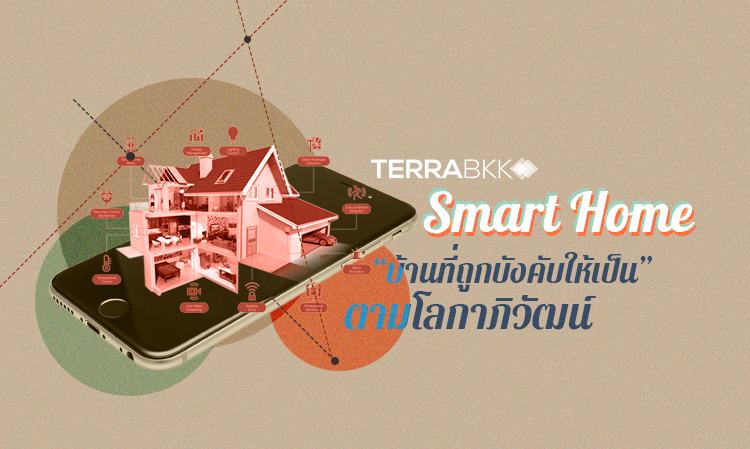
Smart Home: A House 'Forced to Be' in a Globalized World
Have you ever wondered whether the integration of technology into various aspects of daily life is something that humans are "driving" to happen, or are we actually "being forced" to do it? In the Thai real estate sector, one of the most prominent trends is the "Smart Home". It's unclear who sparked this trend first, but today, "Smart Homes" have become a norm that developers must adapt to in their project developments.
So what does the term "globalization" mean in the context of "houses being forced to be"? TerraBKK believes that it refers to the development of real estate to accommodate changes in modern times. As our world is driven by technology, new options are increasingly playing a role in various stages of real estate development. Products like homes are being designed to respond to commands via mobile phones, such as controlling electrical appliances within the house rather than using traditional switches. The development of construction technology is speeding up in this era, including the utilization of alternative energy. Who would have thought that in the future, every house might be able to generate its own electricity?
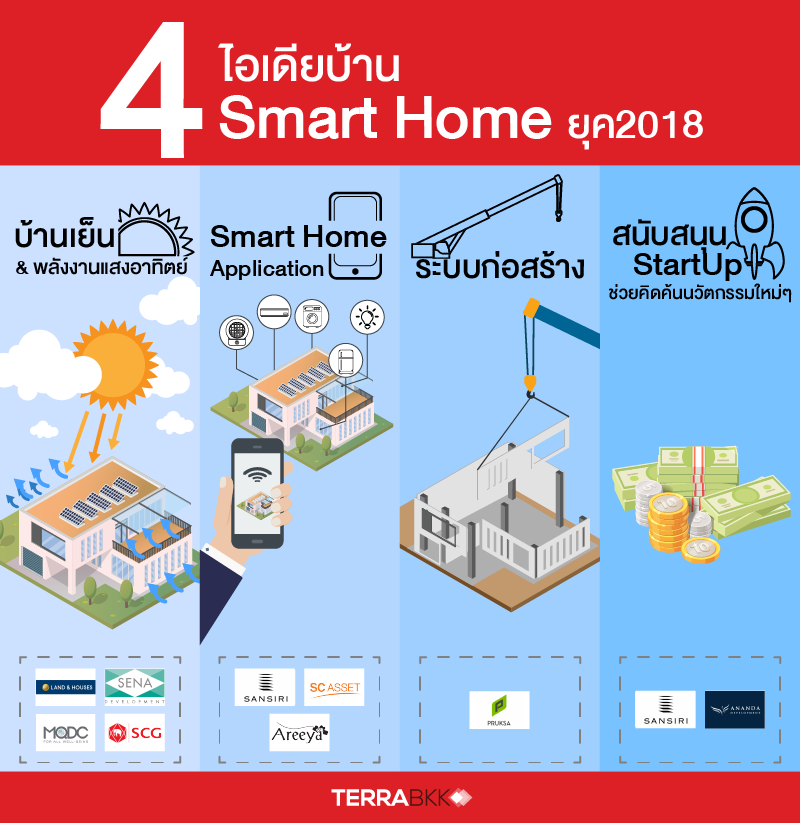
TerraBKK has identified four main categories of Smart Homes that developers are presenting to consumers:
Smart Home with Air Circulation and Solar Energy Systems
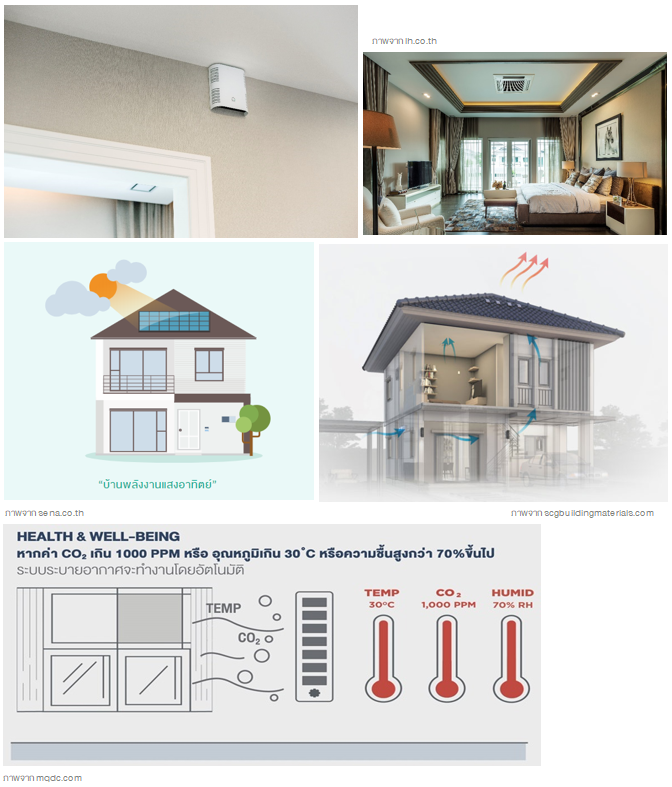
"Breathable House" from Land and Houses has been developed over the past five years. The principle is to draw fresh air from outside to replace the stale air inside the house, creating a continuous circulation of fresh air. This helps reduce heat accumulation and humidity at all times, making it feel like the house can breathe. This innovation costs about 1% of the house price and can operate automatically 24 hours a day using solar energy and electricity from within the house, with an estimated electricity cost of no more than 5 baht per night.
"Sena Solar" from Sena Development surpasses typical energy-efficient homes by using self-generated electricity and even creating income by selling electricity back to the government if the law is seriously implemented. This concept is already a reality, although the solar energy generated is currently used for the project's common areas. Additionally, Sena has established a new subsidiary named Sena Solar Energy Co., Ltd., which operates a comprehensive solar energy business.
"Home Intelligent System" from Magnolia develops an indoor air quality system using ERV (Energy Recovery Ventilation), which is one of the mechanisms to increase oxygen levels in air-conditioned rooms according to the number of occupants. If the carbon dioxide (CO2) level exceeds the set limit, the system will automatically connect to the ERV to bring in outside air and expel indoor air outside the building.
"Active AIRflow TM System" from SCG creates a ventilation mechanism by transferring heat out of the house and roof space 7-10 times per hour, helping to save electricity and allowing air conditioning to cool down faster. Similar innovations can be found in various current housing projects.
Smart Home with Smart Home Application Systems
Smart Home Applications are fundamental features that smart homes often present, so it's no surprise to see real estate developers frequently promoting these. Besides housing projects, appliances like Samsung have also developed applications to control home appliances. Let's take a look at the applications from major developers:
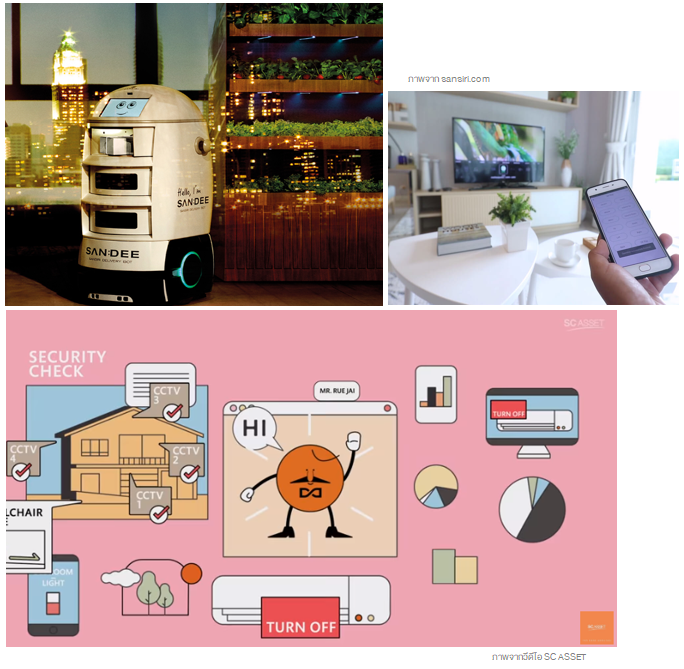
"SIRI LIFETECH" from Sansiri offers innovations for a new lifestyle, such as the Sansiri Home Service Application, which controls lights, air conditioning, and reserves common area usage through the app. The SAN:DEE Delivery Robot allows residents to request delivery of packages to their rooms via the application, with the robot equipped with navigation systems to avoid obstacles and capable of using elevators independently, carrying up to 80 kilograms. The Sansiri AI Box can respond to voice commands in Thai, a first in the country.
"Smart Home with Heart" from SC ASSET collaborates with AIS to control various devices within the home via the internet through a mobile application, such as controlling the home security system.
"AREEYA Family Application Version 2" from Ariya facilitates after-sales service during the warranty period, allowing residents to report issues by taking photos of the problem areas, uploading them, and selecting their preferred date and time for repairs, receiving confirmation along with the name and appearance of the technician immediately.
Smart Home with Construction Systems
Smart Homes can start from the construction phase. How can we build faster while maintaining quality? The integration of technology into the construction process is therefore unavoidable.
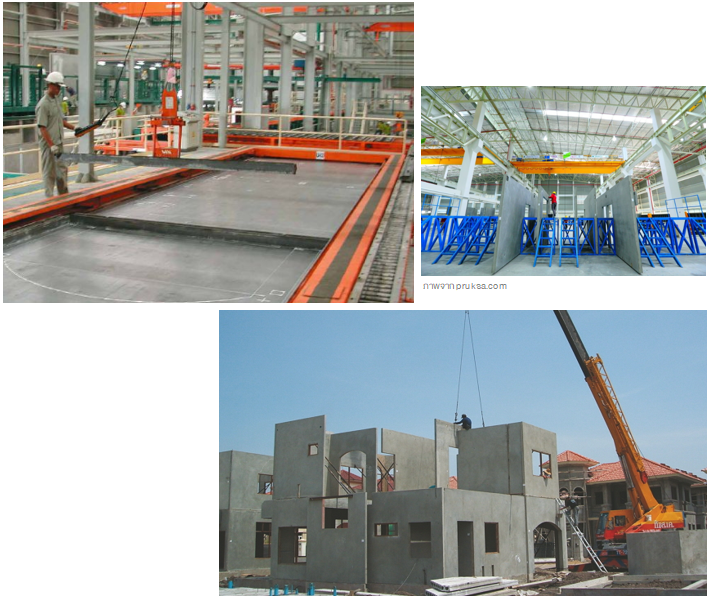
"Pruksa 4.0" from Pruksa maintains its leadership in the country in precast construction technology, continuously developing construction systems. For example,
• In 2012, the REM (Real Estate Manufacturing) construction innovation was introduced, with a team of experts in various construction areas, such as piling, foundation work, and plumbing, reducing production time to 21 days (from an average of 45 days).
• In 2013, the BIM (Building Information Management) system was implemented to create 3D designs and estimate materials comprehensively, reducing work steps through computer calculations.
• In 2014, the Smart Home Inspection Program (I-Inspection II) improved the efficiency of home inspections for customers via tablets, allowing for faster home delivery.
Additionally, there is a focus on creating innovations in four areas: Smart-Product, developing products to enhance value through functional design within homes; Smart-Marketing, using digital marketing to align with digital-age customers; Smart-Home Application, developing services that extend beyond the home, such as car washing, beauty services, and laundry.
Smart Home with Technology Support
Taking a step further, these developers not only develop their own Smart Home products but also create a community ready to innovate new technologies to enhance their core business products. This not only brings new innovative ideas from various startups but also helps build a brand that is memorable to a new customer demographic, particularly the younger generation.
"UrbanTech" from Ananda focuses on three main factors driving innovation strategy: Ecosystem Support, supporting leading incubator and accelerator activities, such as sponsoring Hackathon competitions with Hubba, a co-working space in Thailand; Fund of Funds, investing in VC funds globally to access international startups; and Corporate Venture Capital, investing directly in tech startups that can develop the core business of the company.
"SIRI VENTURE" from Sansiri partners with Siam Commercial Bank, consisting of three main components: investing 100 million baht to develop technology and innovations for real estate and housing; co-investing and enhancing the Home Service mobile application for Sansiri residents; and establishing a startup accelerator program focused on Property Technology for the first time in Thailand (Property Technology Accelerator), aiming to create a network of at least 300 Property Technology companies by 2020.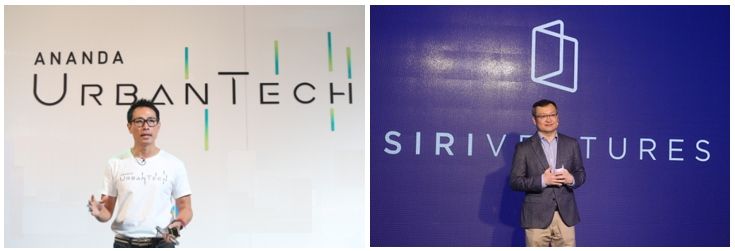
Ultimately, TerraBKK believes that "technology" has no end and is becoming increasingly short-lived with the emergence of new innovations. Amidst all this excitement, we must remember and acknowledge the resulting impacts in one way or another, such as issues arising when the internet is down, high repair costs when facilities become obsolete, health problems due to reduced physical activity from technological convenience, and the burden of waste from expired technology components. ---TerraBKK
Article by: TerraBKK Investment Tips
TerraBKK Find Good Homes, Value for Money, Affordable Prices