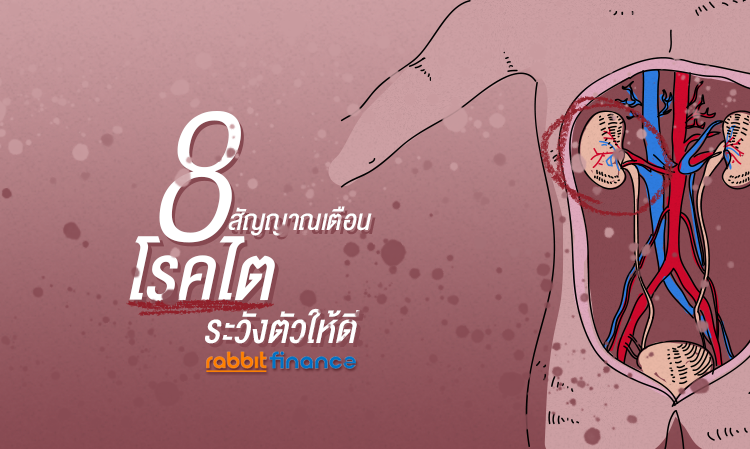
8 Warning Signs of Kidney Disease: Be Aware
In 2017, it was estimated that Thailand had over 8 million patients with chronic kidney disease, of which about 100,000 were in the final stages and required kidney replacement therapy through dialysis.
Kidney disease is becoming increasingly common among Thais, with the number of patients rising steadily. The cause of this disease often stems from consuming excessively salty foods, which disrupts the balance of salt and water in the body and ultimately increases the risk of developing kidney disease.
Today, Rabbit Finance will discuss 8 dangerous signs that your body may be indicating you have kidney disease. Let’s take a look at what to watch out for.
8 Warning Signs of Kidney Disease: Be Aware

1. Swelling
Patients with kidney disease often experience edema in various parts of the body, such as the face, eyes, torso, and feet. This is commonly seen in individuals with heart disease, liver disease, or kidney disease, and the swelling tends to be more pronounced after waking up or after standing for long periods. When pressing on the swollen area with a finger, it will leave a dent and not bounce back, which could be an early sign of kidney disease.

2. Headaches in sync with heartbeat
This symptom is more common in younger individuals, where headaches may be caused by high blood pressure, resulting in a throbbing pain that coincides with the heartbeat, often felt in the back of the head or temples. This type of headache can occur frequently and worsen over time, and pain relief medications may not help. It is a significant symptom of chronic kidney disease.

3. Abnormal urine characteristics
If you have issues with urination, such as difficulty urinating or needing to urinate more frequently at night, it may be a sign that your kidneys are having problems.
Another thing to observe is the color of your urine. If you have kidney issues, your urine may change from its normal color to red or cloudy. Additionally, it may have an unusual odor and bubbles that last longer than usual.

4. Pain in one side of the lower back
Since the kidneys are located at the back of the lower abdomen, if you frequently feel pain in this area, it may be due to kidney stones.
This can cause pain in the lower back or ribs, and if the pain worsens, it may radiate to the lower abdomen, thighs, and genital area.

5. Pale complexion
If you notice that you feel fatigued, easily tired, and your complexion appears pale like someone with anemia, it may be due to declining kidney function, and you may be at an increased risk of kidney disease.

6. Loss of appetite and frequent vomiting
The kidneys are responsible for eliminating waste from the body. When they start to function inefficiently, waste accumulates in the body, leading to loss of appetite and feelings of nausea and vomiting.

7. Pre-existing hypertension or diabetes
Hypertension and diabetes are significant risk factors that can increase your likelihood of developing kidney disease.
These conditions often stem from imbalanced eating habits, such as consuming too much sugar and salt while neglecting fruits and vegetables, or not exercising adequately, leading to obesity, high blood sugar, and high blood pressure, ultimately resulting in kidney disease.

8. Family history of kidney disease
Many health issues can be inherited genetically. However, with kidney disease, even if your family has a history of it, the chances of it being passed down to you are quite low. Most often, the causes of this disease arise from poor eating habits.
Once kidney disease develops, treatment can be challenging and costly. However, you can reduce your risk factors and avoid kidney disease by controlling your diet and exercising regularly, which will help lower your risk.
Thank you for the information from finance.rabbit.co.th