Venous Thrombosis: A Hidden Danger in Your Body
The human body operates through various organ systems working together, such as the digestive system, respiratory system, reproductive system, and the circulatory system. Each system is interconnected and essential for our overall health. If one system is damaged, it can affect the functioning of other organ systems as well.
Today, we will discuss an important organ in the circulatory system: the “vein.”

What is the Function of Veins?
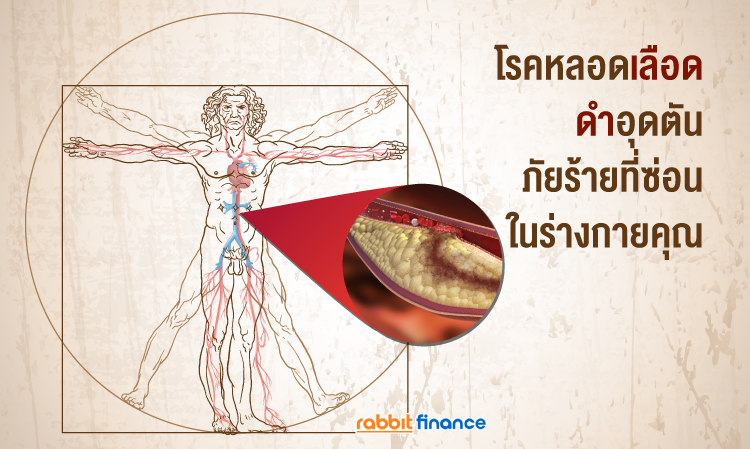
Veins are small tube-like organs that transport deoxygenated blood back to the heart for reoxygenation in the lungs. They are distributed throughout the body and are just as important as arteries.Veins function effectively only when there are no blockages hindering blood flow. If a blockage occurs, it will definitely impact the body.
What is Venous Thrombosis?
Venous Thromboembolism, or venous thrombosis, is a condition where a blood clot obstructs blood flow in the veins, which can occur in any area of the body.
Most commonly, it occurs in the legs, causing pain, swelling, and redness from the calf to the thigh in affected individuals.
Another danger of blood clots is that they can travel to other parts of the body, such as the lungs. If a clot lodges in the lungs, it can lead to a pulmonary embolism, causing symptoms like difficulty breathing, chest pain, or coughing up blood.
About 30% of patients may die quickly from this condition, so if symptoms arise, it is crucial to see a doctor for prompt treatment.

Risk Factors for Venous Thrombosis
Some people may not realize that their daily behaviors can be risk factors for venous thrombosis. Let's look at who might be at risk:
1. Cancer patients
2. Patients undergoing chemotherapy (more prone to blood clotting)
3. Those who sit in the same position for long periods without changing (risk of office syndrome)
4. Smokers and those who frequently consume alcohol
5. Pregnant women or those taking birth control pills
6. Patients who have recently undergone surgery
Treatment for Venous Thrombosis
Treatment for this condition typically involves anticoagulant medications. Initially, injectable medications are used for immediate effect, and later, when the patient's condition improves, they switch to oral anticoagulants.
New oral anticoagulants known as NOACs are fast-acting. The duration of treatment depends on the cause and location of the vein blockage.

What Patients with Venous Thrombosis Should Avoid
Patients with venous thrombosis should avoid sports or activities that may cause impact or injury, as well as situations that could lead to accidents, such as falling.
Importantly, do not self-medicate, as some medications can affect the levels of anticoagulants, leading to abnormal bleeding. If unusual bleeding occurs, seek medical attention immediately.
Preventing Venous Thrombosis
To prevent venous thrombosis in patients who need to stay in the hospital for extended periods and do not move much, doctors will typically prescribe preventive medications.
For healthy individuals who travel long distances or sit for extended periods, it is advisable to change positions or move around, such as standing or walking every two hours, and to drink plenty of water to avoid dehydration.
If unable to walk, it is recommended to exercise the leg muscles, such as moving the toes, massaging the leg muscles, or stretching the legs to promote better blood circulation.
“Venous Thrombosis” may not be a common condition, but when it occurs, it can have serious consequences for the body. Therefore, remember to maintain good health, avoid smoking and alcohol, and steer clear of risk factors. If you notice any unusual symptoms, seek medical attention promptly.
Thank you for the information from