Futuristic Stadium Welcomes the 2022 World Cup
In the world of modern football, each club not only has Super Star players to attract their loyal fans, but the "stadium" also serves as an iconic reminder of historical memories, achievements, spirit, as well as the business and financial strength of the club. Building each stadium requires a significant budget, including costs for materials, land acquisition or leasing, and hiring involved parties. This presents a key challenge and a turning point to consider: can we build a football stadium with a reduced budget that allows for quick construction and easier site adjustments?
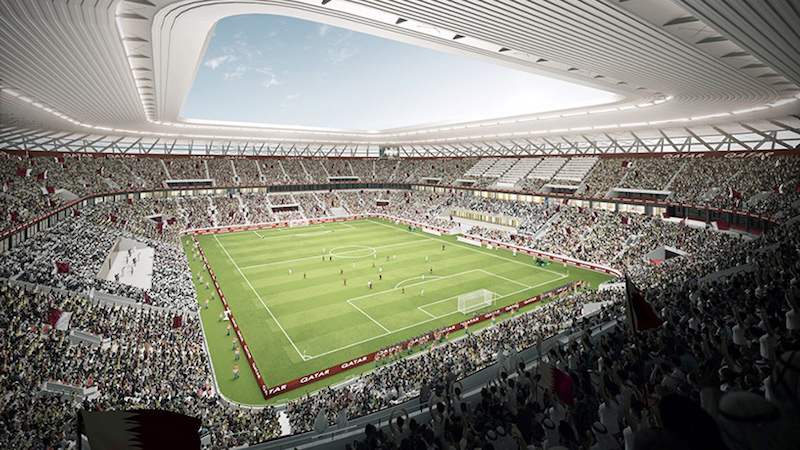
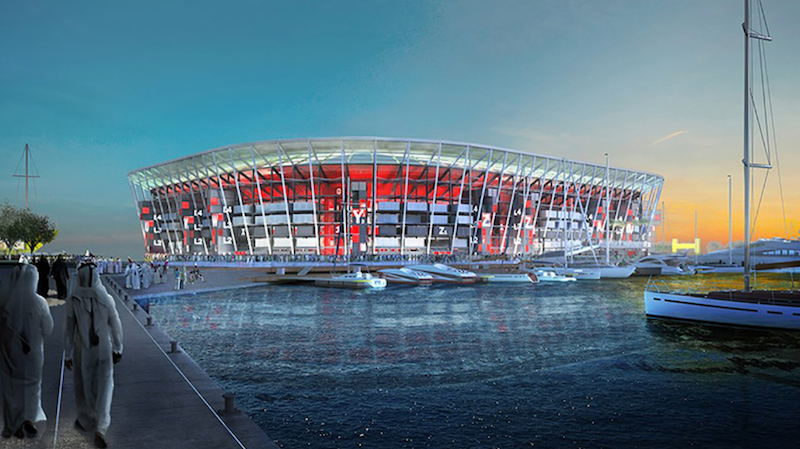
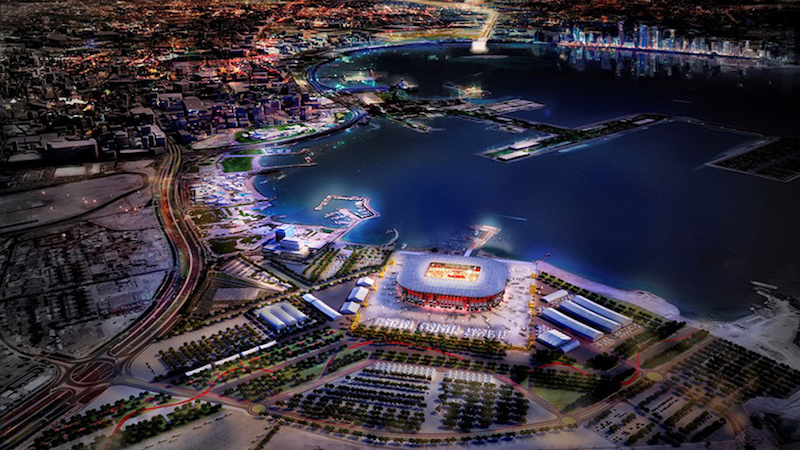
To prepare for the 2022 World Cup in Qatar, a groundbreaking idea has emerged that could transform the history of architectural design in football. The project involves the creation of the Ras Abu Aboud Stadium, designed by architect Fenwick Iribarren, which can accommodate around 40,000 seats and is located along the waterfront in Doha, a city in the Middle East. The concept showcases technological advancements, such as reducing material usage to minimize waste and lower carbon dioxide emissions.
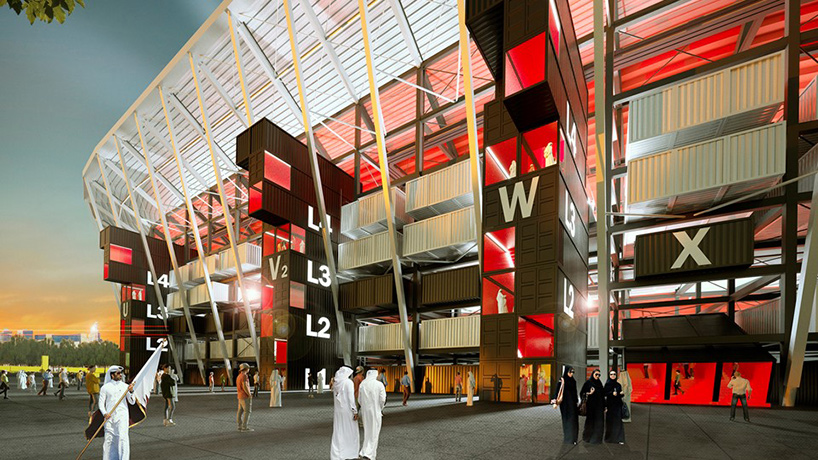
The overall structure consists of steel columns, beams, and shipping containers. The stadium's highlight is its quick installation and the ability to dismantle the structure for relocation, requiring only a wide area or open grass field. Additionally, the logistics for transporting materials for the structure are not a major concern, as water transport via cargo ships is primarily utilized, enhancing convenience and speed in moving materials and significantly reducing construction time.
Note: Some images accompanying the article may not be related to the content.
Thanks for the information and images from: www.designboom.com and www.buildernews.in.th