The Risks of Illness from Insufficient Sleep
Did you know that getting too little sleep or not meeting your body's sleep needs can have numerous long-term negative effects? This includes fatigue and an increased risk of various diseases that may arise in the future due to a lack of sleep discipline. Let's check what diseases may be more likely to occur due to insufficient rest in the future.
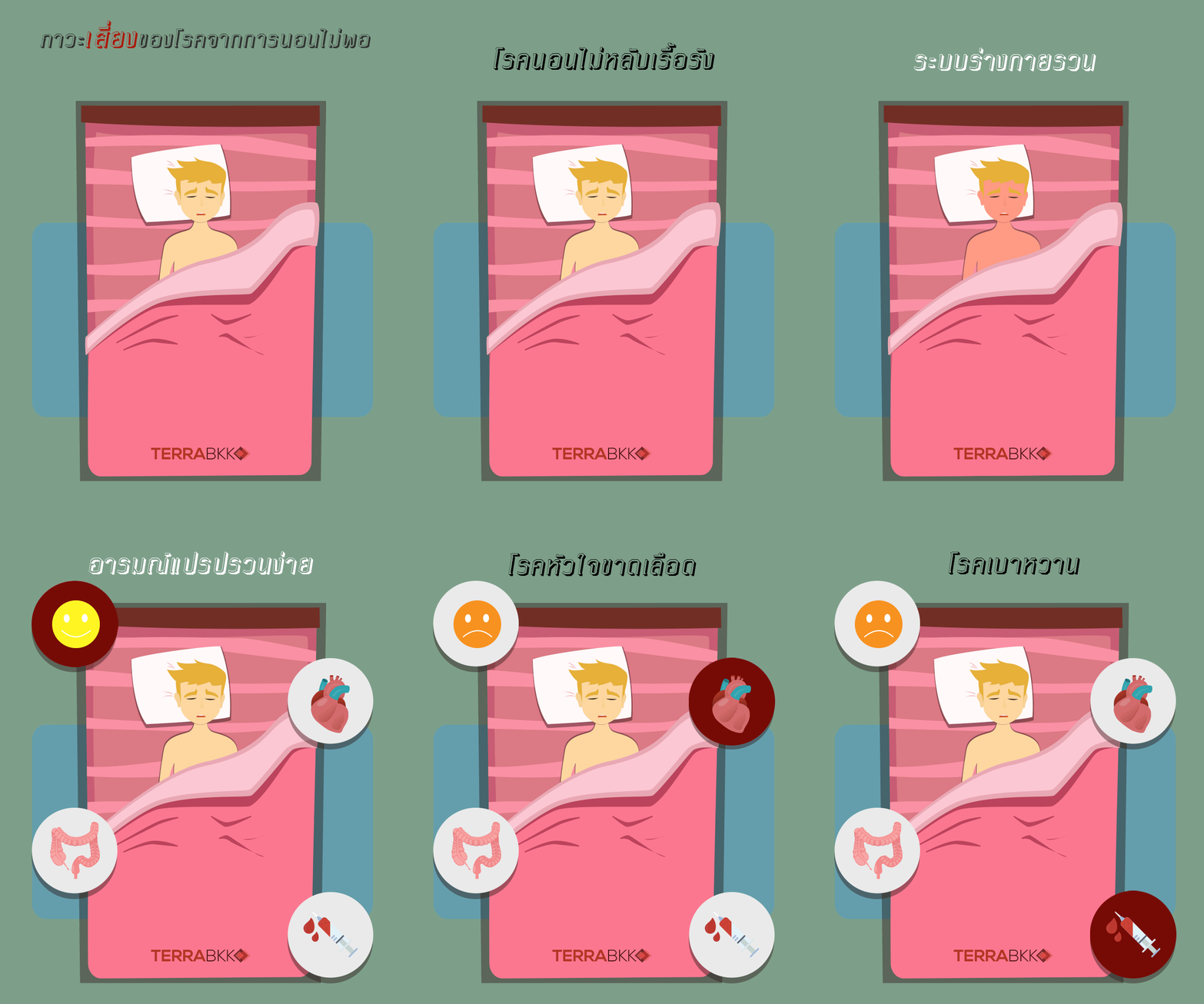
1. Chronic Insomnia
When the body becomes accustomed to sleeping less, it leads to difficulty falling asleep, restless sleep, and taking more than 30 minutes to fall asleep. The body absorbs more water than usual, resulting in frequent bathroom trips and interrupted sleep.
2. Disrupted Body Systems
Symptoms may include constipation, irregular bowel movements, and frequent hunger, leading to overeating. This can disrupt meal times, cause weight gain, or sometimes lead to loss of appetite, resulting in weight loss and a weakened immune system, increasing the risk of allergies.
3. Mood Swings
Insufficient sleep can lead to poor decision-making, irritability, fatigue, and unrecognized accumulated stress. The mind may feel cloudy and unfocused, leading to impatience and impulsiveness.
4. Ischemic Heart Disease
The harder we work and the less we rest, the more our hearts need blood to support other bodily functions. This increases the risk of ischemic heart disease, fainting, dizziness, or shock, especially in individuals aged 35 and older.
5. Colorectal Cancer
The primary cause of colorectal cancer is staying up late and getting less than 8 hours of sleep per day, irregular and unhealthy eating habits, a preference for fast food, and lack of exercise. This leads to bodily deterioration and inflammation of the intestines, which can result in colorectal cancer.
6. Diabetes
Staying up late can cause a rapid increase in blood glucose and insulin levels. Additionally, insufficient sleep can lead to insulin resistance in the body.
It is clear that if the body does not receive adequate rest and is overworked, it will have long-term negative effects on health. To maintain a balanced and healthy life, it is essential to eat nutritious meals on time, get at least 8 hours of sleep daily, exercise regularly, and allow the body to recover properly. This also helps reduce the deterioration of external skin health. Furthermore, one should not overwork beyond their physical capacity; if feeling fatigued, it is important to take breaks in other ways to relax and relieve stress.
Source: Rajavithi Hospital
Compiled by: Terrabkk.com Team