17 Trails Following the Footsteps of King Rama IX (Northern Region) (Part 1)
As the rainy season transitions into winter, this year marks a period of mourning for the Thai people. Today, TerraBKK presents 17 tourist destinations in the northern region that follow the footsteps of King Rama IX, which every Thai should see, learn about, and experience firsthand.
1. Doi Tung Development Project (Royal Work Area) under the Royal Initiative, Chiang Rai Province
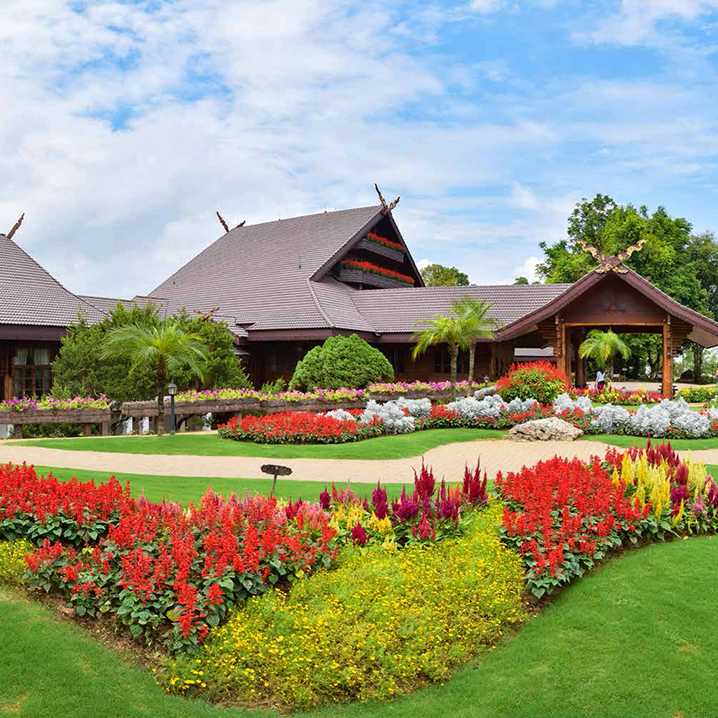
Inspired by the royal initiative of the late Queen Mother and King Rama IX, who aimed to solve the opium cultivation problem among hill tribes and improve the quality of life for the villagers on Doi Tung, enabling them to be self-sufficient sustainably, this project was established in 1988. It covers areas in Mae Chan, Mae Fah Luang, and Mae Sai, involving over 11,000 people from various ethnic groups including Akha, Lahu, Chinese Kuomintang, Shan, Tai Lue, and Tai Lawa.
Today, the Doi Tung Development Project (Royal Work Area) under the Royal Initiative, Mae Fah Luang Foundation under Royal Patronage, has become a learning center showcasing the beauty of both the landscape and culture that has been preserved, turning it into a tourist destination where people come to breathe fresh air, admire diverse flora, and enjoy the serene and pleasant scenery.


Sample Trip Itinerary in Chiang Rai 3 Days 2 Nights
Day 1 Morning: Visit the Mae Fah Luang Cultural Park to learn about the history and lifestyle of Chiang Rai residents.
Afternoon: Visit the Art Bridge, participate in art activities with artists, and see the Black House art of Thawan Duchanee.
Day 2 Morning: Visit the Doi Tung Royal Villa and the Mae Fah Luang Garden, the Hall of Inspiration.
Afternoon: Visit the Doi Tung Product Center to buy Doi Tung products and see the weaving and ceramic factories.
Day 3 Morning: Visit the Opium Museum, Golden Triangle Park in Chiang Saen / Umong Khumuk, the most comprehensive opium history tunnel.
Afternoon: Visit the Mae Sai Market to shop for products from Thailand and Myanmar.

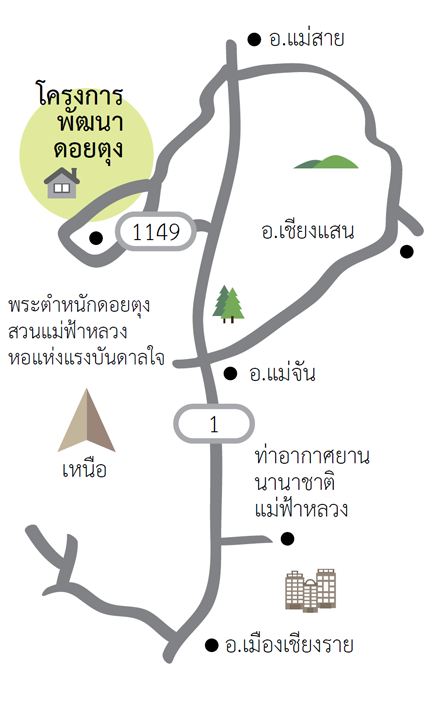
Travel Directions
From Chiang Rai city, take Highway No. 1 for about 45 km, then turn left onto Highway No. 1149 and continue for about 15 km.
Admission Fees
Children under 120 cm: Free / Thai and foreign visitors: 150 Baht
Open for visits: Daily from 07:00 AM to 05:00 PM
2. Phatthang Royal Project Development Center, Chiang Rai

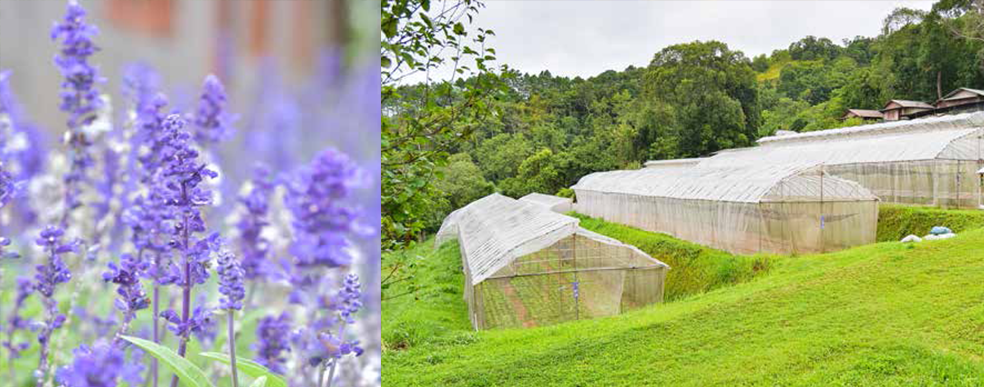
Previously a sub-unit of the Huai Lang Royal Project Development Center, it later received a petition for development from the villagers of Phatthang, Rom Fa, Phahom, and Sila Daeng. Mom Chao Phisadej Ratchanee, the patron of the Royal Project Foundation, established the Phatthang Royal Project Development Center on April 9, 2007, to promote and develop occupations for the villagers.
This center has been developed to test and demonstrate methods for growing cold-weather vegetables and raising animals such as rabbits, goats, black-boned chickens, and pigs to sustain the community, which includes over 600 households from various ethnic groups including Chinese, Hmong, Yao, Muser, Akha, Tai Lue, and local people.
Sample Trip 3 Days 2 Nights
Day 1 Morning: Take a long-tail boat to enjoy the view of the Kaeng Pha Dai, where the Mekong River flows from Thailand to Laos.
Afternoon: Visit Phabong, the love gate of the mountains, and enjoy the sunset at viewpoint 102 on Doi Phatthang.
Day 2 Morning: Watch the sunrise amidst the sea of mist at Phu Chi Dao / Phatthang Royal Project, and see the cold-weather vegetable plots.
Afternoon: Cycle around Chiang Khong / see traditional Tai Lue weaving at the Lue Lai Kham Museum.
Day 3 Morning: Offer alms at dawn by the Mekong River in Chiang Khong / visit Lanjia Lodge, experience community activities, and watch performances.

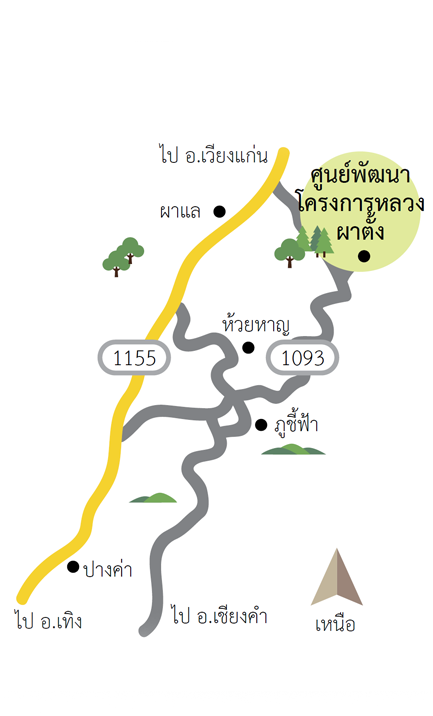
Travel Directions
From Chiang Rai, take the Chiang Rai - Wiang Chai - Phaya Mengrai - Ban Tao route (Highways No. 1233, 1733, and 1152) for about 50 km, then to Ban Tao, Ban Tha Jaew, Wiang Kaen - Pang Hat (Highway No. 1155) for about 17 km, and continue to Ban Pang Hat - Doi Phatthang for another 15 km.
Open for Visits: Daily from 08:00 AM to 04:00 PM.
3. Oil Tea and Oilseed Research and Development Center, Chiang Rai
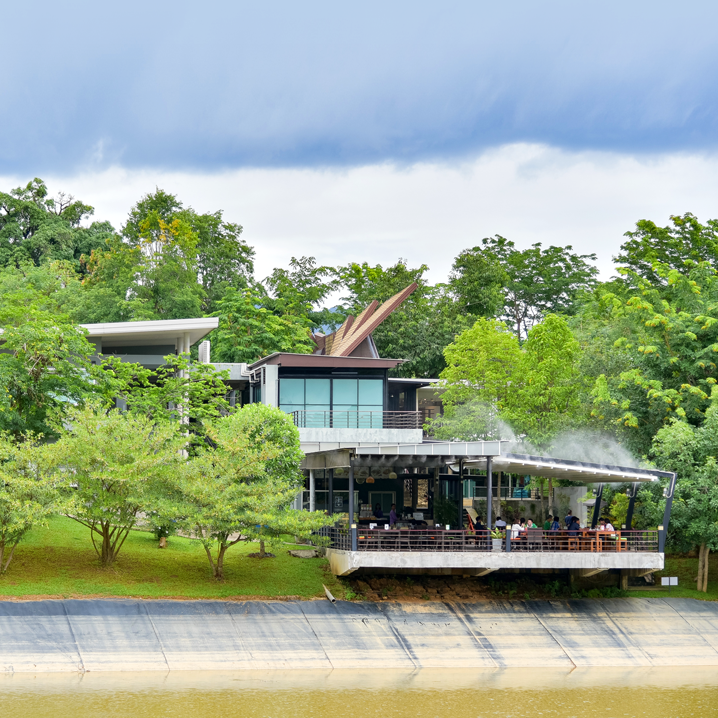
"From the tea seed that resembles a chestnut given by Her Royal Highness Princess Maha Chakri Sirindhorn to the Chaipattana Foundation for research on how to cultivate it in Thailand, the Oil Tea Research and Development Center was established in 2011 to continue the royal initiative."
Oil tea is known as the olive oil of the East. In Thailand, the Camellia oleifera variety is cultivated, which comes from China and has been researched until it can be fully cultivated in Mae Sai, Chiang Rai.
Currently, this center is another destination for health-conscious tourists as it is a factory producing oil from tea seeds and other oilseeds set amidst over 150 rai of nature.
A must-visit highlight is the "Tea Seed" restaurant, named by Her Royal Highness Princess Sirindhorn, offering modern Northern cuisine using tea oil as the main ingredient, featuring two royal dishes: bacon croquettes made with mashed potatoes and minced bacon, and tomato soup.
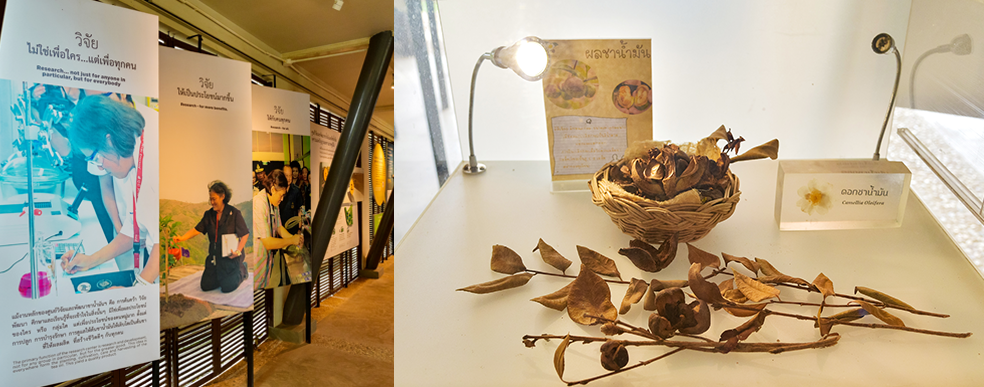
Travel Directions
Take Highway No. 1 Phahonyothin heading to Mae Sai. When you reach the Mae Sai Public Cemetery, you will encounter an intersection with Highway No. 1149; turn left, and the research center will be on your right.
Open for Visits: Daily from 08:00 AM to 08:00 PM.
4. Phu Phing Palace, Chiang Mai

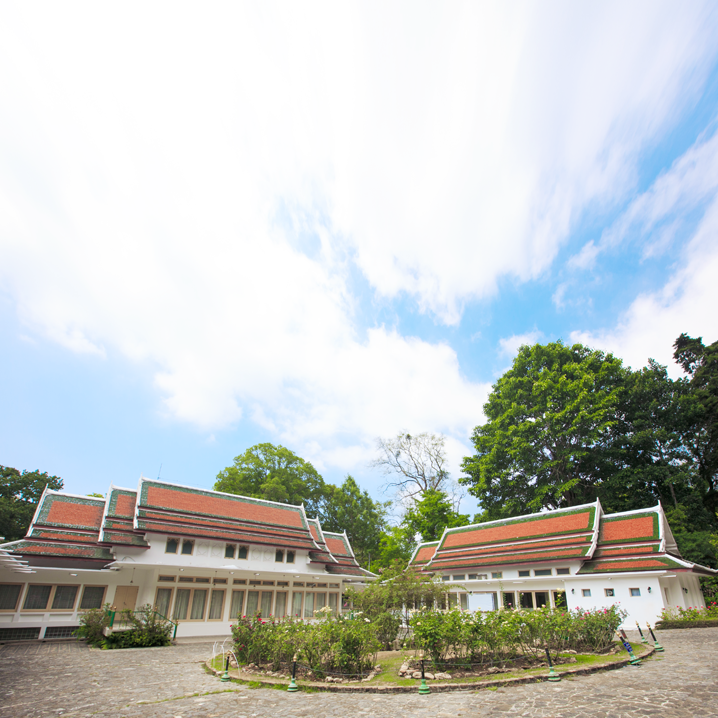
In 1961, King Rama IX graciously ordered the construction of Phu Phing Palace on Doi Bua Khak, Suthep Sub-district, to serve as a residence during royal visits to Chiang Mai and to host royal guests.
Phu Phing Palace is a place where tourists can closely view the royal residence while learning about the history of diplomatic relations between the royal guests and admire one of the most beautiful contemporary architectural works in Thailand.

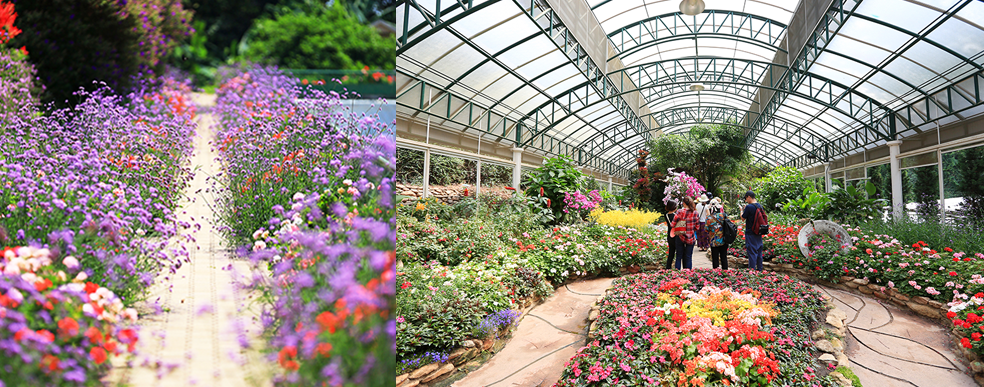
Must-See Attractions
- Phu Krasa Witthaya Palace, the residence of the late Queen Mother and Her Royal Highness Princess Galyani Vadhana.
- Siriso Phu Phing Palace or Eucalyptus Palace, the residence of Her Majesty the Queen.
- The large reservoir / divine fountain of the people, a large reservoir used to store water for use within the palace.
Must-Do Activities
Take a sightseeing electric train, service fee 300 Baht per vehicle (maximum of 3 people).

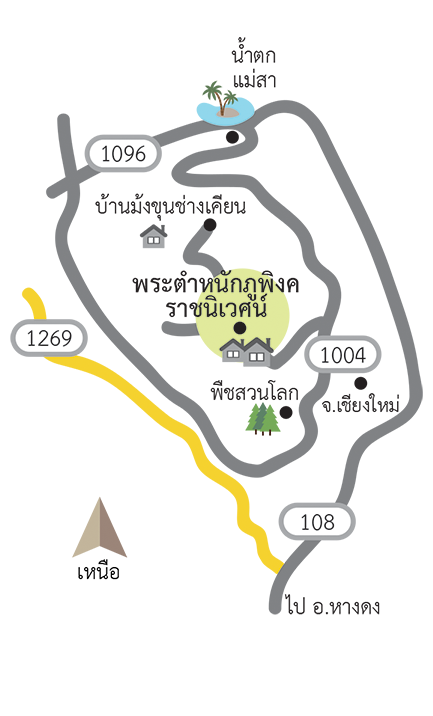
Travel Directions
Take the route to Wat Phra That Doi Suthep from the front of Chiang Mai Zoo to Phu Phing Palace, a distance of 17 km.
Open for visits: Friday to Sunday from 08:30 AM to 03:30 PM
5. Tindok Royal Project Development Center, Chiang Mai
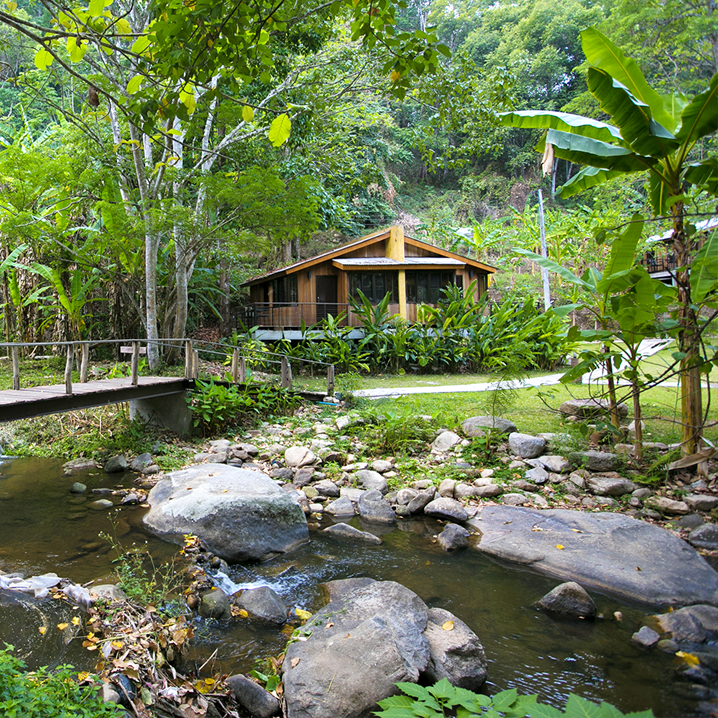
"His Majesty King Bhumibol Adulyadej graciously donated his personal funds to cover the expenses for establishing this center to enhance agricultural knowledge for the villagers."
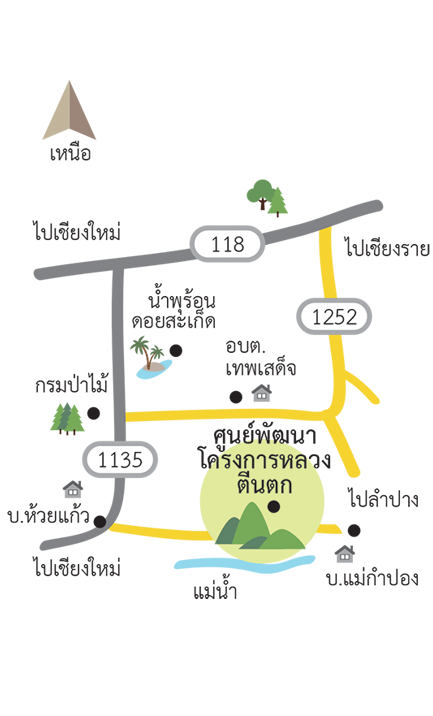
The Tindok Royal Project Development Center is a popular destination among tourists due to the lush forests in the area of Mae Ta Krai National Park, Huay Kaew Sub-district, Mae On District, characterized by steep geography that creates beautiful scenery, perfect for relaxation during holidays all year round.
This center focuses on research, cultivating shiitake mushrooms and coffee on an area of over 4 rai, preparing seedlings for farmers. Those who love rare beautiful flowers can also visit the collection of potted plants arranged for viewing at the center, such as begonias, butterfly orchids, and more, lined up in the nursery. For those wishing to stay overnight, the Tindok Royal Project also offers affordable accommodation.
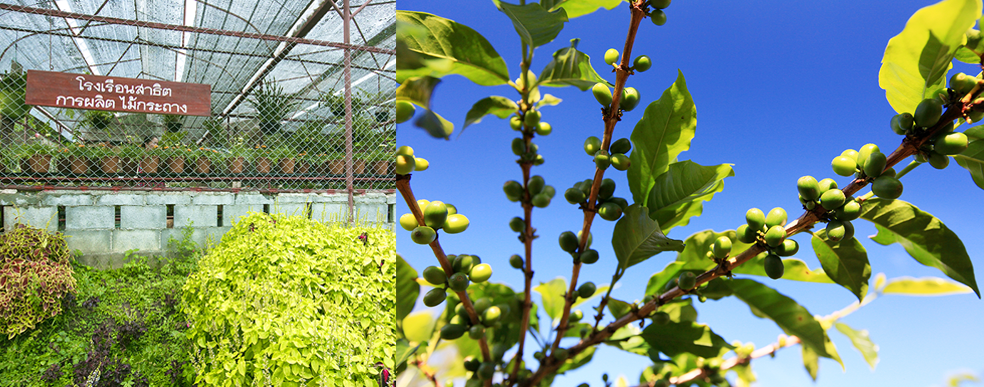
Must-See Attractions
- Wat Kanthaphuk, an ancient Lanna-style architecture and a beautiful church in the middle of the water.
- Ban Mae Kampong, a village famous for homestays, where you can closely experience the local lifestyle and traditions.
- Flight of the Gibbon, enjoy the thrilling 5 km zip line, reputed to be the longest in Asia.
Must-Do Activities
- Sip excellent espresso coffee at the project's coffee shop.
- Trek up and down the 7-tiered waterfall at Mae Kampong Waterfall.
Travel Directions
From Chiang Mai, about 55 km, take the Chiang Mai - San Kamphaeng - Mae On route, passing the San Kamphaeng Hot Springs towards Ban Mae Kampong. The Tindok Center will be on the left before reaching Ban Mae Kampong.
Open for Visits: Project customers from 07:00 AM to 08:00 PM / General customers from 10:00 AM to 04:00 PM
6. Mon Ngao Royal Project Development Center, Chiang Mai
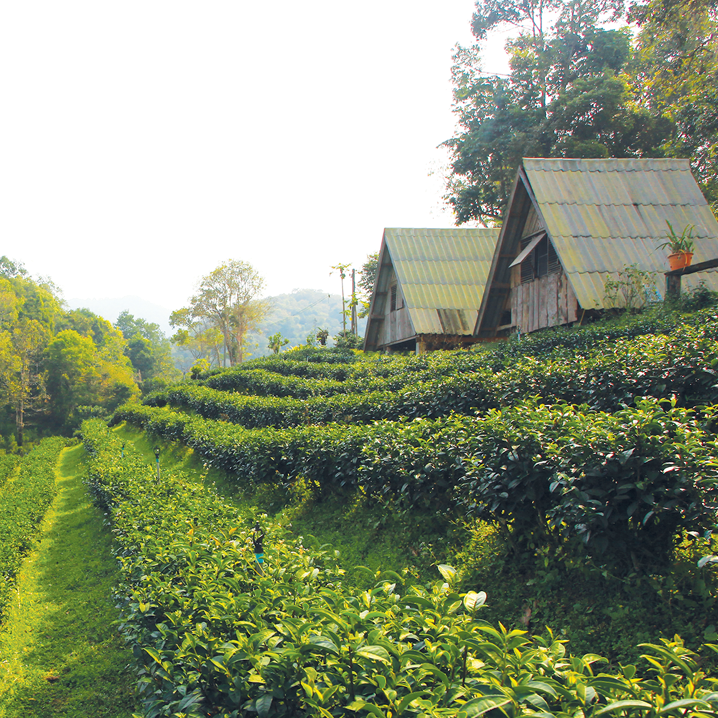
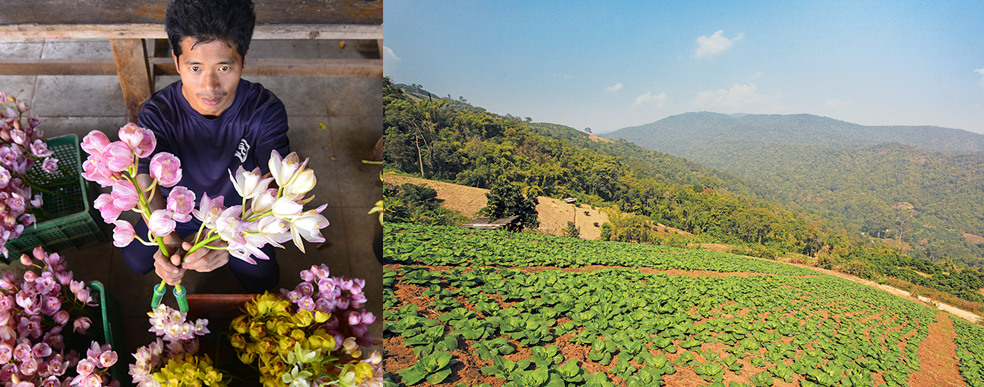
The high mountain where Mon Ngao village is located in Mae Taeng District was once home to impoverished Hmong people who often grew opium. The Royal Project began to develop and promote vegetable cultivation, focusing on solving the problems of high-altitude areas that are difficult to cultivate. The selected crops must be most suitable for the hilly terrain, such as various types of lettuce, cabbage, Japanese pumpkin, and Japanese radish. After restoration, Doi Mon Ngao has become lush green again, turning into a dream tourist destination.
Additionally, the project has prepared accommodation and a restaurant, where tourists can gain knowledge about agriculture from flower plots, vegetable crops, tea plantations, and coffee farms.
Sample Trip Itinerary for the Royal Project in Chiang Mai 2 Days 1 Night
Day 1 Morning: Visit Mon Ngao Royal Project, experience Hmong culture, see Uncle Dech's tea plantation, closed-system mushroom farm, and symbidium orchid plots, and learn traditional methods of making miang.
Afternoon: Visit Doi Luang Chiang Dao to see rare plants found only in Thailand, such as Chiang Dao cherry and Chiang Dao lion.
Day 2 Morning: Visit Huai Luk Royal Project.
Afternoon: Learn about the sufficiency economy at Dara Dale, a mud house farm / stroll through the Tha Pae walking street in Chiang Mai.
Travel Directions
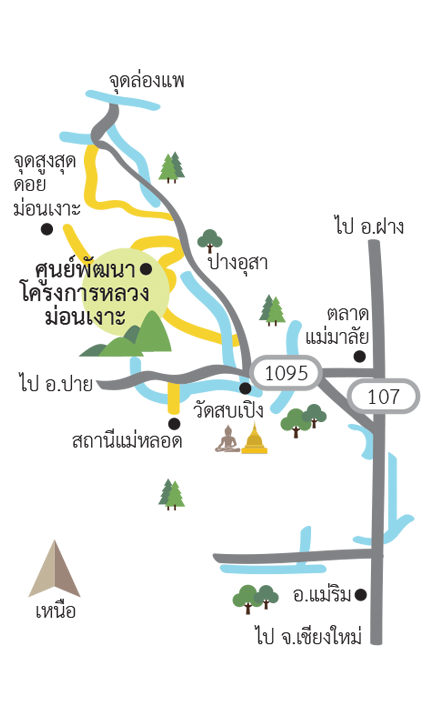
Take Highway No. 107 heading towards Mae Rim, continue for about 30 km. When you reach Mae Taeng District, turn left onto Highway No. 1095, continue straight for about 13 km, then turn right following the project signs, continue for about 7 km, then turn left to reach Mon Ngao village. The road is quite narrow, so drive carefully (if traveling during the rainy season, a four-wheel drive vehicle is recommended).
Open for Visits: Daily from 08:00 AM to 06:00 PM.
Thank you for the information and images from the Tourism Authority of Thailand (TAT).