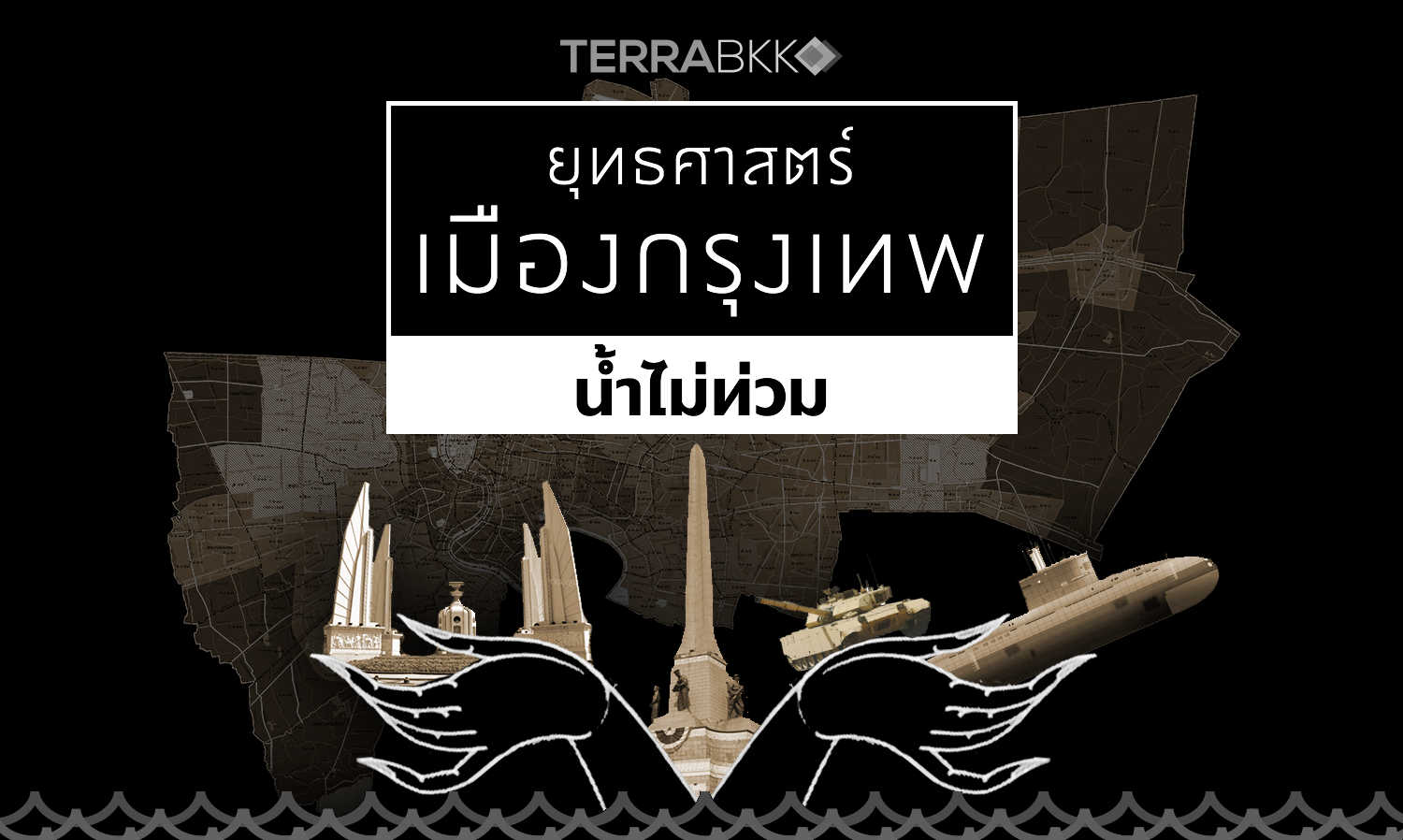
Bangkok's Urban Strategy: Preventing Flooding
The people of Bangkok are well aware of the significant changes that have occurred over the past decade in the city. The rapid urban growth and industrial expansion have attracted a large workforce from across the country. Millions have flocked to the 'City of Angels' in search of better opportunities. But amidst this economic growth and wealth, have they made the right choice?
Of course, this question challenges the agencies responsible for urban management, such as the Bangkok Metropolitan Administration, to create a city that offers choices for its population. We can understand the Bangkok Metropolitan Administration's approach to problem-solving through its strategic development plan.
The Dynamics of Urbanization
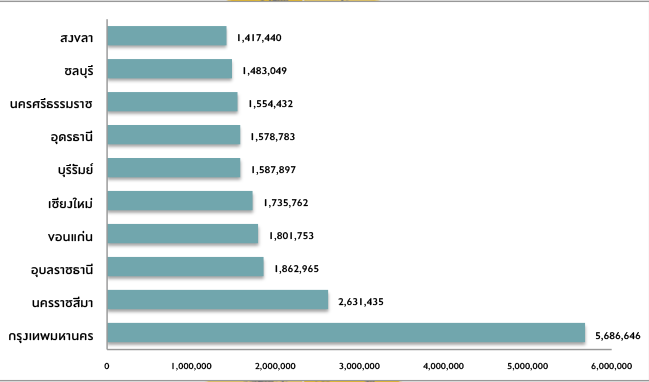
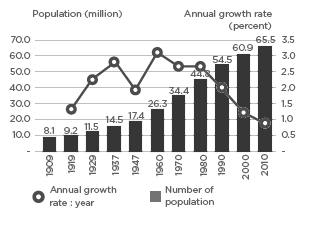
About 250 years ago, Bangkok was like a flower in full bloom. From 1958 to the present decade, the city has grown approximately 16 times, with the population increasing from 1.6 million to 5.6 million in 2016, and it is expected to reach as high as 15.32 million by 2020 due to the ongoing influx of people from other provinces.
The unplanned growth of the city has led to unsustainability, which is why preparing a strategic urban development plan should be done at least 5-10 years in advance, covering public service provision, adequate infrastructure, land use regulations, and land tenure reform. There are also challenges in other areas such as safety, health, poverty, and the quality of life for residents.
One of the major challenges is that Bangkok is located in a low-lying area, with some parts below sea level. Originally, the potential of the Bangkok area was suitable for agriculture and served as a floodplain for the Chao Phraya River. However, replacing these flood retention areas with housing and urban development has significantly influenced land use regulations and urban development control.
World's Most Congested City
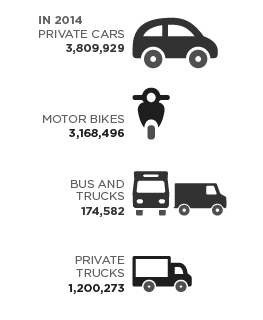
As is well known, Bangkok has been crowned the world's most congested city in the past year (previously ranking second after Mexico City), a title no city desires. Several factors contribute to this, primarily the insufficient and inadequate public transportation system, leading to an increase in private vehicle ownership. The proportion of private vehicle use in Bangkok is as high as 53% and is expected to rise to 59% by 2038, approximately 20 years from now. According to vehicle registration data from 2015, there were about 8,651,172 registered vehicles in Bangkok, including 317,870 private cars (averaging 870 new registrations per day) and 405,649 motorcycles (averaging 1,111 new registrations per day).
Although the rail mass transit systems like BTS and MRT provide more travel options for the population, they primarily cater to the middle-income group due to rising fare prices while incomes remain stagnant. As a result, many groups continue to rely on buses and private vehicles, leading to increased pollution and health issues, adding another layer of problems for Bangkok to manage.
Waste and Sewage
Despite local administrative agencies like the municipality campaigning for serious waste management since 2005, the amount of waste in the city and light industrial sectors has grown alarmingly from 7,000 tons per day in 1993 to 8,800 tons per day in 2015, with projections of reaching 11,500 tons by 2025, resulting in waste clogging or contaminating various water sources.

Flood Risk
Flooding in the central region is a natural event in the Chao Phraya River basin, with some areas of Bangkok experiencing flooding for up to 5 months each year, primarily in flood retention areas. The rapid urbanization of Bangkok has slowed the flow of water from the Chao Phraya River during the monsoon season, leading to rapid flooding when prolonged rainfall occurs. Bangkok has faced such flooding events multiple times, including in 1975, 1977, 1978, 1983, 1995, and most recently in 2011.
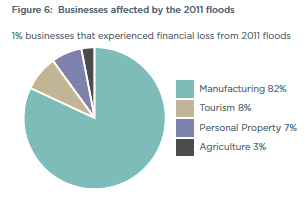
The major flood event in 2011 provided clear lessons in post-flood management, with many communities working together in preparation and prevention, allowing them to recover quickly. However, in urban areas with diverse and dynamic populations, management is not easily achieved, leading to widespread damage, particularly in the manufacturing sector, which suffered an 82% loss.
Bangkok's Strategy
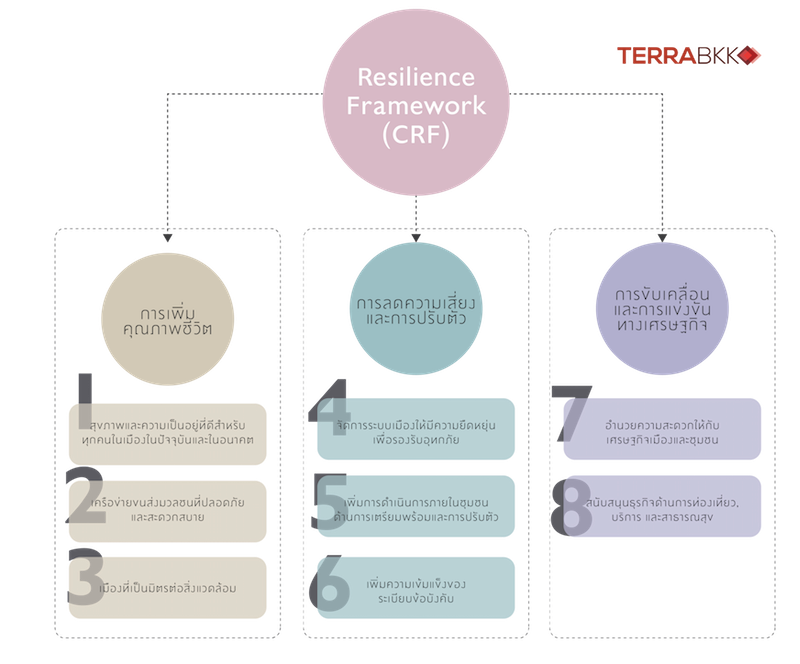
Bangkok's strategy began with a workshop and research agenda in September 2015, involving five sectors: government, private sector, civil society, academia, and the general public, with over 500 participants. Under the framework called City Resilience Framework: CRF, the aim was to identify the strengths and weaknesses of Bangkok together, focusing on diverse approaches to make Bangkok a resilient city. This includes three main strategies:
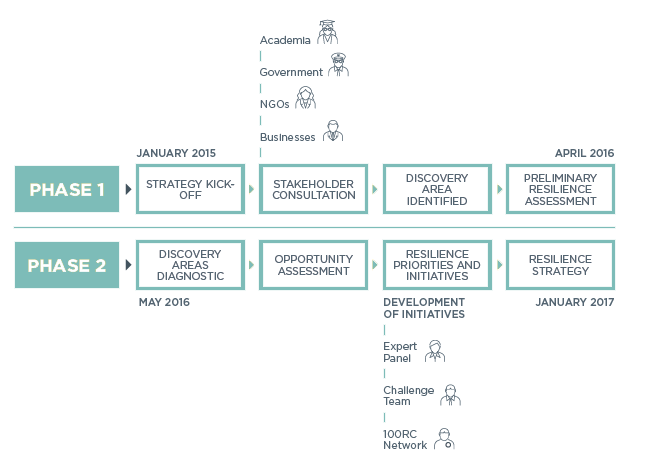
The process of managing the city of 'Bangkok' to become a true paradise is currently underway. Since 2015, a total of 57 new development projects have been initiated from a target of 18 goals. While the success may not be immediately visible in the first 1-2 years, it is certain to have some impact on the city, particularly in terms of community engagement and transparent, equitable collaboration. เทอร์ร่า บีเคเค
Reference from the academic article: RESILIENT BANGKOK - 100 RESILIENT CITIES & Bangkok
Article by: TerraBKK Investment Tips
TerraBKK: Find quality homes at affordable prices