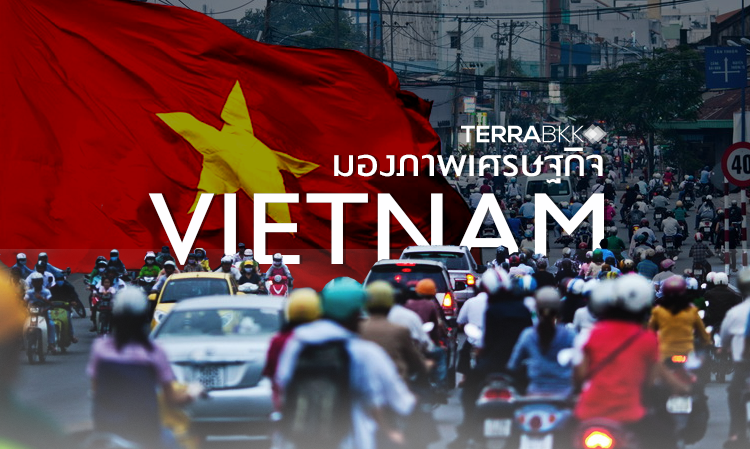
An Overview of Vietnam's Economy
Vietnam's development over the past 30 years has been quite remarkable, particularly in terms of economic and political reforms. This was especially true after the implementation of the Doi Moi (Renovation) policy in 1986 (in Vietnamese, "doi" means change and "moi" means new), which aimed to transform the country's industrial sector towards a free market while still maintaining state control. This reform allowed citizens to engage in their own business ventures, stimulating rapid economic growth and transforming Vietnam from one of the poorest countries in the world to a middle-income nation.
Strong Economic Growth in Vietnam
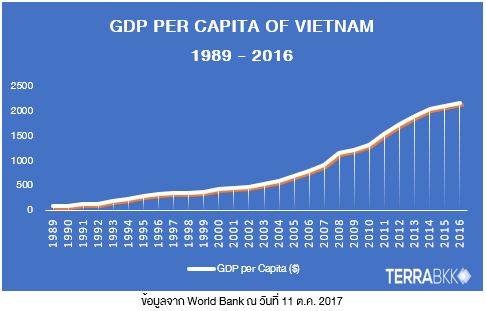
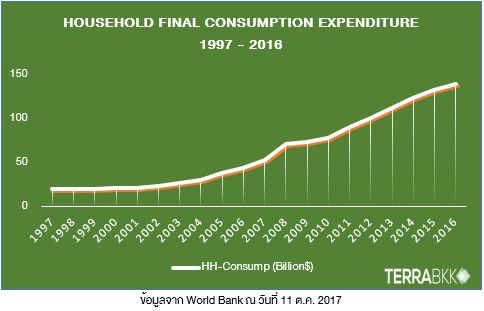
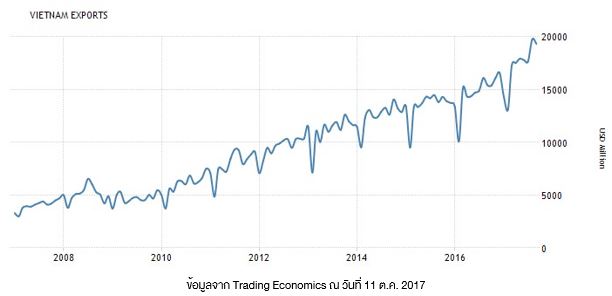
Since 1990, Vietnam's GDP per capita has averaged a growth rate of 6.4% per year. Despite global economic uncertainties since 2000, Vietnam's economy has remained relatively unaffected. The medium-term outlook for the country is still promising, as evidenced by a GDP growth of 6% in 2016. A key driving factor for the country is domestic consumption, which grew by about 6% in 2016, along with an export-oriented manufacturing sector. Approximately half of Vietnam's exports go to Asian countries, with the top three export categories being electronics, footwear, and machinery.
Significant Reduction in Poverty and Improved Quality of Life
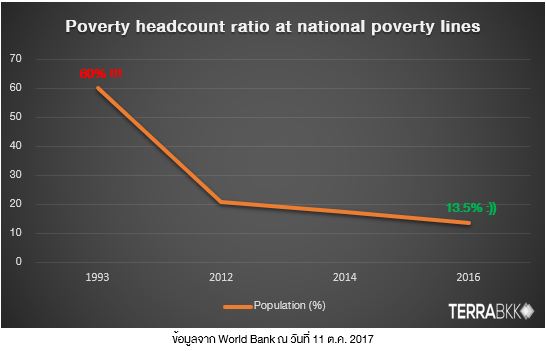
In 1993, over half of Vietnam's population lived on less than $1.90 a day. Today, the poverty rate at that level has decreased to just 3% of the total population. The number of people living below the poverty line dropped to 13.5% in 2014 from 60% in 1993, representing over 40 million people who have lifted themselves above the poverty line.
*The poverty line is a tool used to determine the minimum basic needs of individuals. If a person's income is below the poverty line, they are considered poor.
Progress in Basic Services
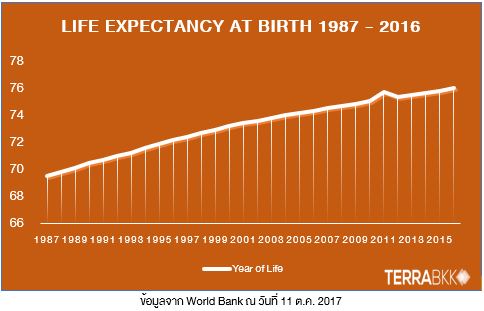
The Vietnamese population today has better education and health than it did twenty years ago, as evidenced by improved educational quality, a significant reduction in infant and child mortality rates (down to 19-24 per thousand live births in 2012), and an increase in average life expectancy to 76 years from 69 years in 1987.
Although Vietnam's current economic growth trend is positive, there are still vulnerabilities to be cautious about, such as fiscal imbalances and issues related to the quality of domestic bank assets. Increasing private sector investment and accelerating state-owned enterprise reforms are thus crucial mechanisms for addressing these challenges.
The Vietnamese government continues to demonstrate its commitment to reform through the Vietnam Socio-Economic Development Strategy (SEDS), a ten-year strategy (2011-2020) that emphasizes the need for sustainable structural reforms, social equity, and economic stability, focusing on three key areas:
1) Promoting skill development, particularly in modern industry and innovation
2) Improving market institutions
3) Developing infrastructure
Country's Competitive Advantages
Business Environment
Generally, Vietnam is considered a politically and socially stable country. It rarely faces issues of religious or ethnic conflict compared to other countries in ASEAN. Vietnam has a high GDP growth rate, attributed to the successful governance of the Communist Party of Vietnam, which has been recognized for decades.
Emerging Market
Currently, Vietnam's GDP has reached $200 billion, with exports valued at $170 billion and imports at $161 billion. The value of various key export goods has seen significant growth, making Vietnam a new market for technology products and services.
Human Resources
Vietnam is one of the most populous and densely populated countries in the world, ranking 14th globally, with an average population of approximately 92.7 million and a density of 263 people per square kilometer, which is five times the global average, indicating a high potential labor force.
Natural Resources
Vietnam is rich in natural resources, with notable resources including coal, oil, natural gas, phosphate, manganese, bauxite, chromite, and forests.