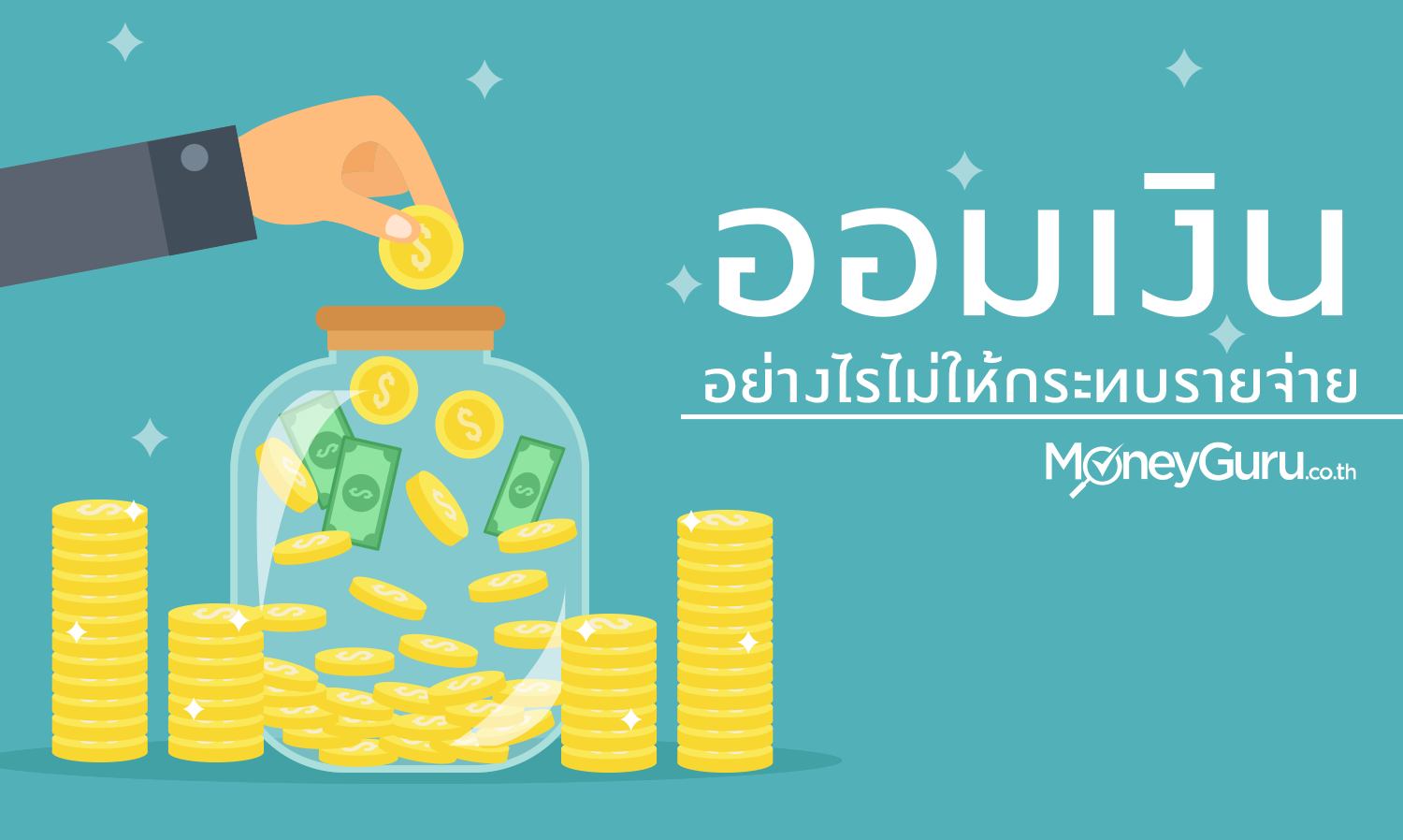
How to Save Money Without Affecting Your Expenses
Saving money is important, but if you save excessively and neglect other aspects of your life, it can be detrimental. Today, we will discuss how to save money without impacting your daily expenses. Many might wonder how savings can affect expenses when they are separate entities. The expenses in question refer to “daily living expenses”, which everyone inevitably has. So, how are they connected? Let's find out.
Our daily living expenses include costs such as food, transportation, etc. These are unavoidable expenses, but we can find ways to save. For instance, can we skip meals to save money? We can't do that, right? Our bodies need food for energy. However, what we can do is eat more economically, allowing us to save the leftover money. When it comes to saving, many people may have read various tips suggesting how much to save to accumulate wealth. But have you ever wondered why following these tips doesn’t feel right for you and instead causes stress rather than happiness? This is because our saving habits can impact our lifestyle. Not only can it make us uncomfortable, but it might also lead us to abandon saving altogether. Therefore, today we have tips on how to save money without affecting our lifestyle.
Assess Necessary Expenses Before Saving
This point may seem contrary to the tip of “Save Before Spending,” but in reality, they are quite aligned. We simply need to calculate our necessary expenses before allocating money for savings. We haven’t spent any money yet; we just need to assess our necessary expenses first because each person has different necessary expenses, which affects how much money can be saved. After that, we can allocate the remaining money accordingly, making it clearer how much we can save without impacting our necessary expenses.
Example
If your salary is 20,000 Baht, with necessary expenses such as credit card payments of 2,000 Baht, utilities of 1,500 Baht, daily living expenses of 4,000 Baht, and transportation costs of 2,000 Baht, the total necessary expenses would be 2,000 + 1,500 + 4,000 + 2,000 = 9,500 Baht.
After deducting necessary expenses, your salary would be 20,000 – 9,500 = 10,500 Baht. This amount is what you can save without affecting your necessary expenses. Now, you can choose how much to save, whether it’s saving 1 in 4 or 40% of your salary, or even saving the entire amount if you wish.
For example, from the 10,500 Baht available, you could save 8,000 Baht (which is 40% of your salary before deducting necessary expenses). The remaining 1,500 Baht can be set aside for emergencies, like medical expenses, while another 1,000 Baht can be saved for self-improvement or for socializing with friends.
Tip
When it comes to the proportion of savings from your salary, there are many tips available, but the main recommendations are:
1. Save 1 in 4 of your salary.
2. Save at least 40% of your salary.
Both of these methods are generally not too impactful on your lifestyle, except for those with significant debts, such as credit card debts. It is advisable to pay off debts as quickly as possible before focusing on savings. Just ensure you set aside some money for emergencies. If you continue to carry debt, having savings won’t be worthwhile as the interest on the debt will keep increasing.
As you can see, assessing necessary expenses before saving is not about how much you can save but rather finding a balance where you can save without affecting your necessary expenses and lifestyle.
Thank you for the information from: MoneyGuru.co.th