Will the Future Have 'Slums' Everywhere Like Bangkok?
Recently, we presented an uplifting story about the collaboration in urban development of Khon Kaen Urban Development. This leap forward in Khon Kaen prompts us to take another look at Bangkok, as its development has progressed further than other cities, leading Khon Kaen by 18 years in terms of having a rail-based public transport system. While Bangkok seems to be developing rapidly, we often wonder why we don't see as much public participation in its urban development as we do in Khon Kaen. This coincides with the concept of urban development (which could be called 'idealistic thinking') known as Inclusive City or Participatory City / City for Everyone, a concept that has been adapted into various social business models. It might sound a bit dull to say we will discuss this idealistic thinking through this article, but imagine if everyone truly understood and participated; this beautiful world might not just be a concept.
Is an Inclusive City Really Possible?
If someone asks, “Is there really a city that is suitable for everyone, like a dream?”, no scholar would confidently claim that it exists. So, first, let's understand the basic principles of what an Inclusive City is on an international level.
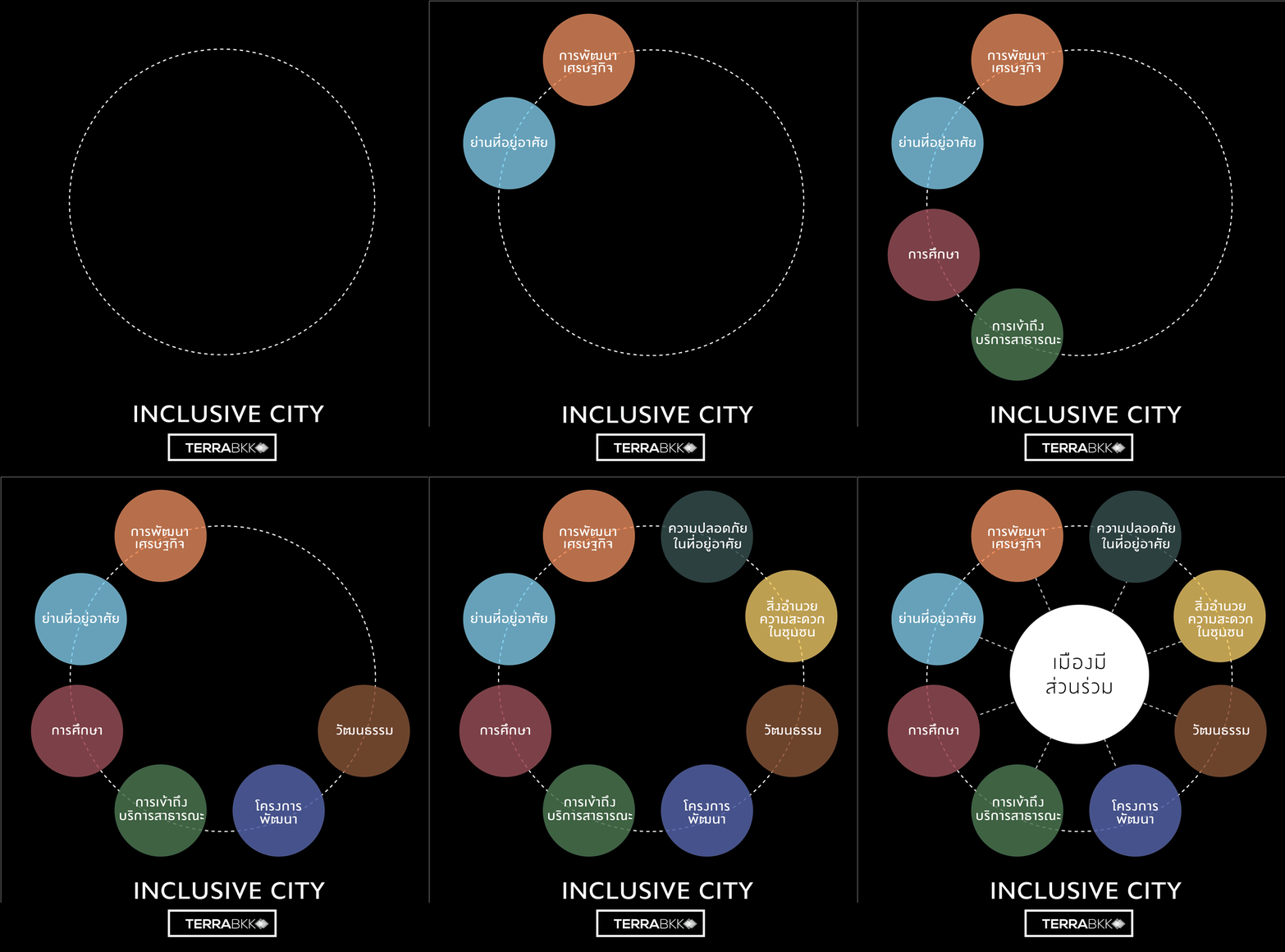
The Principles of an Inclusive City consist of eight aspects:
- Economic Development: This emphasizes the participation of the population in urban economic planning, ensuring diverse and equitable access to job opportunities across different city zones, allowing various neighborhoods to generate income without clustering solely in the city center.
- Residential Areas: This involves organizing residential locations (according to urban planning) that are safe, suitable for all income levels, and easily accessible.
- Education: This means distributing educational institutions equitably, ensuring that local schools provide quality education comparable to prestigious schools in the city center.
- Access to Public Services: This ensures that citizens do not have to endure burdensome travel to access quality public services.
- Development Projects: This involves distributing development projects from both public and private sectors in suitable locations.
- Culture: This means preserving traditional living cultures, such as maintaining pedestrian-friendly areas and keeping markets vibrant.
- Community Amenities: This includes providing recreational spaces or parks that are appropriate for the population size in each area.
- Safety in Housing: This aims to reduce urban population density to minimize the chances of overcrowded and deteriorating communities.
Now, let's ask ourselves which neighborhoods in Bangkok meet all eight criteria. Interestingly, despite Bangkok being the most developed city with a 100% urbanization rate, it still faces urban issues at the same rate.
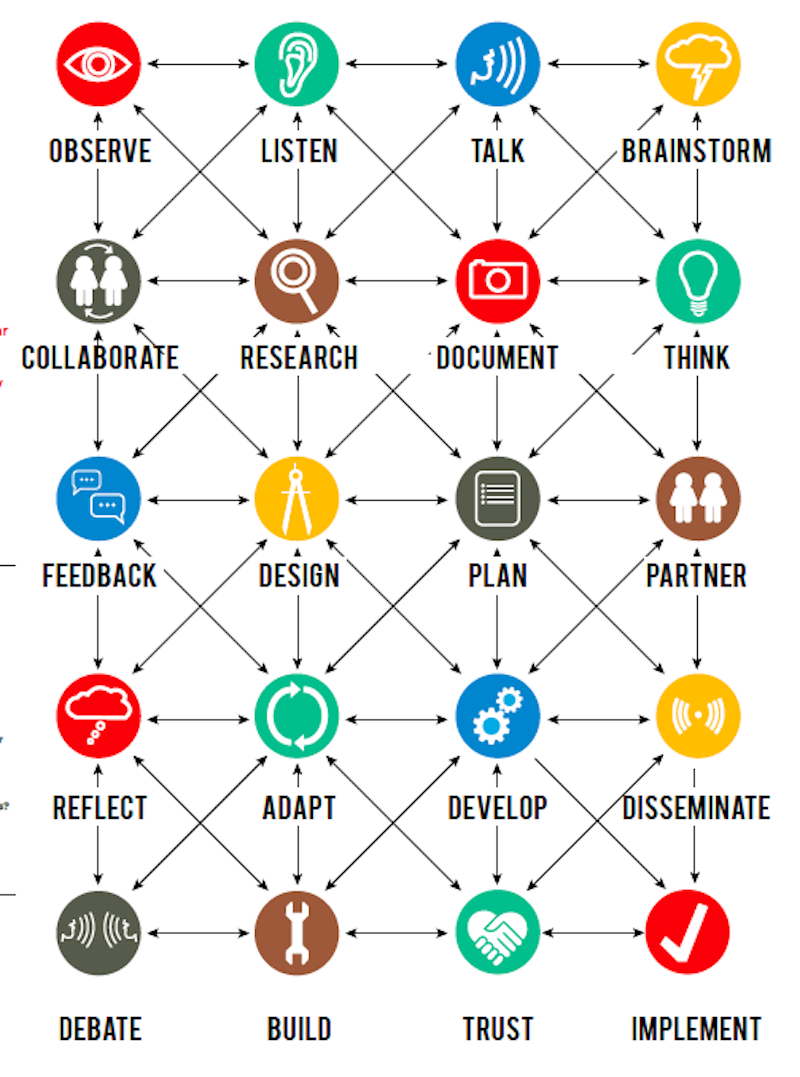
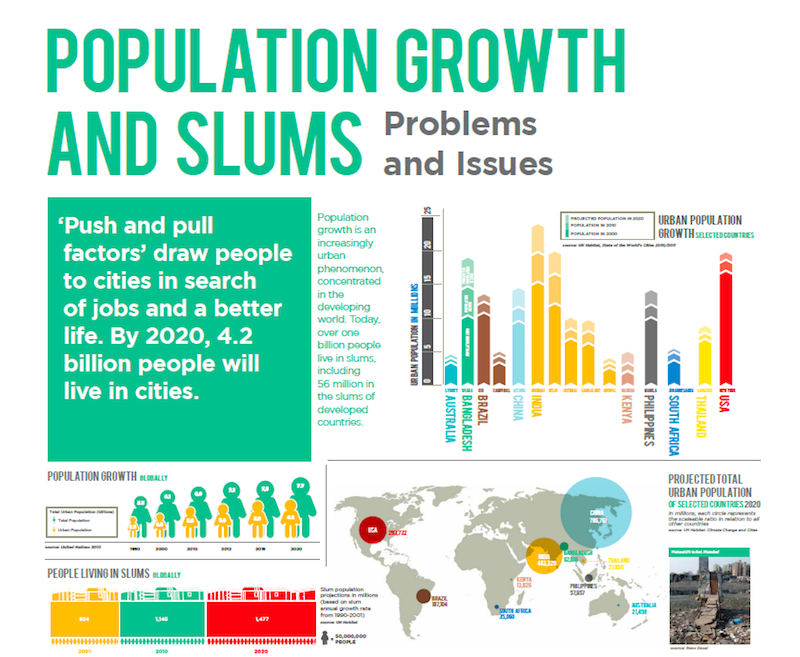
In reality, the urban problems of major cities in developing countries are quite universal, with almost every city in the world facing issues of varying severity. To prove that the concept of an Inclusive City can indeed materialize in large cities, workshops have been conducted by the Global Studio and Center for Sustainable Urban Development at Columbia University (what a long name!), or simply called the Global Studio Project. This initiative aims to make the concept of an Inclusive City a reality by exploring areas, interacting with local populations, identifying problems, needs, and analyzing various data layers in 11 cities across 11 countries: Australia, Bangladesh, Brazil, China, Colombia, India, Kenya, the Philippines, South America, Thailand, and the USA. Interestingly, the results showed that most people in the surveyed areas expressed their readiness to develop their own cities.
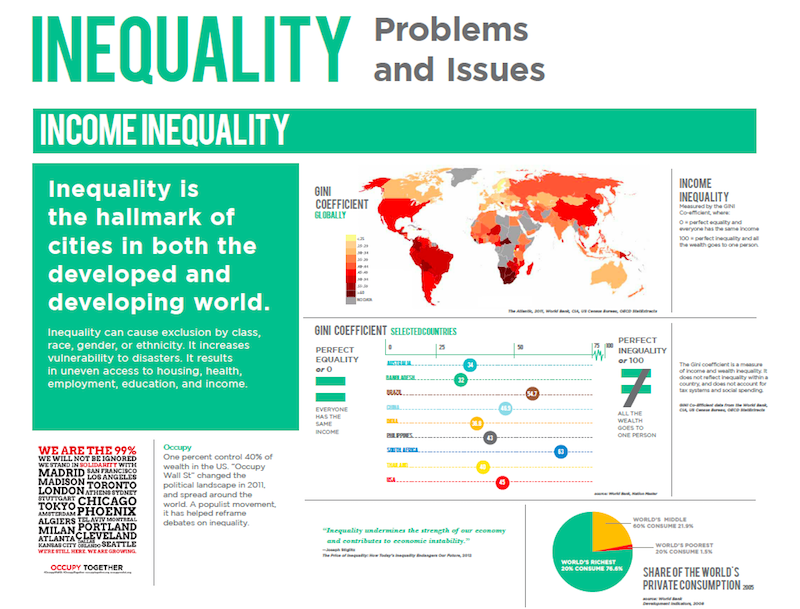
Regarding education, it is a study that provides an overview of global issues stemming from globalization, including population growth, increasing average life expectancy, and the majority of the population moving to urban areas. The hypothesis suggests that in the future, issues of inequality and slums in cities are bound to arise.
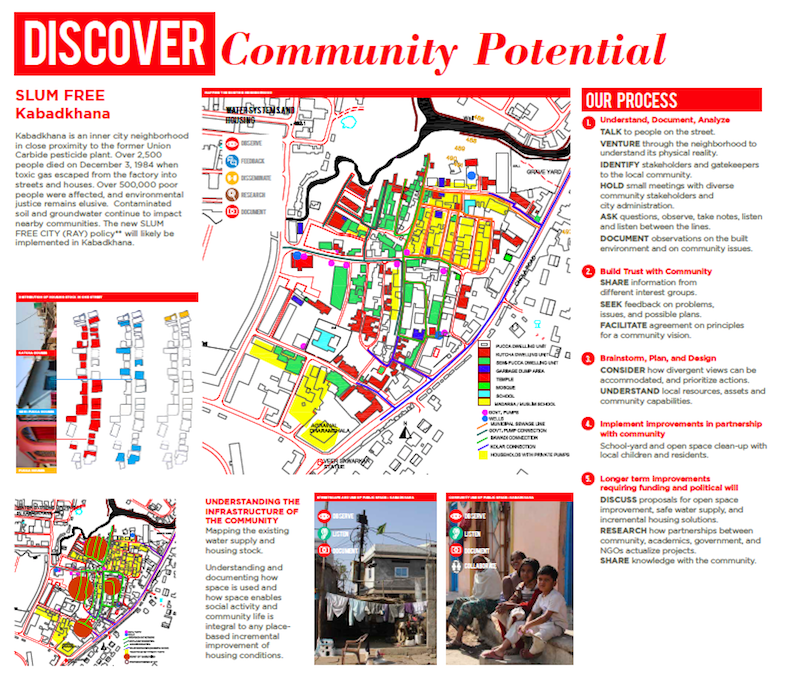
One approach to solving the slum issue is to enhance the value of congested communities rather than eliminate them. An experimental design of a congested community in Bhopal, India, called Discover Community Potential, focuses on creating neighborhoods that foster creative community groups, establish safe pathways, and ensure comprehensive oversight of community members, along with necessary infrastructure.
How Prepared Must Our Country Be for Urbanization?
As mentioned, the proportion of urban areas to rural areas will increase in the future, which is a trend seen in every country worldwide. But does anyone know what the urban proportion will be in our country?
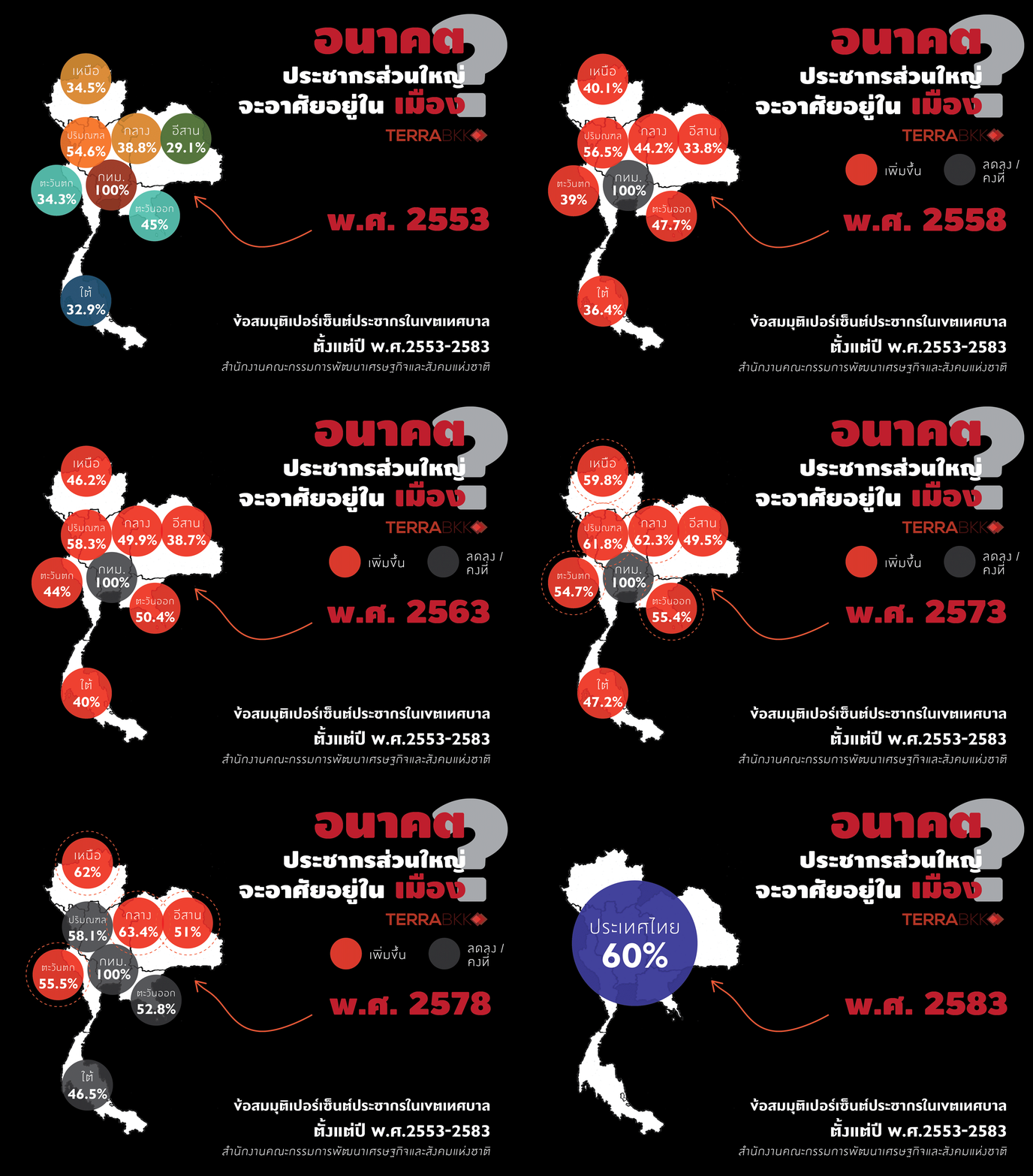
The National Economic and Social Development Board has conducted a study on population projections in Thailand from 2010 to 2040, revealing many intriguing statistical hypotheses. One of these is the population hypothesis in municipal areas from 2010 to 2040, which shows continuous growth until 2030, approximately 20 years, before changes occur thereafter. Although this may be a hypothetical data point, it hints at something interesting: during 2030-2035, the population in municipal areas of each region that has been steadily increasing may decrease. This could imply that those populations might migrate back to areas outside municipal boundaries, and the population graph in municipal areas is likely to fluctuate.
As the population becomes more concentrated in cities, if those cities are not prepared to accommodate these populations, issues of overcrowded communities will inevitably arise. These issues may be more diverse than just the overcrowded communities of marginalized individuals in cities but also include groups of newcomers who are excluded. - เทอร์ร่า บีเคเค
For those interested in the Global Studio project, you can read the full content click here
Article by: TerraBKK Knowledge Repository
TerraBKK: Find good, valuable, and affordable homes